Anthropocene Lab Collaborations
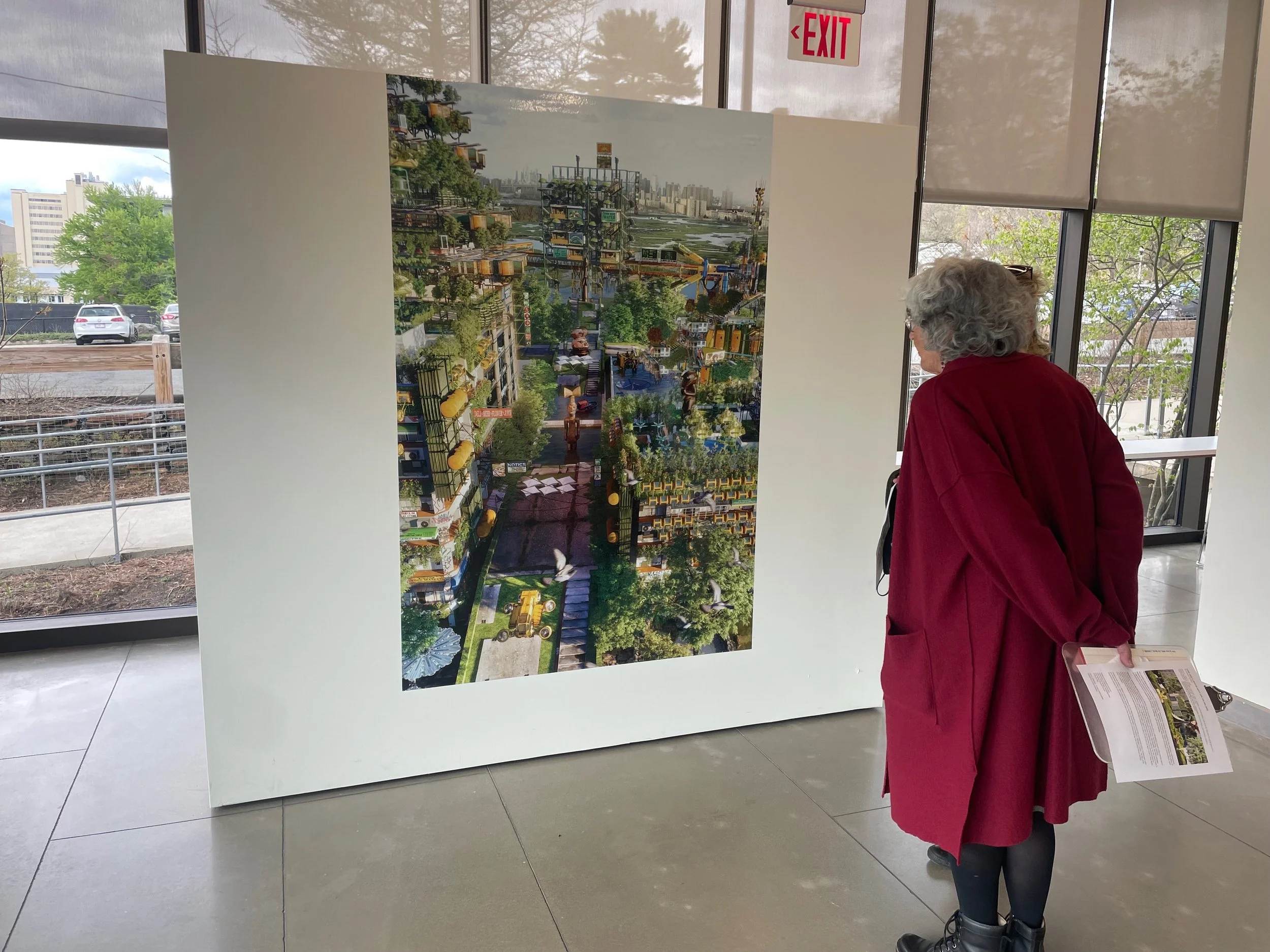
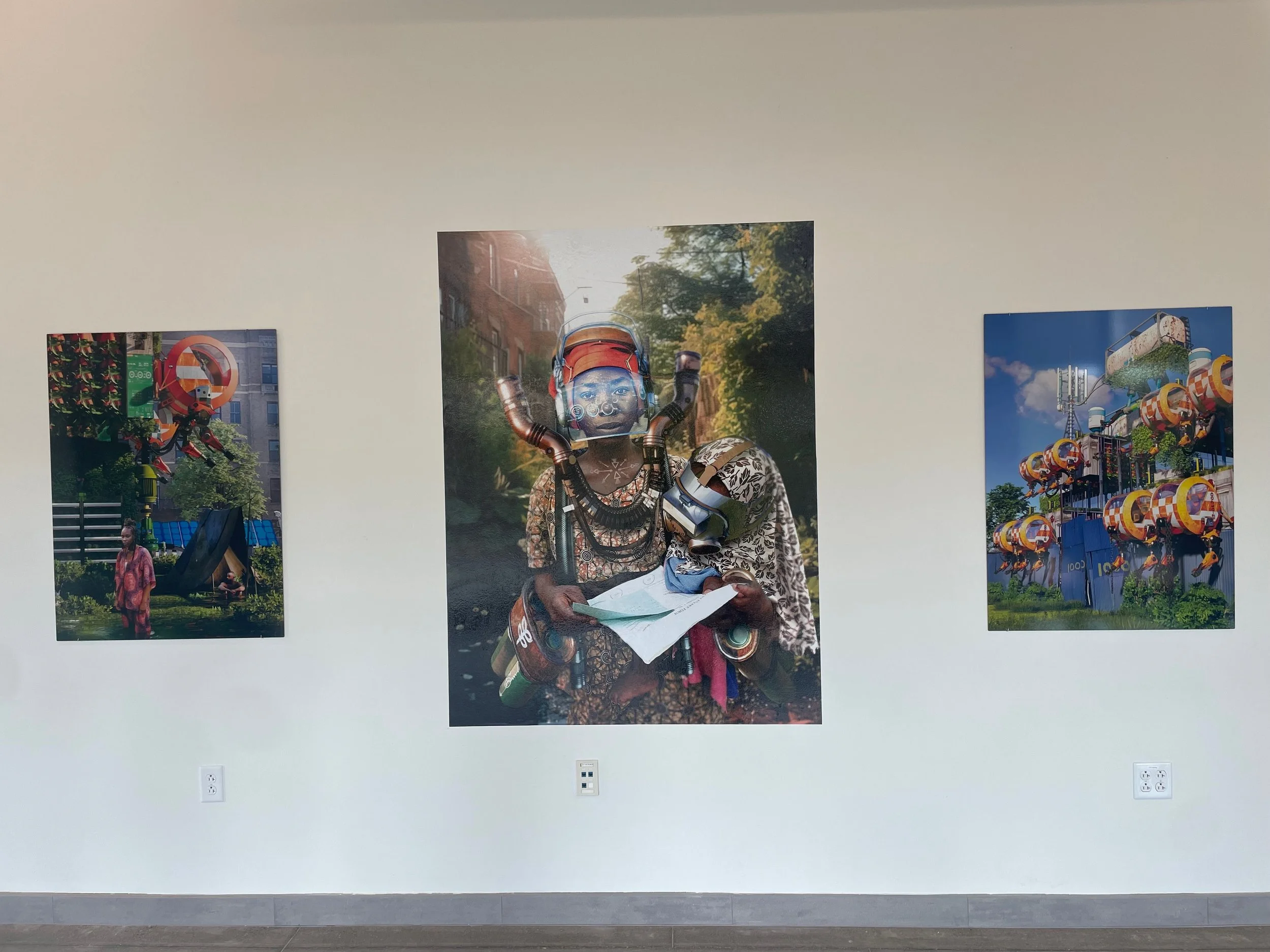
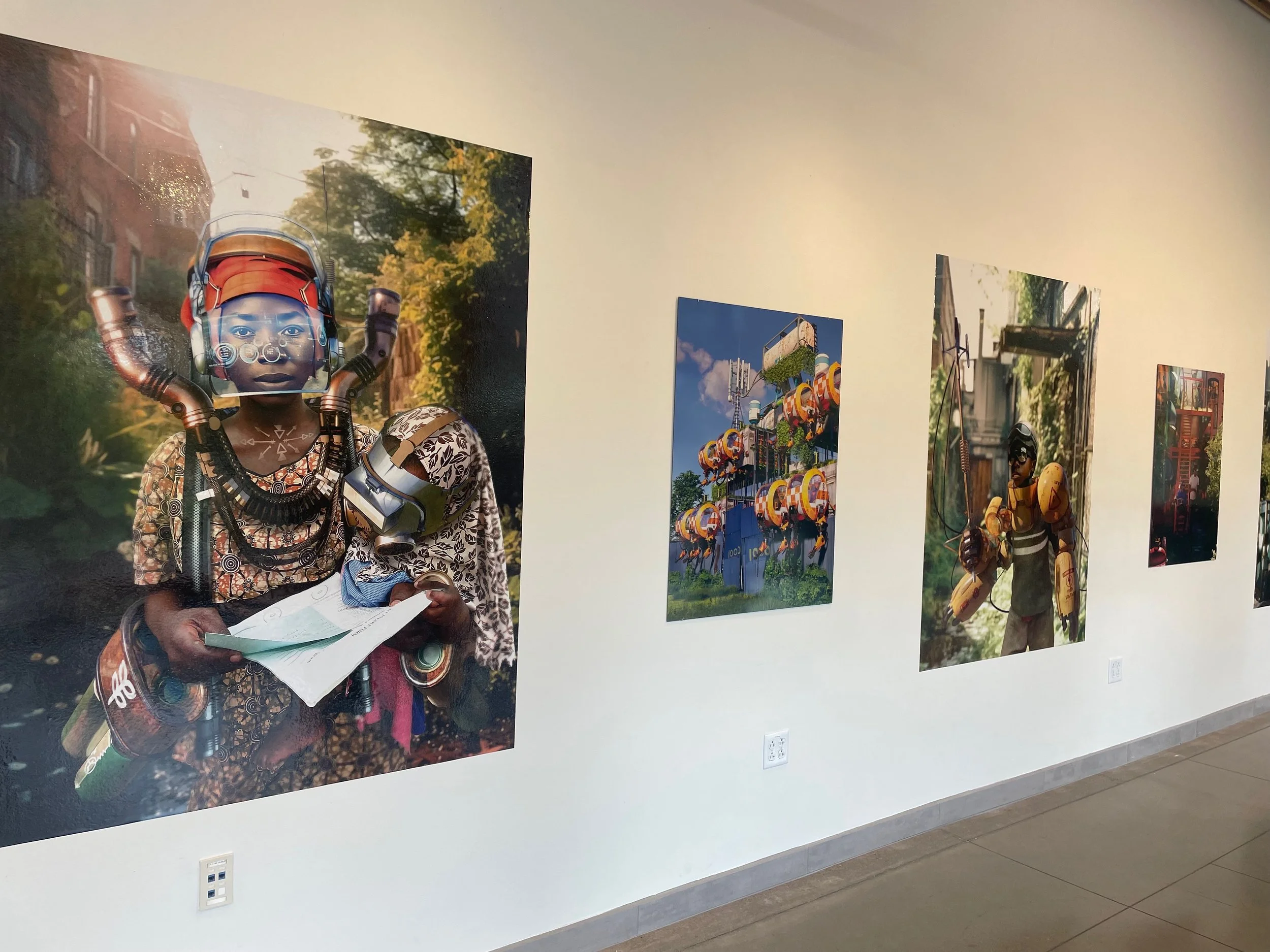
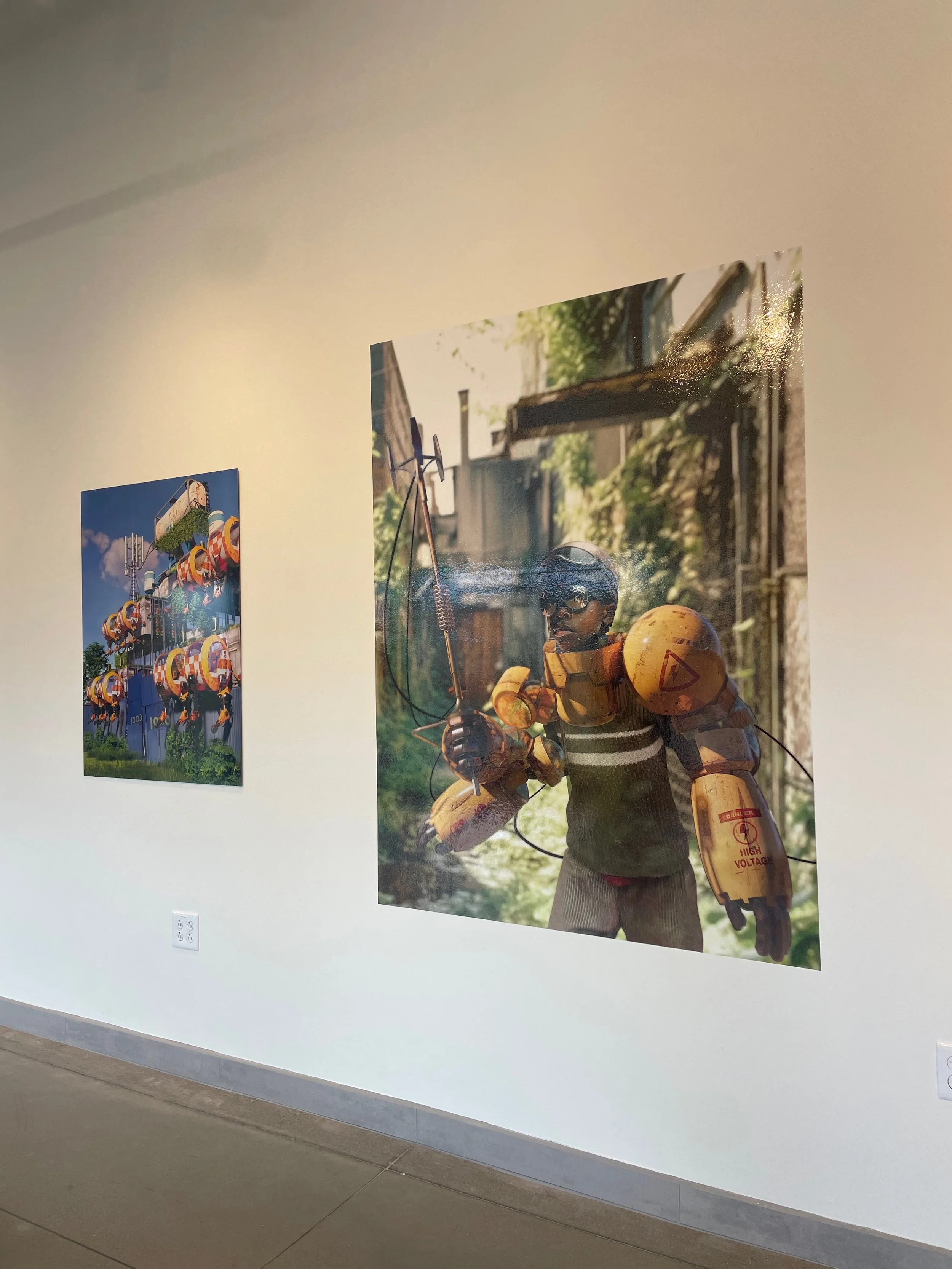
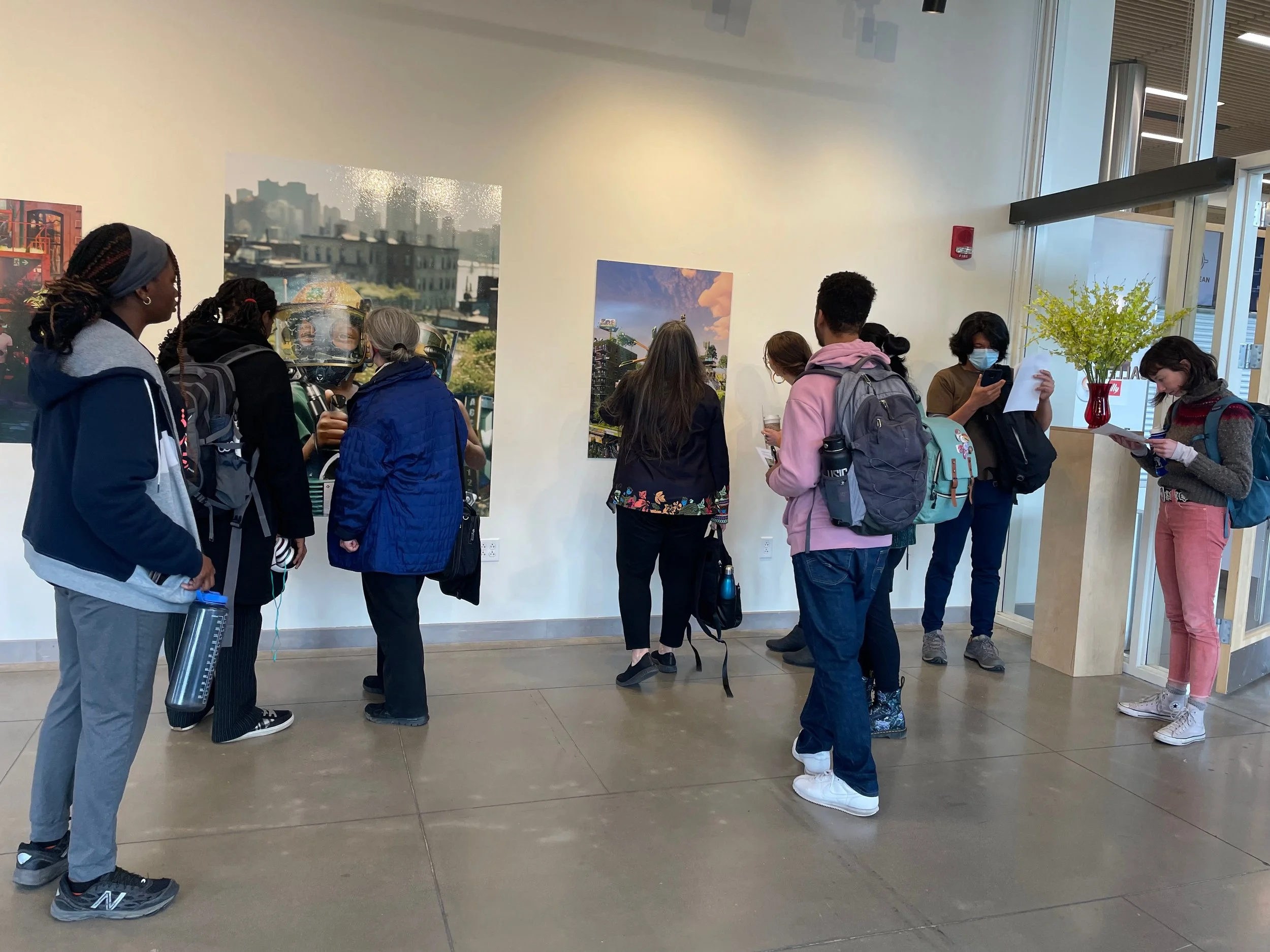
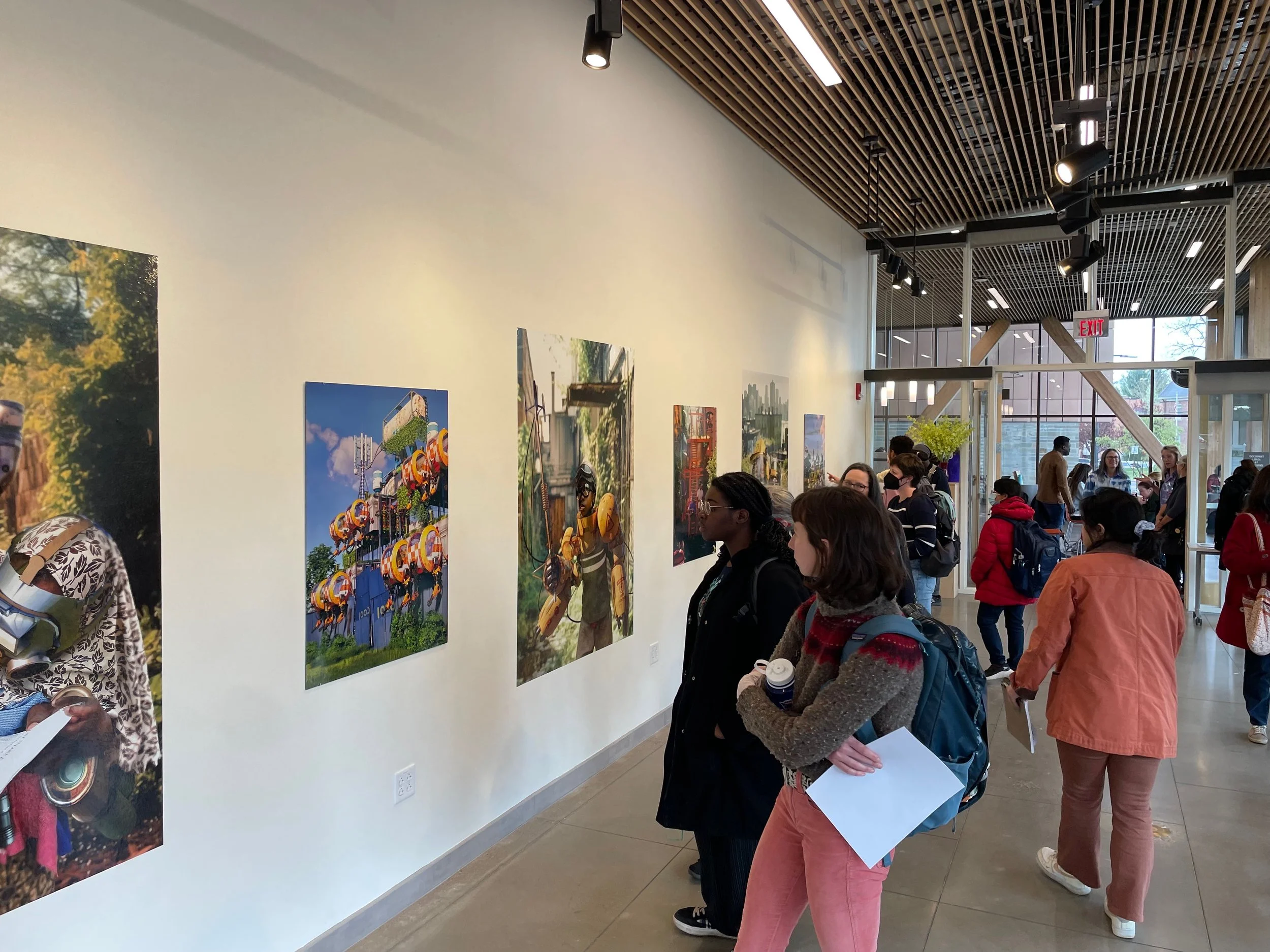
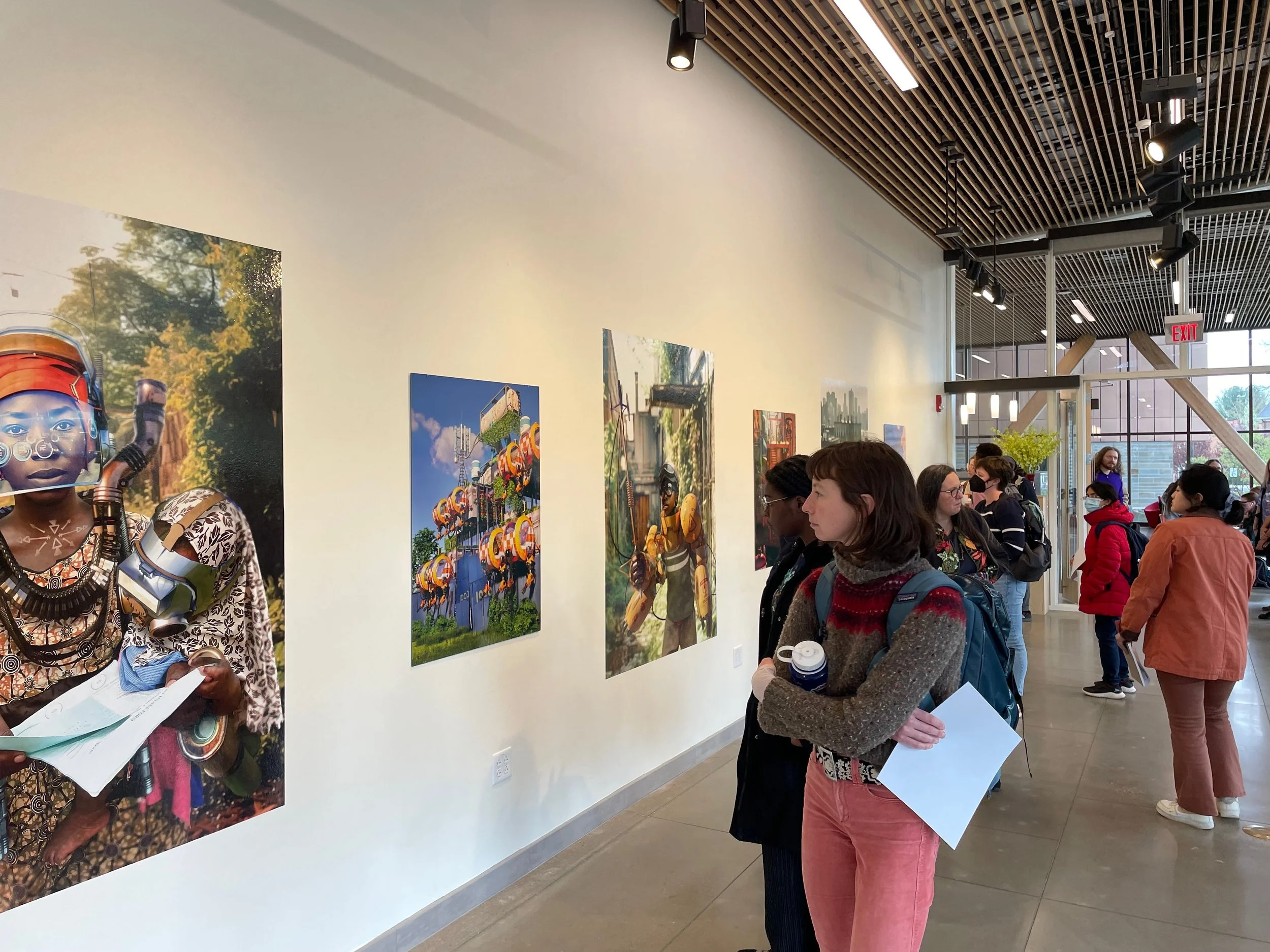
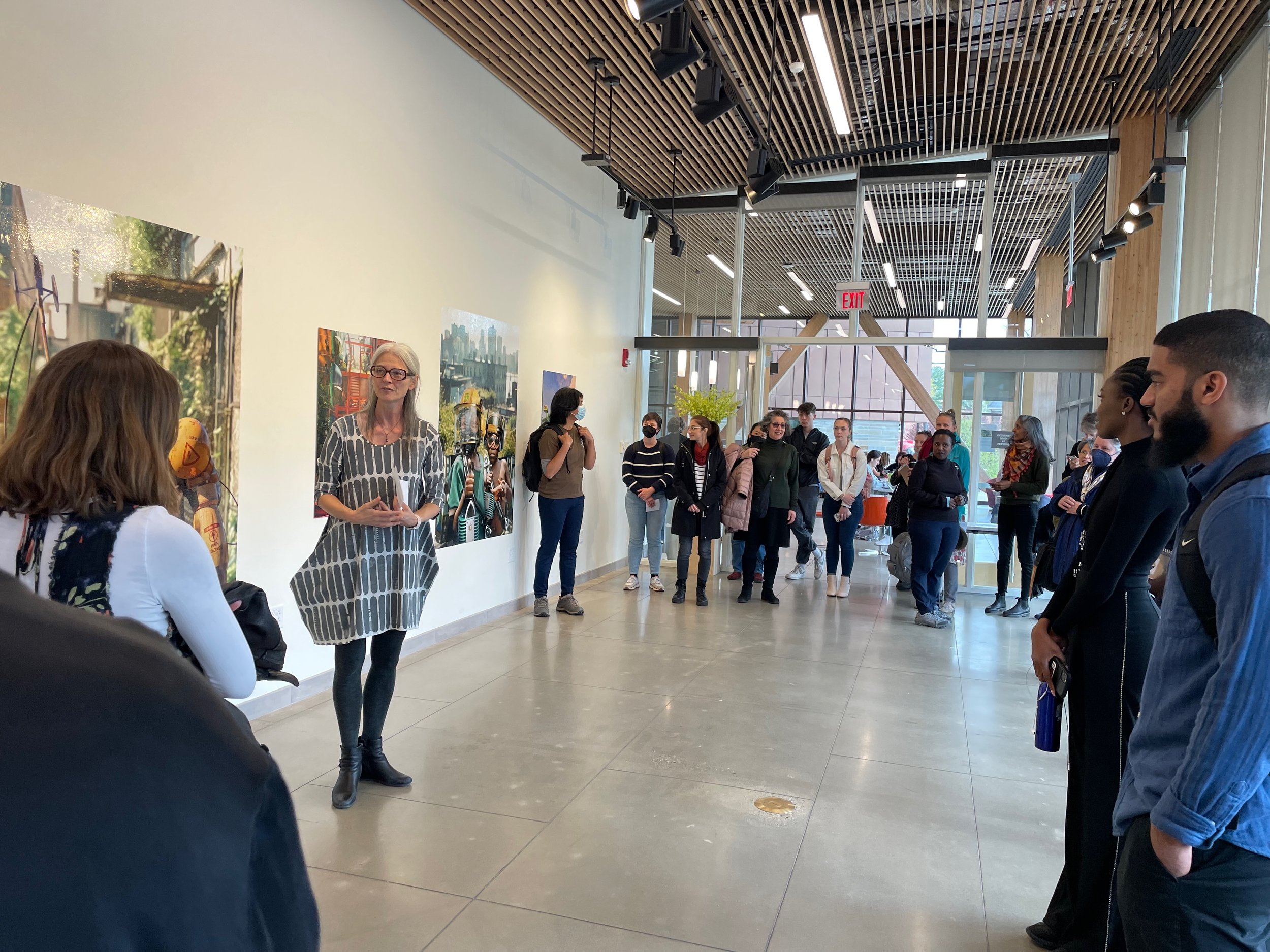
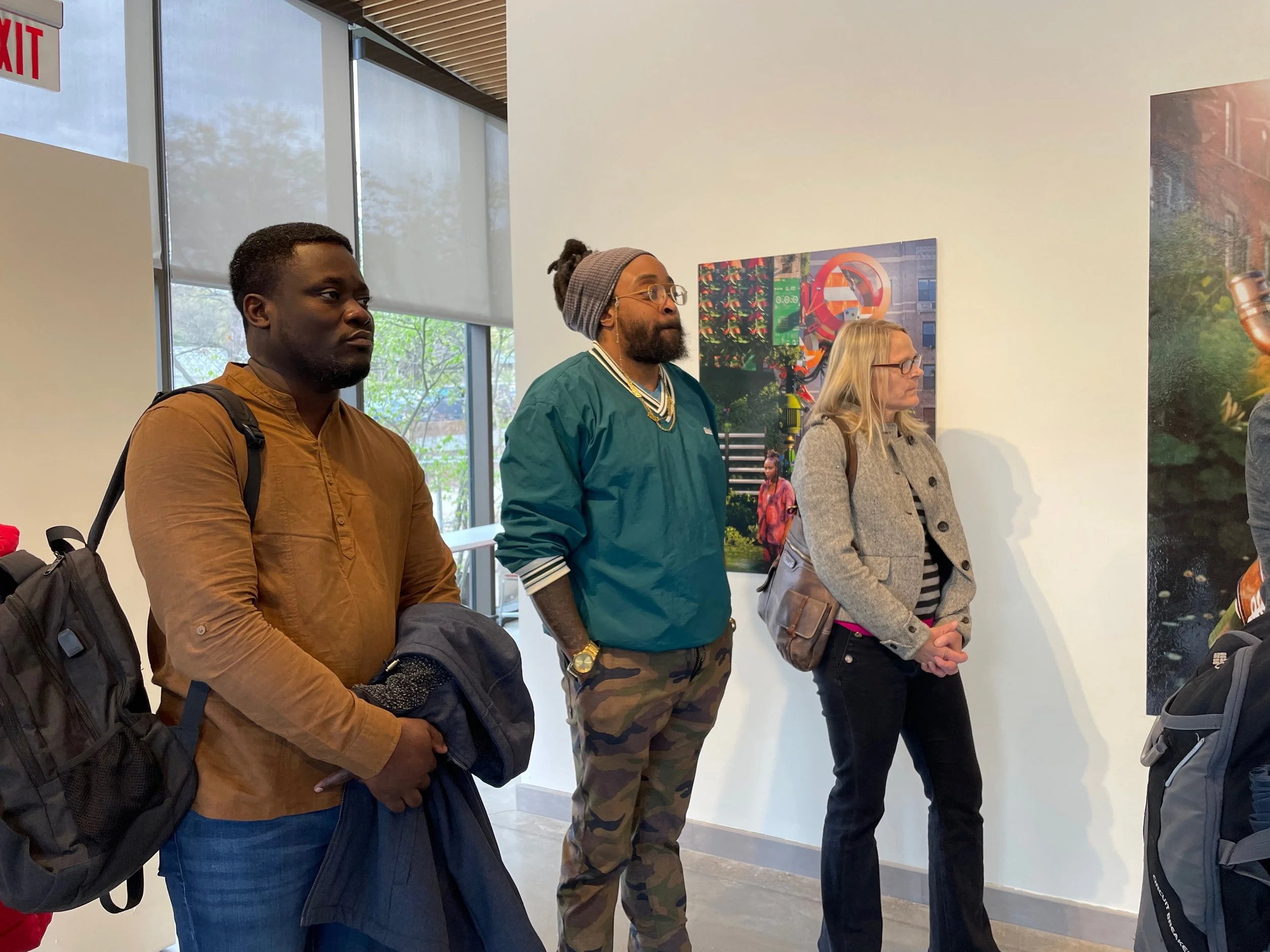
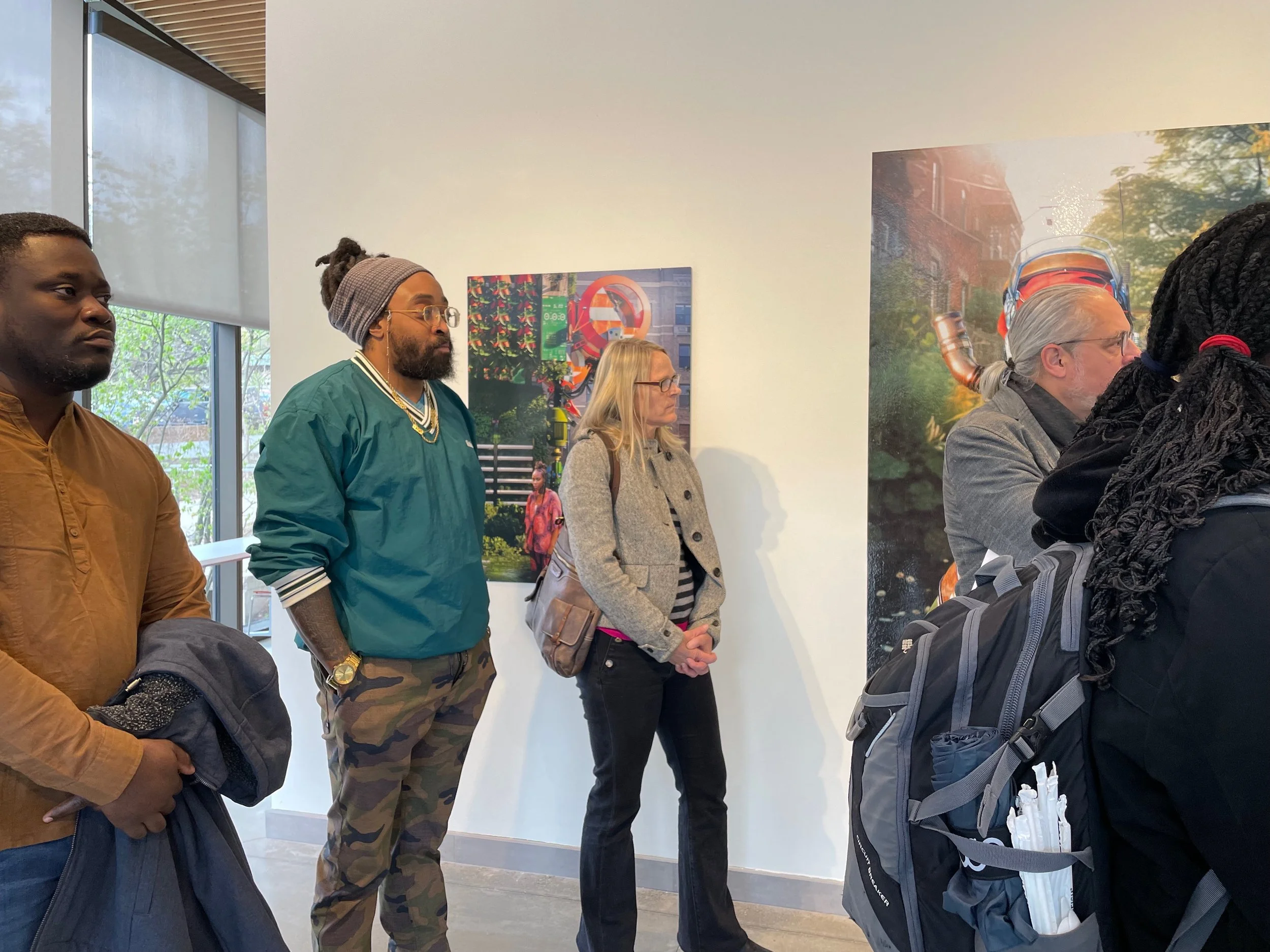
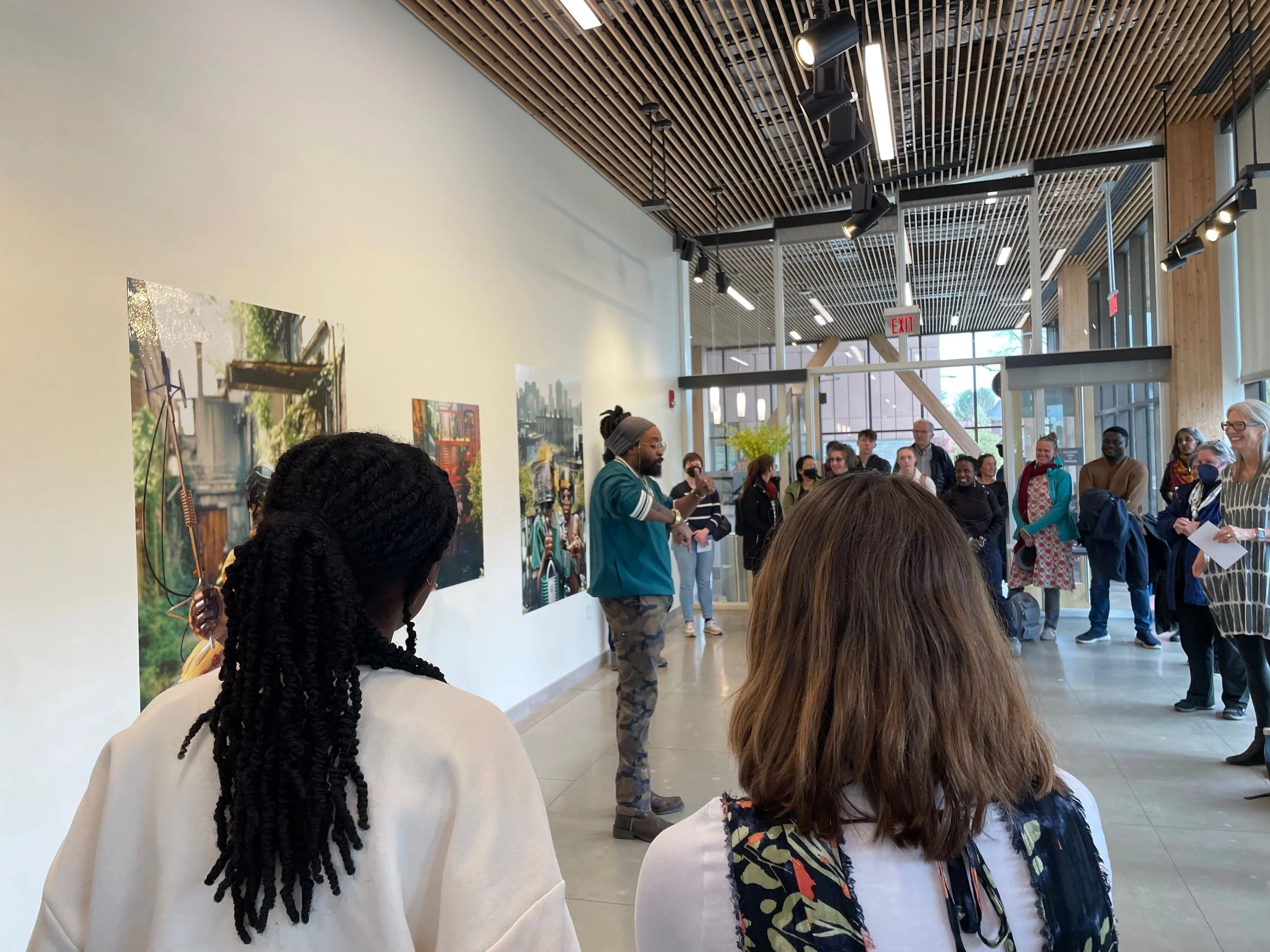
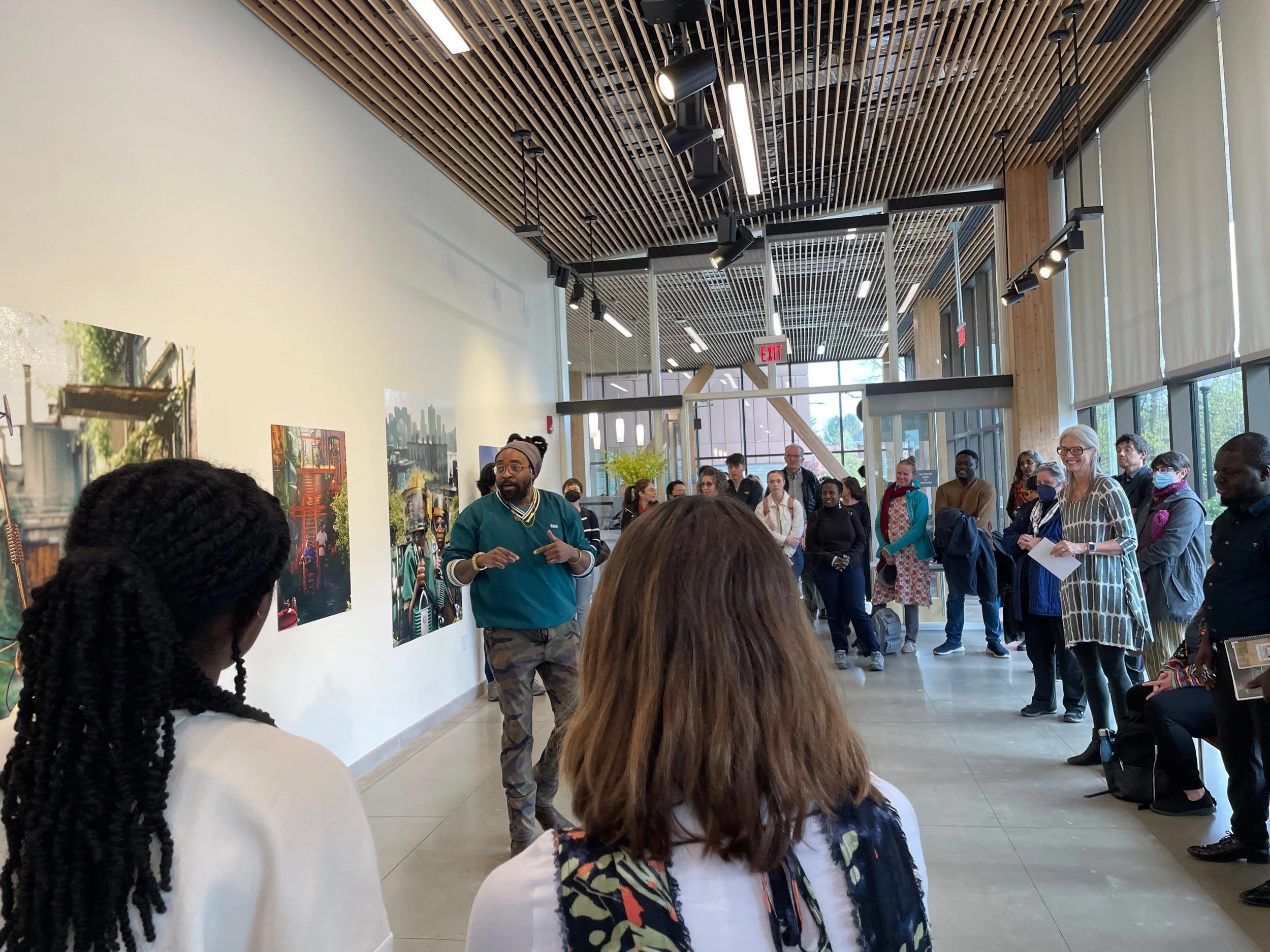
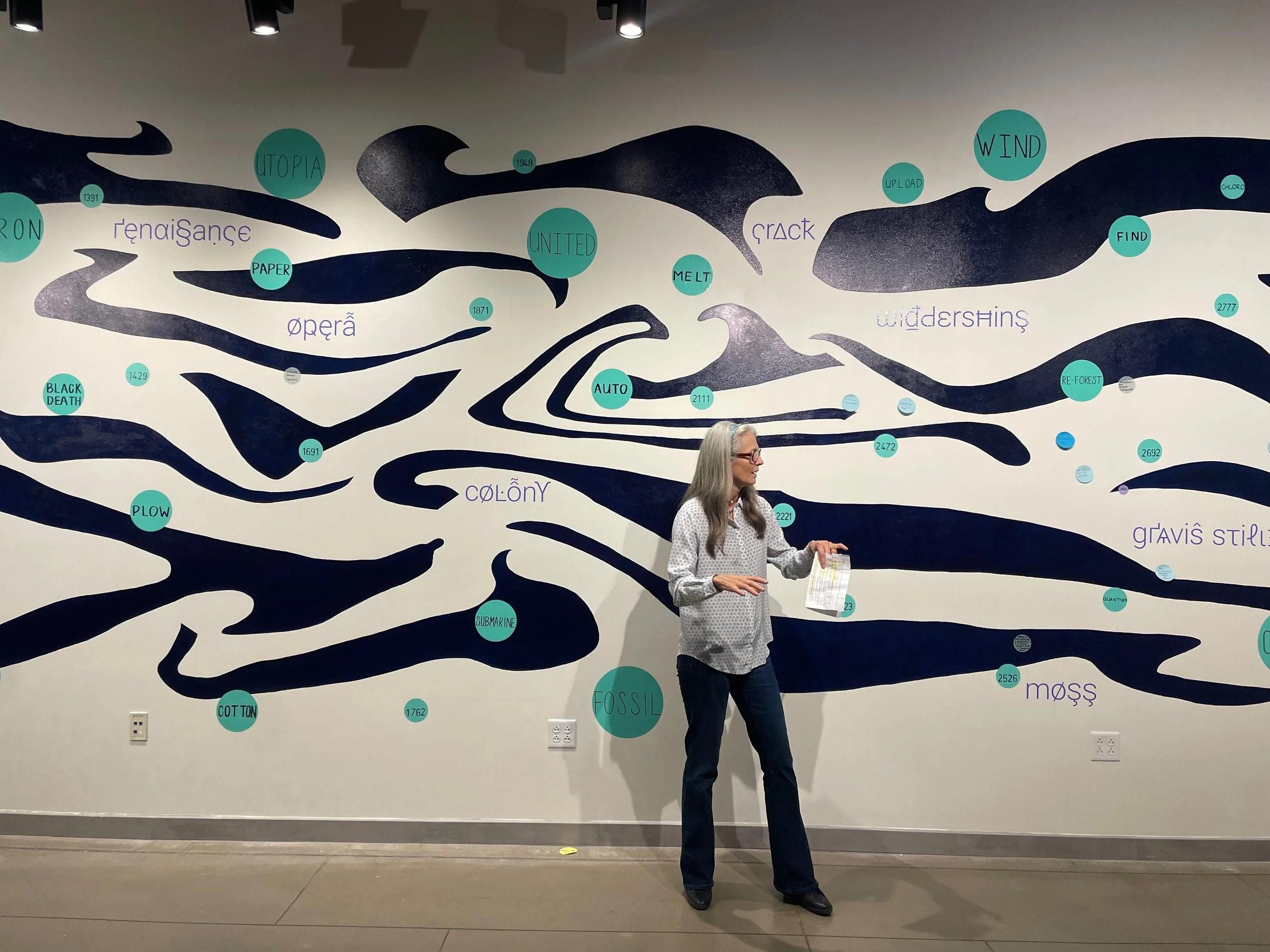
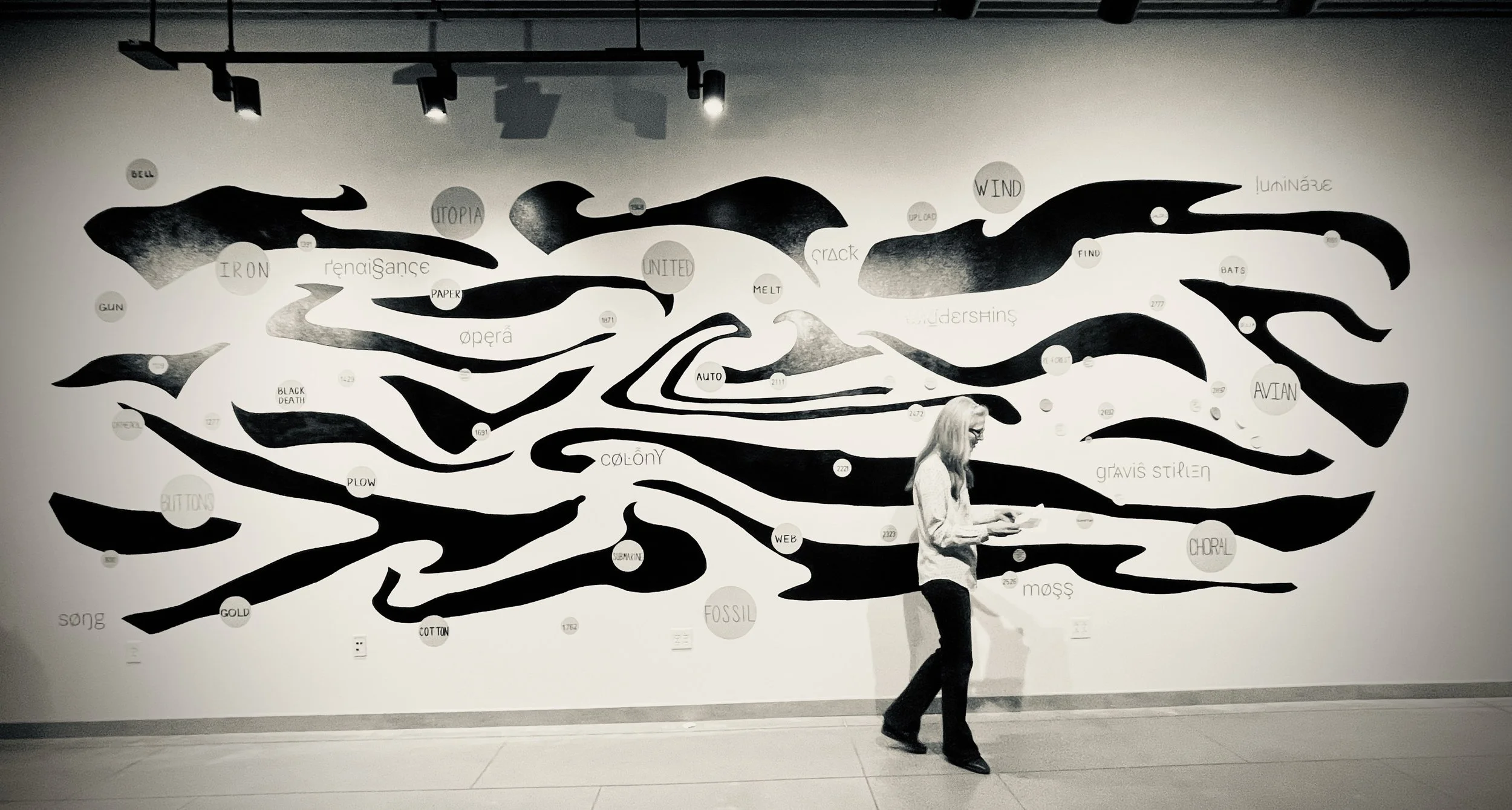
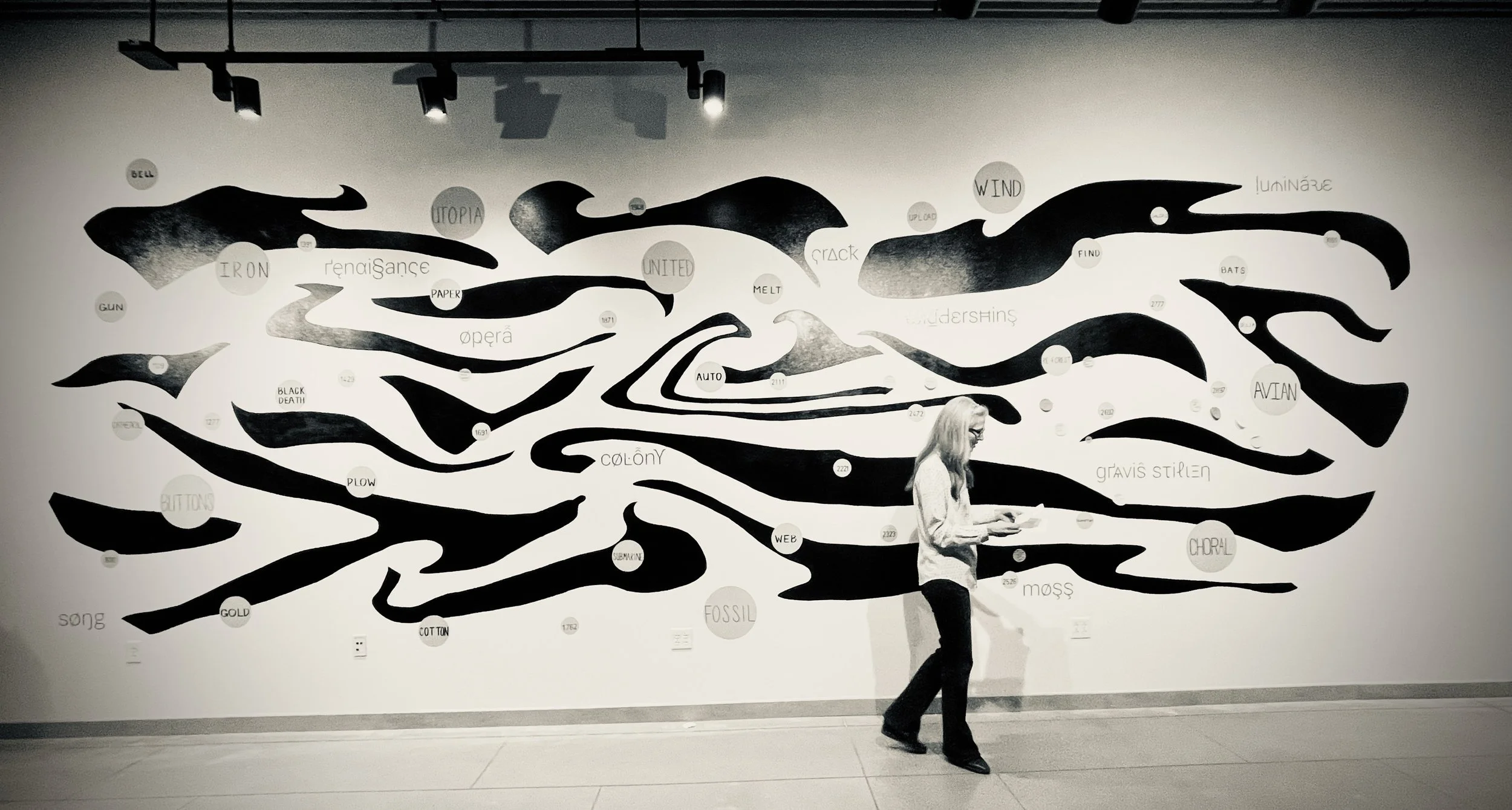
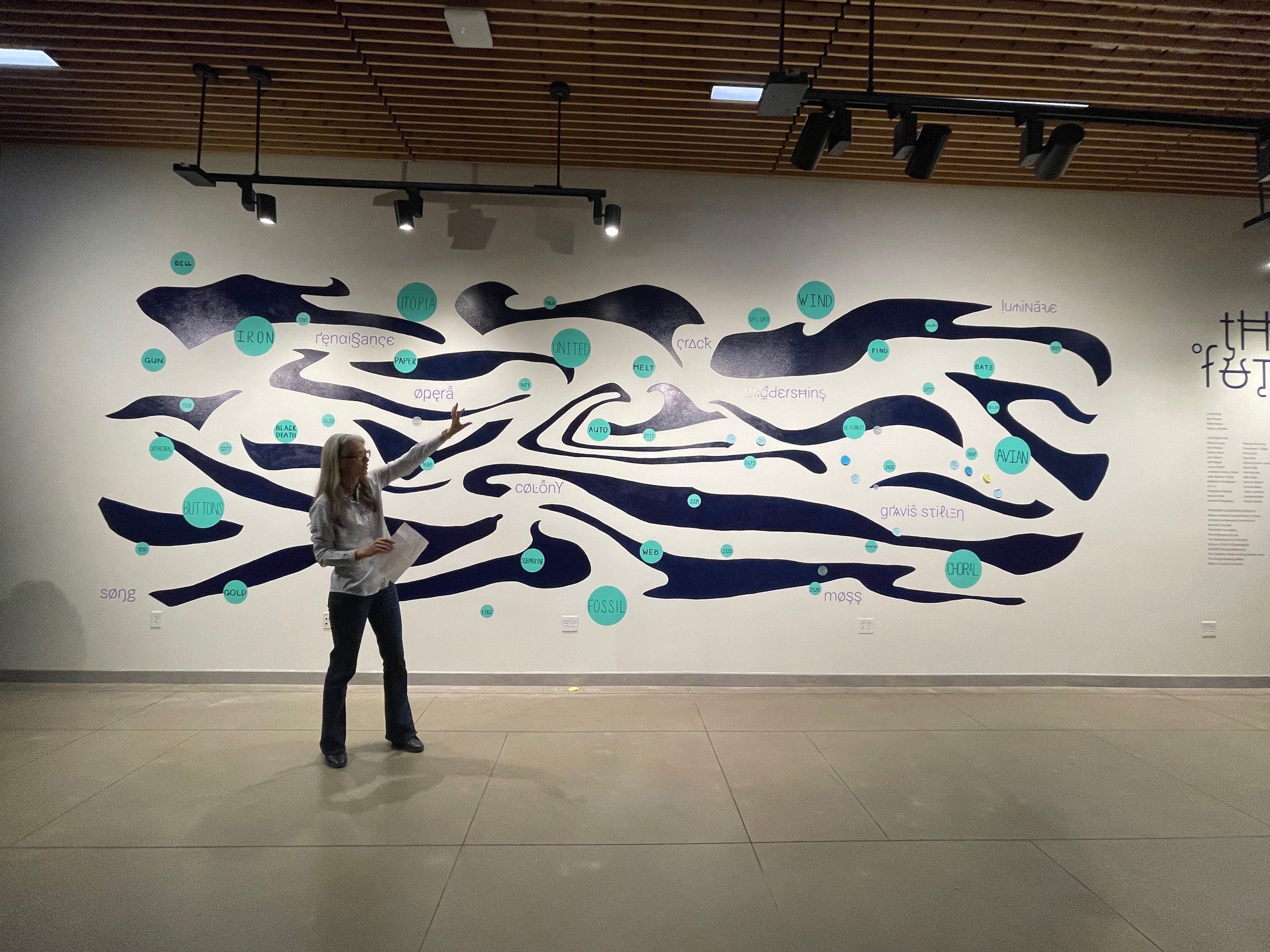
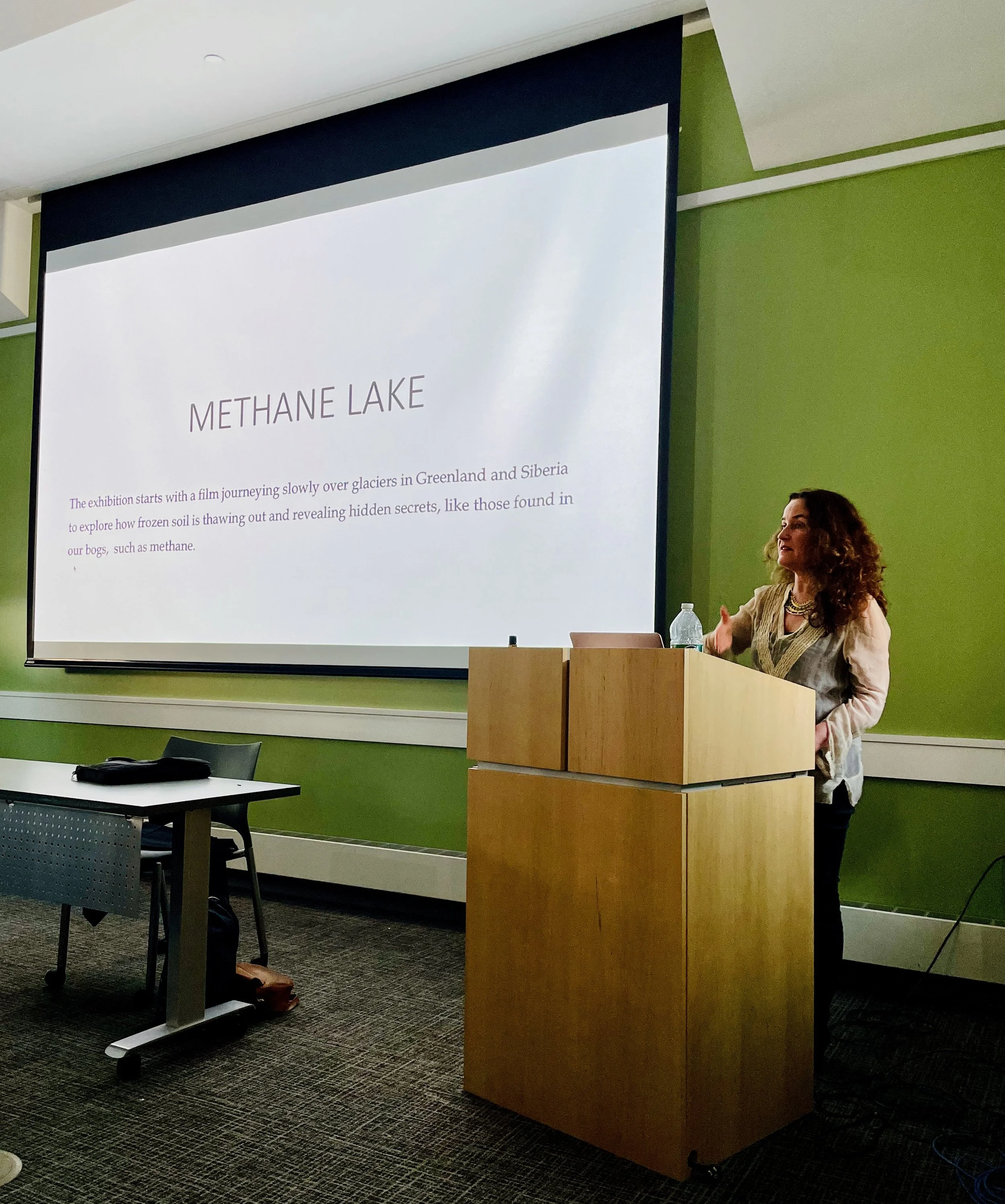
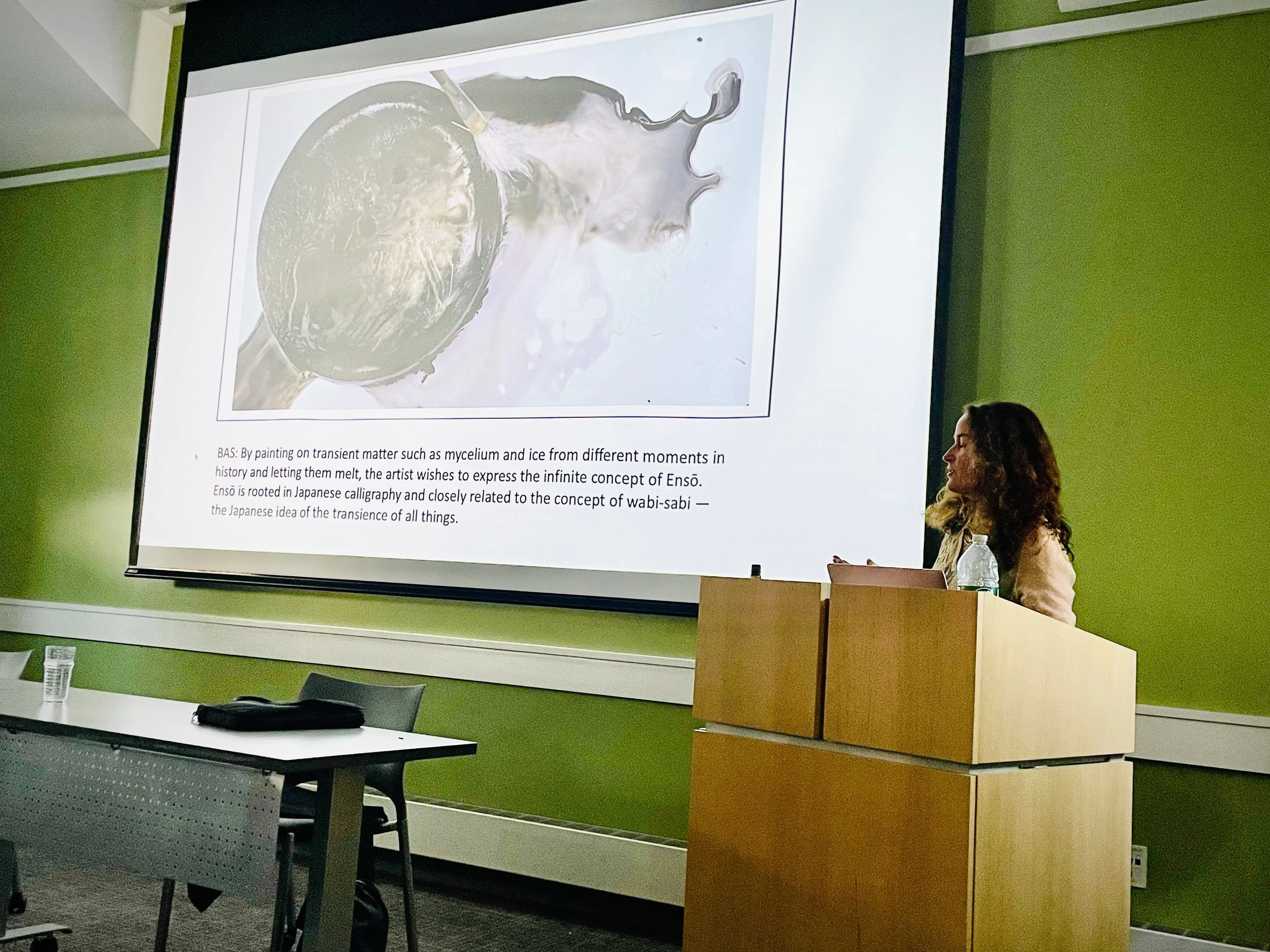
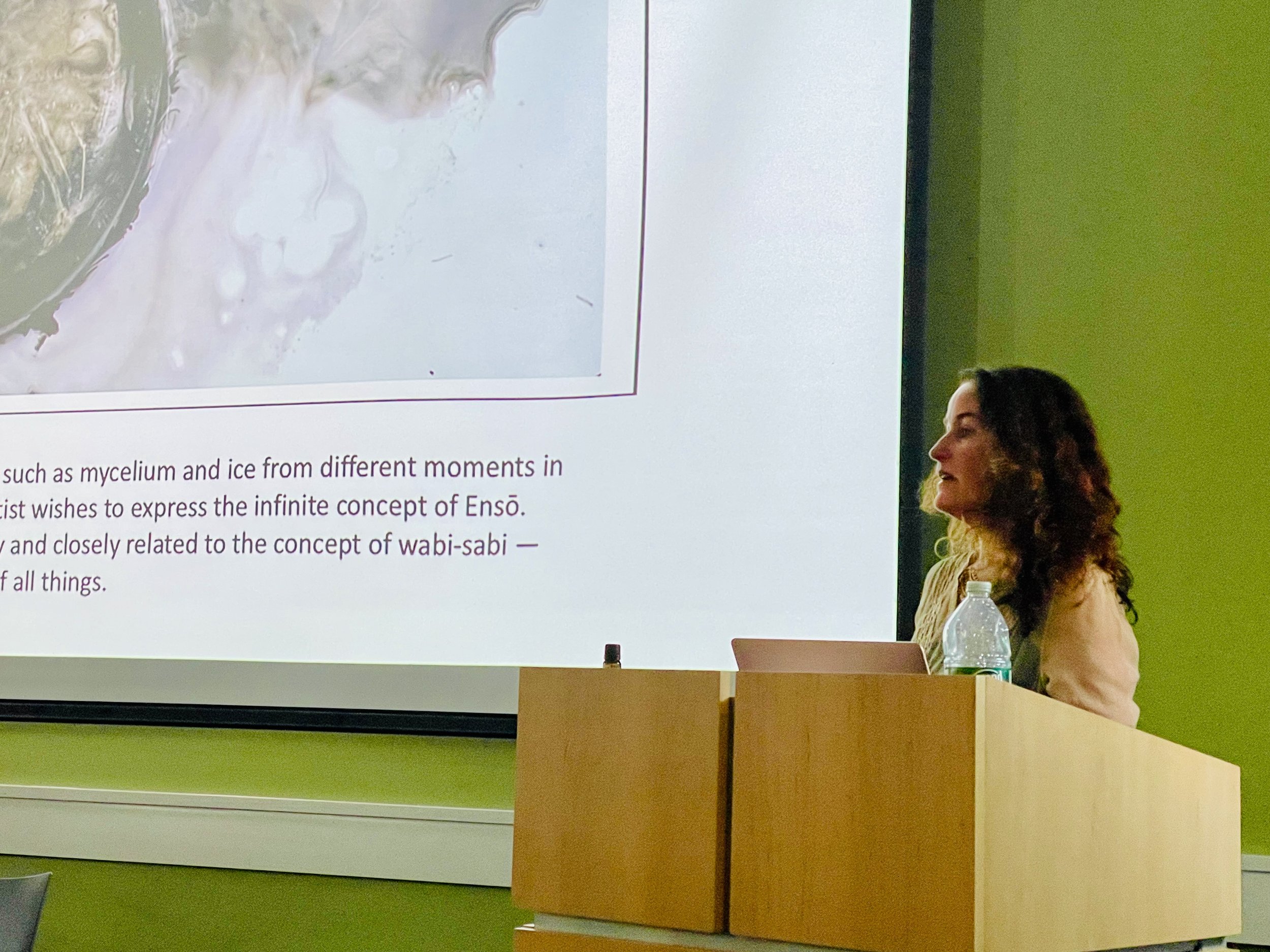
"On Distant Keys" is a transdisciplinary art and research project led by Sandy Litchfield, Associate Professor of Architecture at UMass Amherst. The project culminated in the exhibition "Y3K: On Distant Keys", held from March 25 to April 26, 2024, at the Design Building Gallery at UMass Amherst.
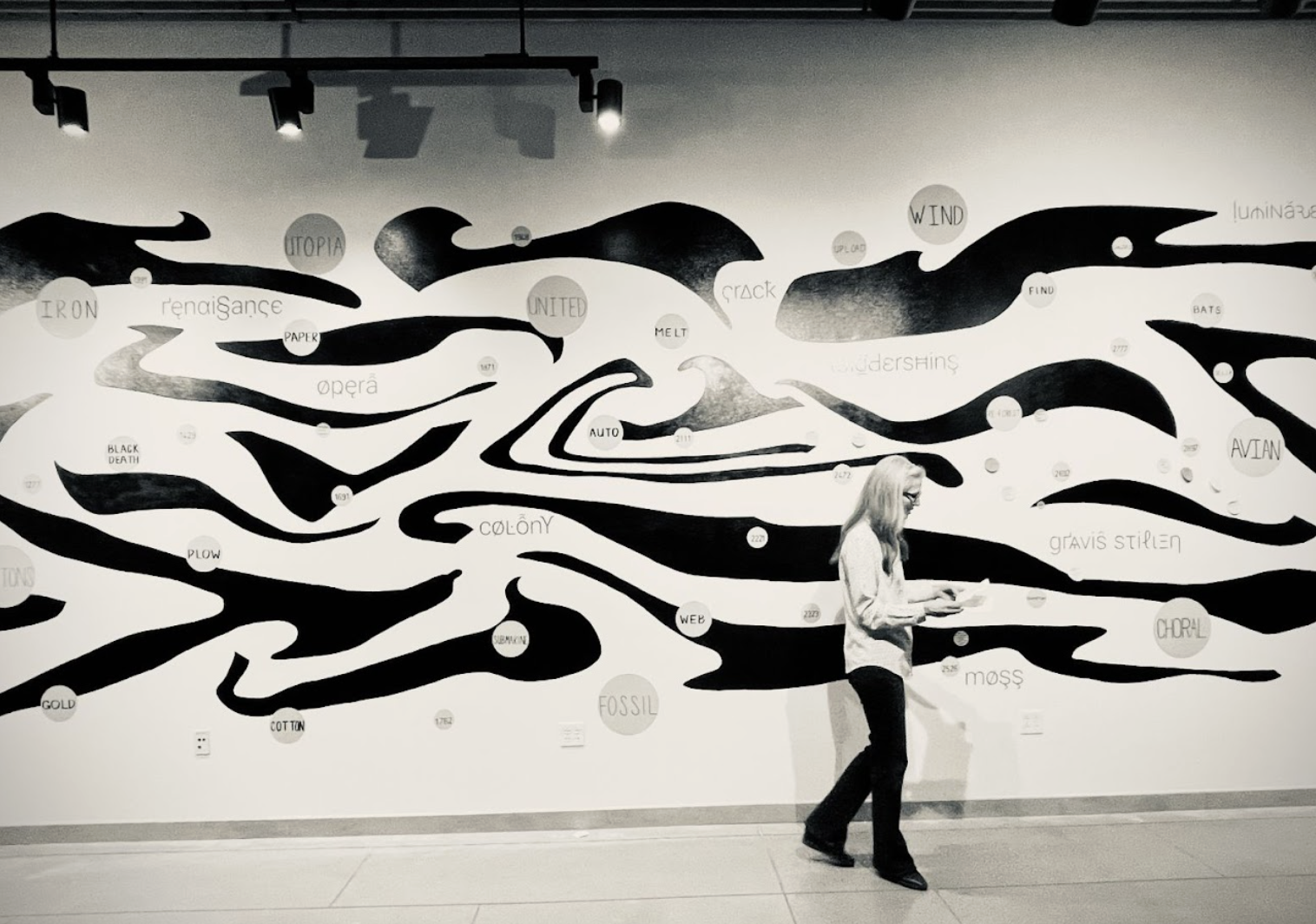
Sandy Litchfield at Y3K: On Distant Keys
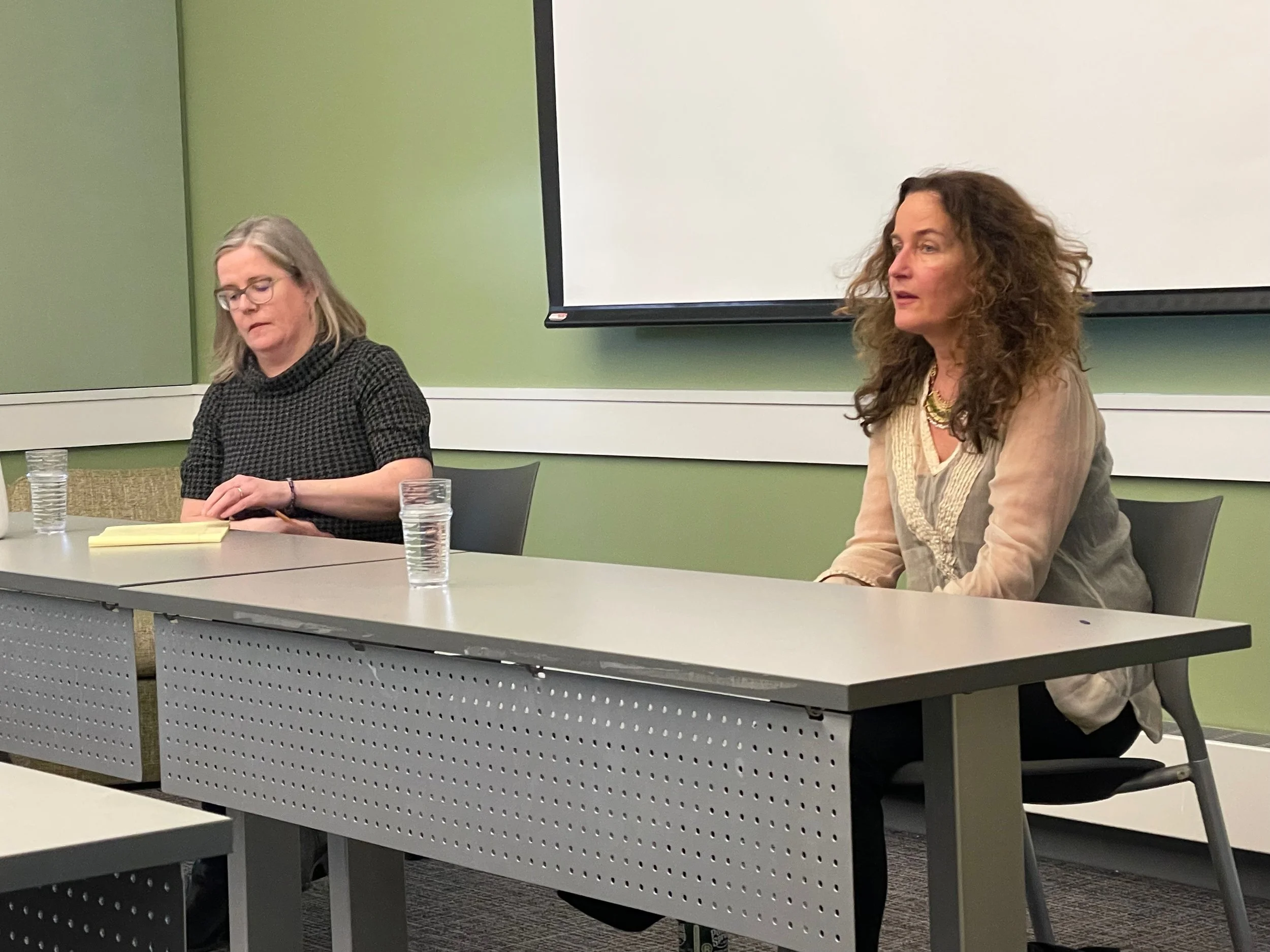
The dialogue-centered workshop featured guided listening of musical works by John Luther Adams, Tanya Tagaq, and Lei Liang, and an exploration of the place of language in imagining human relations with ice, together with a close reading of the Inupiat poet Joan Naviyuk Kane’s recent collection of lyrical poems Dark Traffic (2021).
Ice Blue: Toward a Poetics of Solid Water
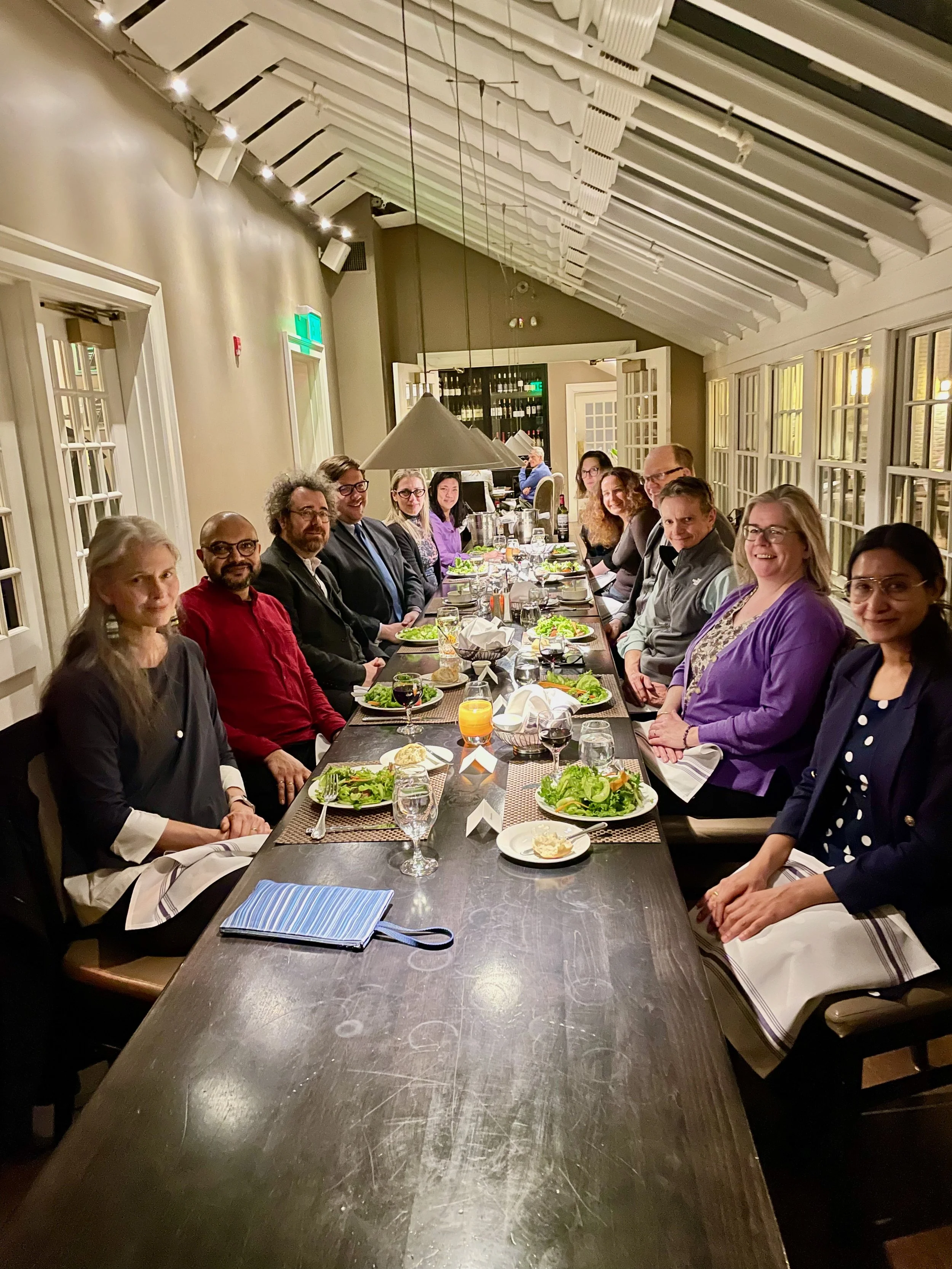
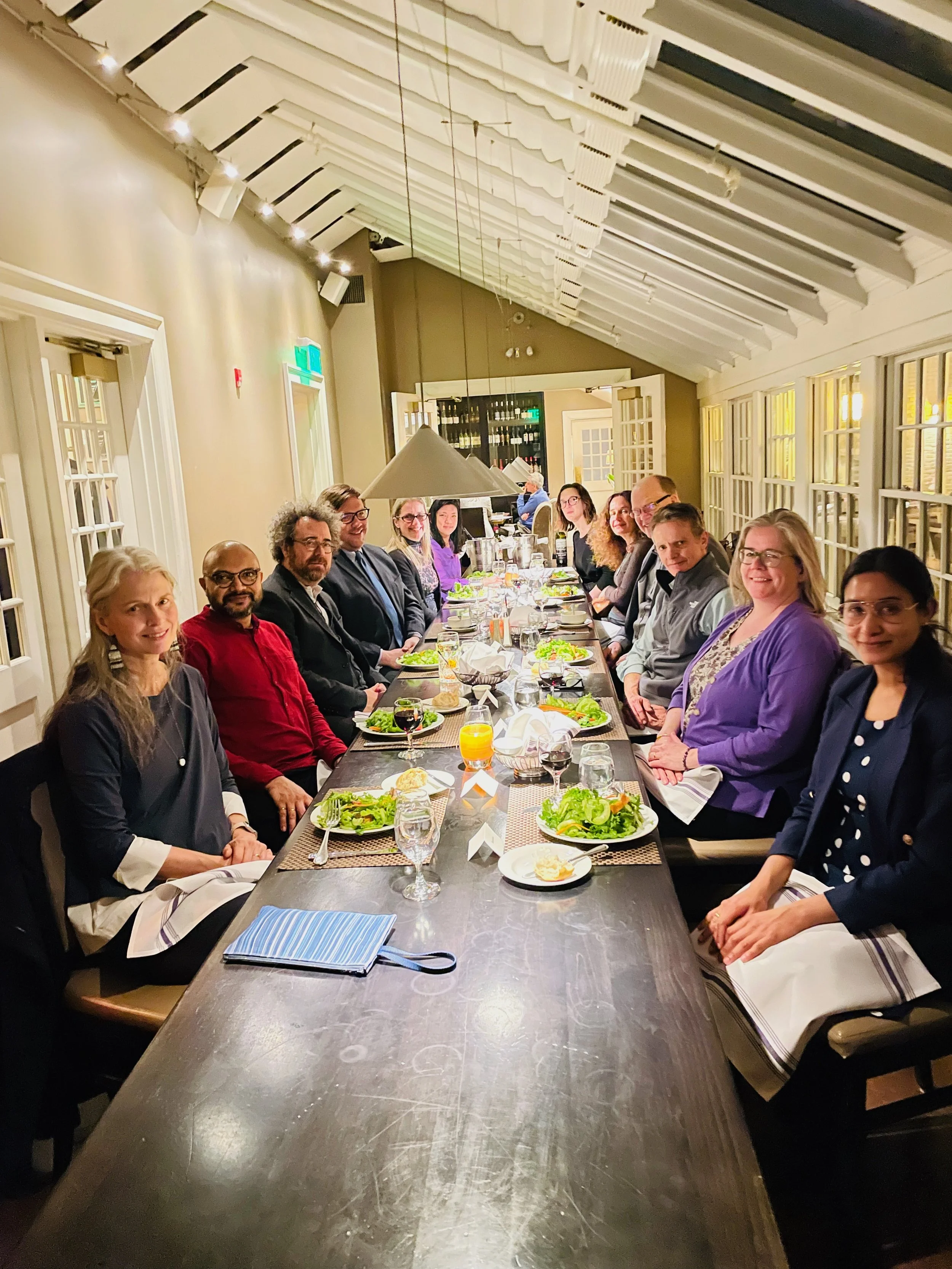
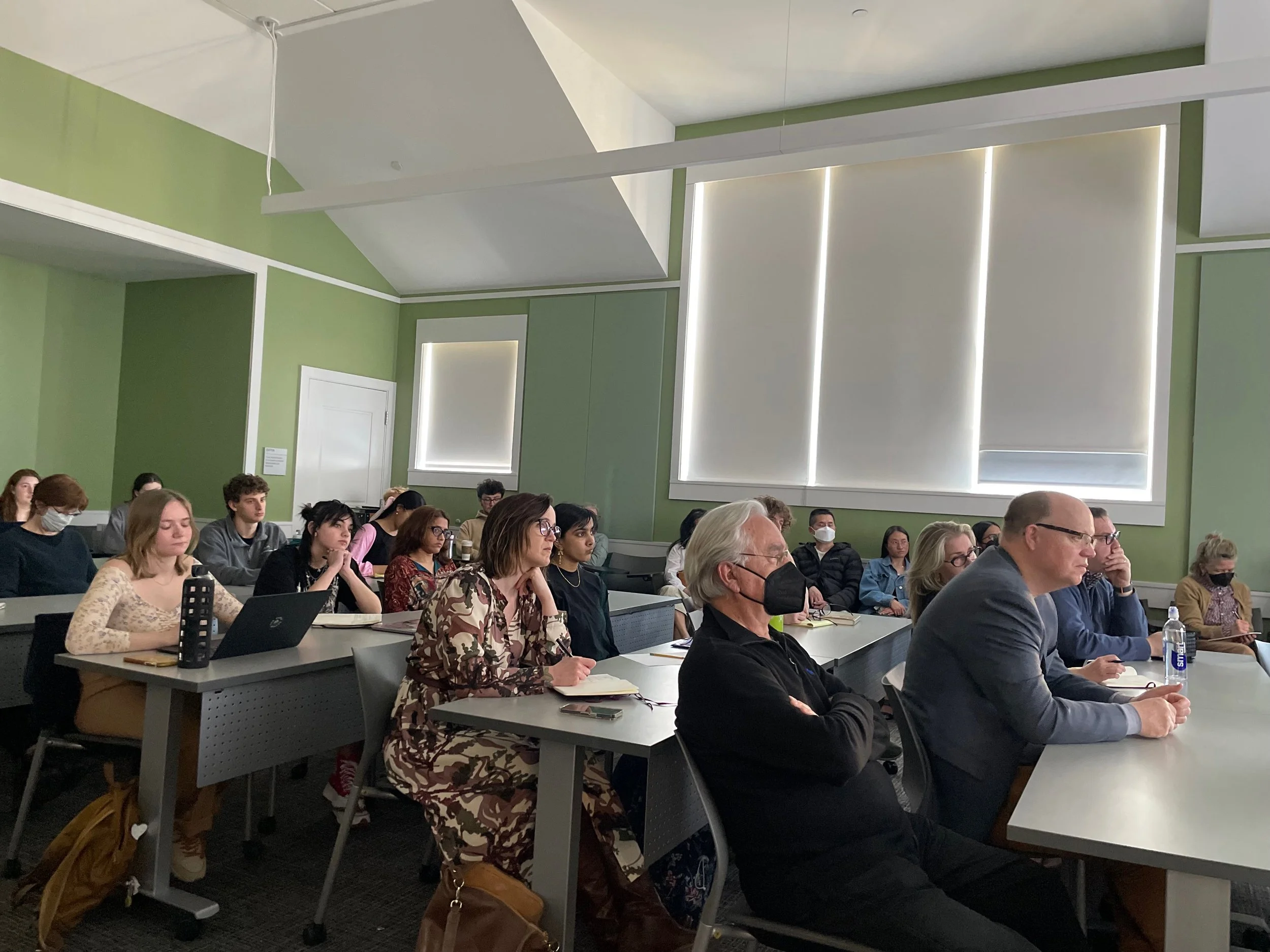
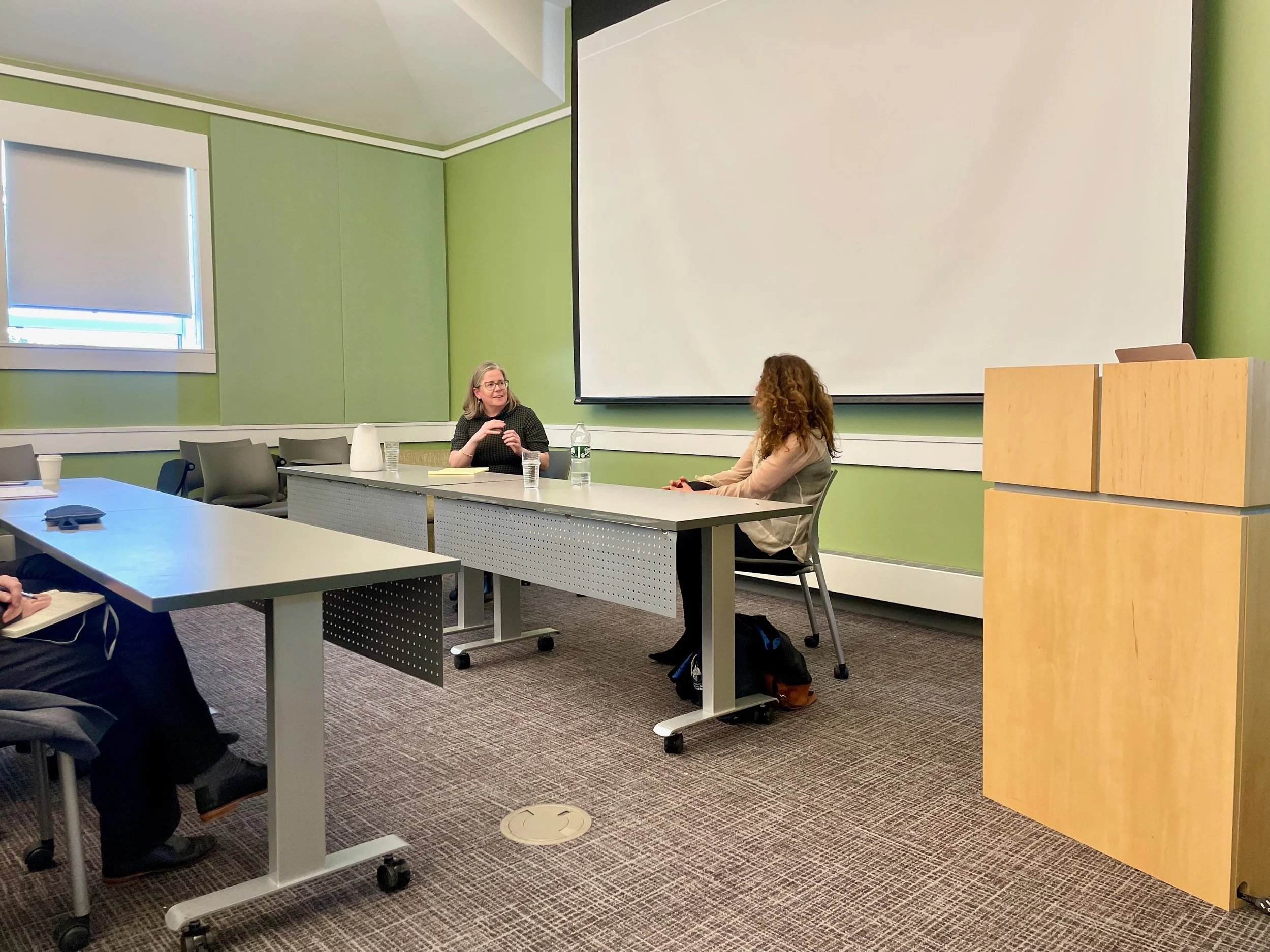
Evan MacCarthy (Music and Dance), Marjorie Rubright (English), and Steve Mentz (English) lead a multimodal workshop on sonic and poetic icescapes of the Arctic on March 12 2023 at the Kinney Center.
A part of The Great Melt: The Arctic Frontier of the Anthropocene, and the Center's ELMENTS series of events, this workshop centered the role of the humanities in shaping Arctic imaginaries. Moving across sonic, linguistic, and poetic engagements, we will open onto conversations that delve into the blue humanities.
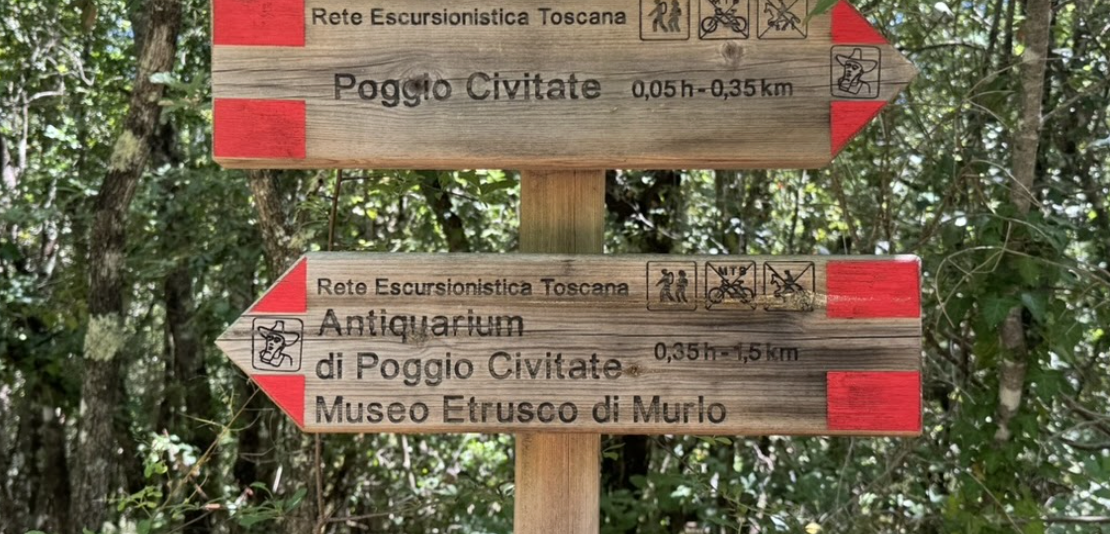
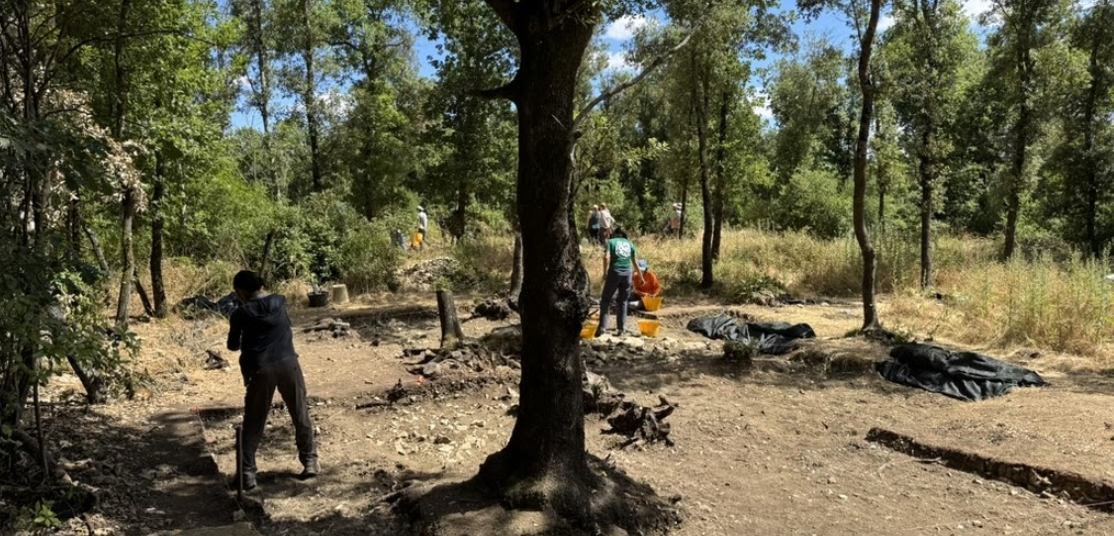
The excavations are located approximately 25 km south of Siena, Italy. The site was witness to the development of one of the earliest attested Etruscan proto-urban environments. In the late eighth century BCE, aristocrats undertook the construction of a large building complex at the site consisting of a large residential structure, a monumental industrial building, and an early Tripartite temple. Each of these buildings was opulently decorated with terracotta sculptures and represents some of the largest buildings known in the Mediterranean for their time period. Thus the site of Poggio Civitate is one of the most important for the study of archaic Etruscan culture. During the summer excavation season, the site is host to an international cast of scholars who travel to Poggio Civitate to conduct research, which has resulted in the publication of hundreds of books and articles on the site. The site provides an exceptional portal to think through the origins and complications of the Anthropocene designation. Malcolm Sen and Anthony Tuck, the Director of the Excavations are collaborating on a still-evolving project based around conceptualizing Poggio Civitate as one of the cultural Golden Spikes marking the Anthropocene epoch.