The Art(e)facts
Read about The Art(e)facts project and the student research that makes it possible.
Reflecting on Art(e)facts: Voices
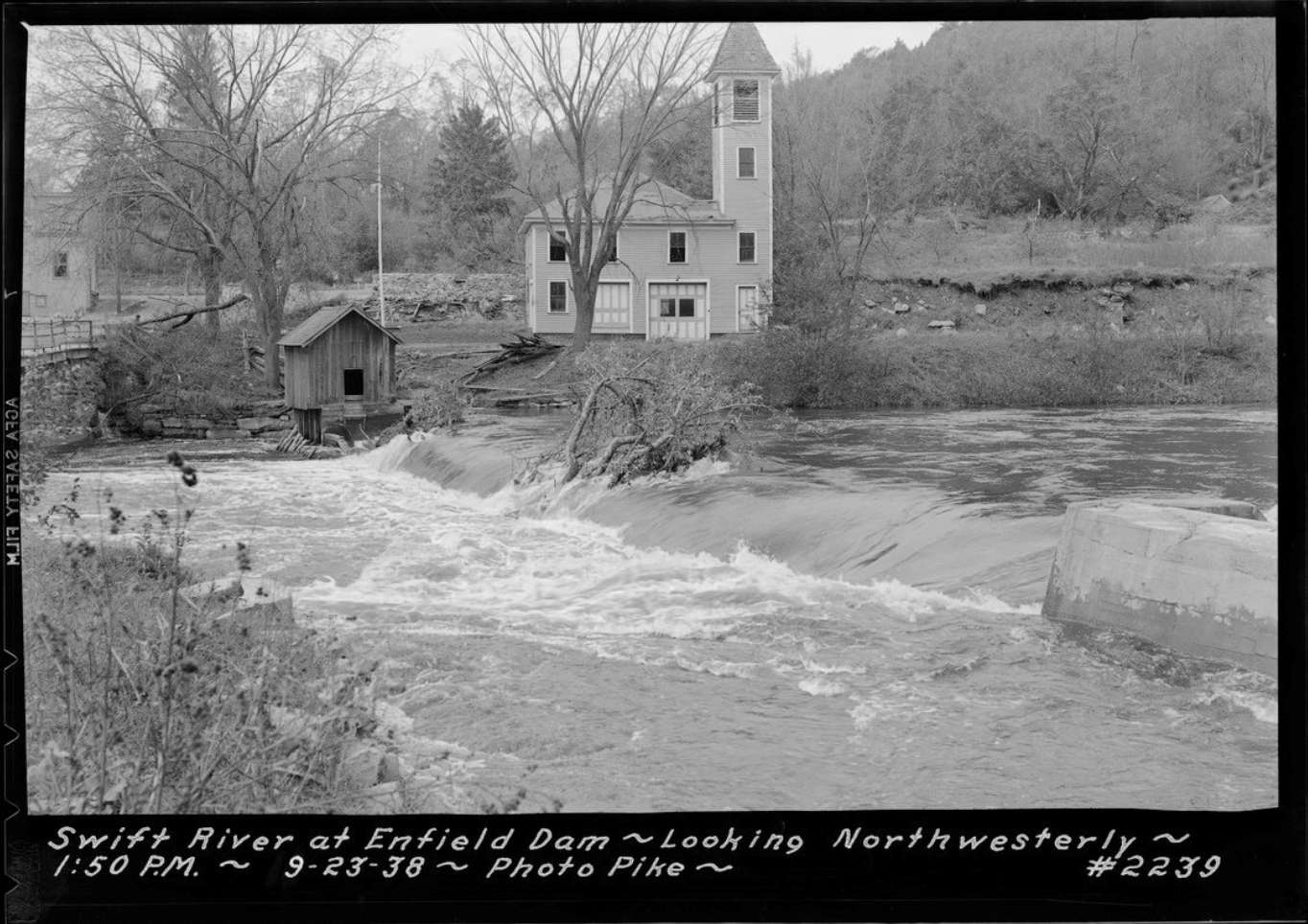
Humanity and storytelling are intrinsically connected. So I encourage you to listen to the Duckert Collection. Hear their stories. And think, really think about what that would look like on a larger scale. And then, go beyond thinking. Because it is happening. We just need to open our eyes and see it.
Reflecting on Art(e)facts: Quartz
Quartz opened the door to many questions surrounding the hidden factors of artificial intelligence.
Presenting the Research
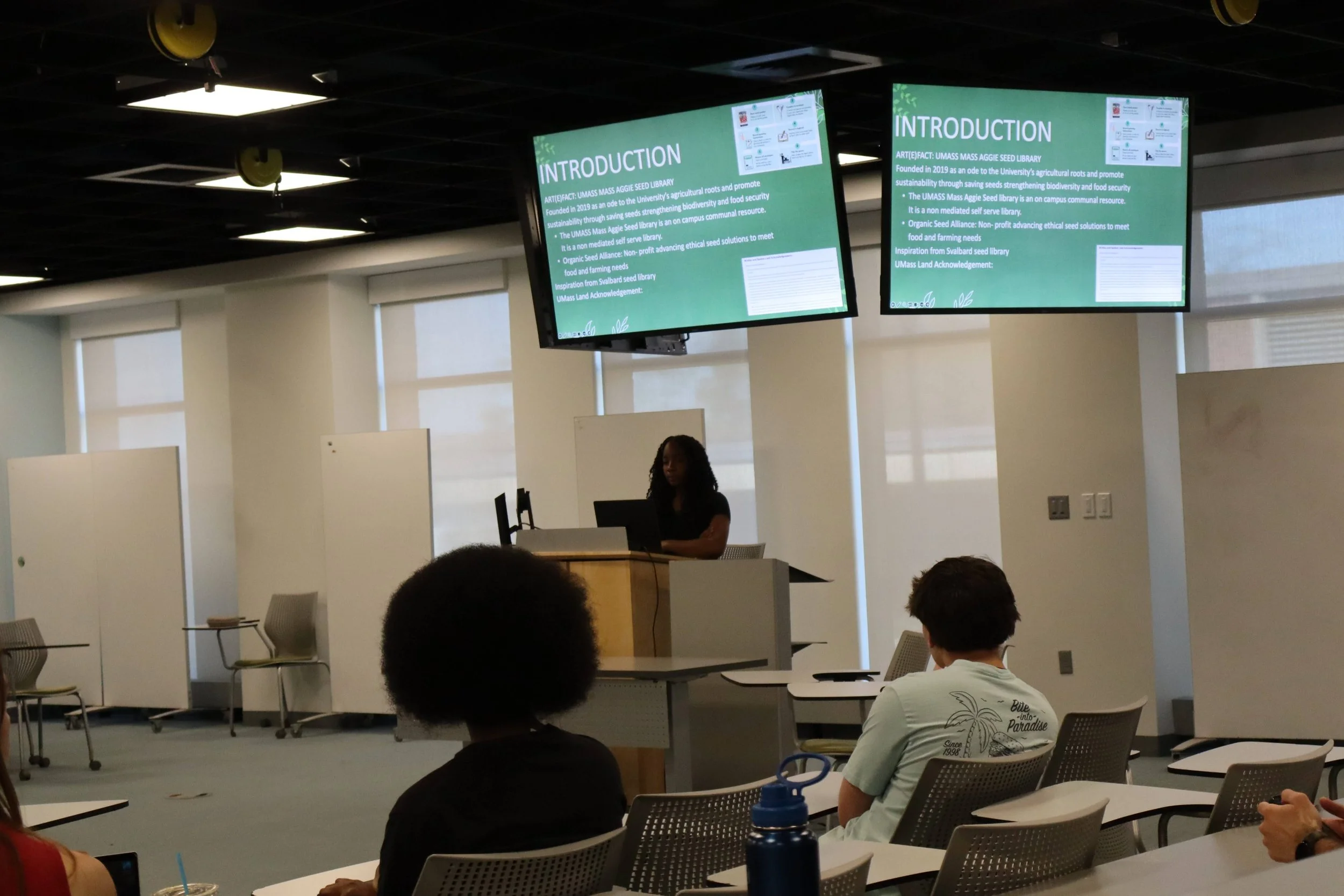
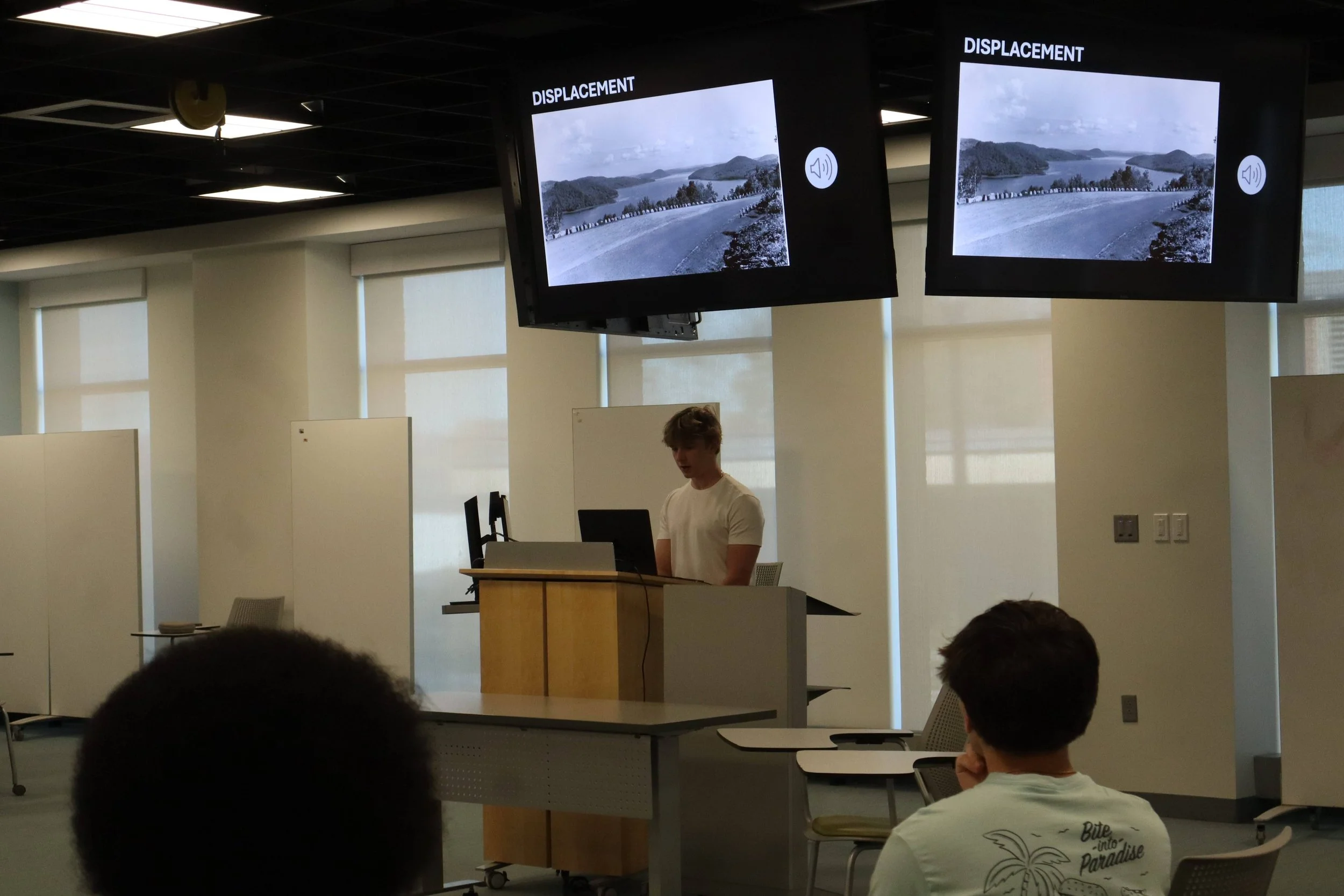
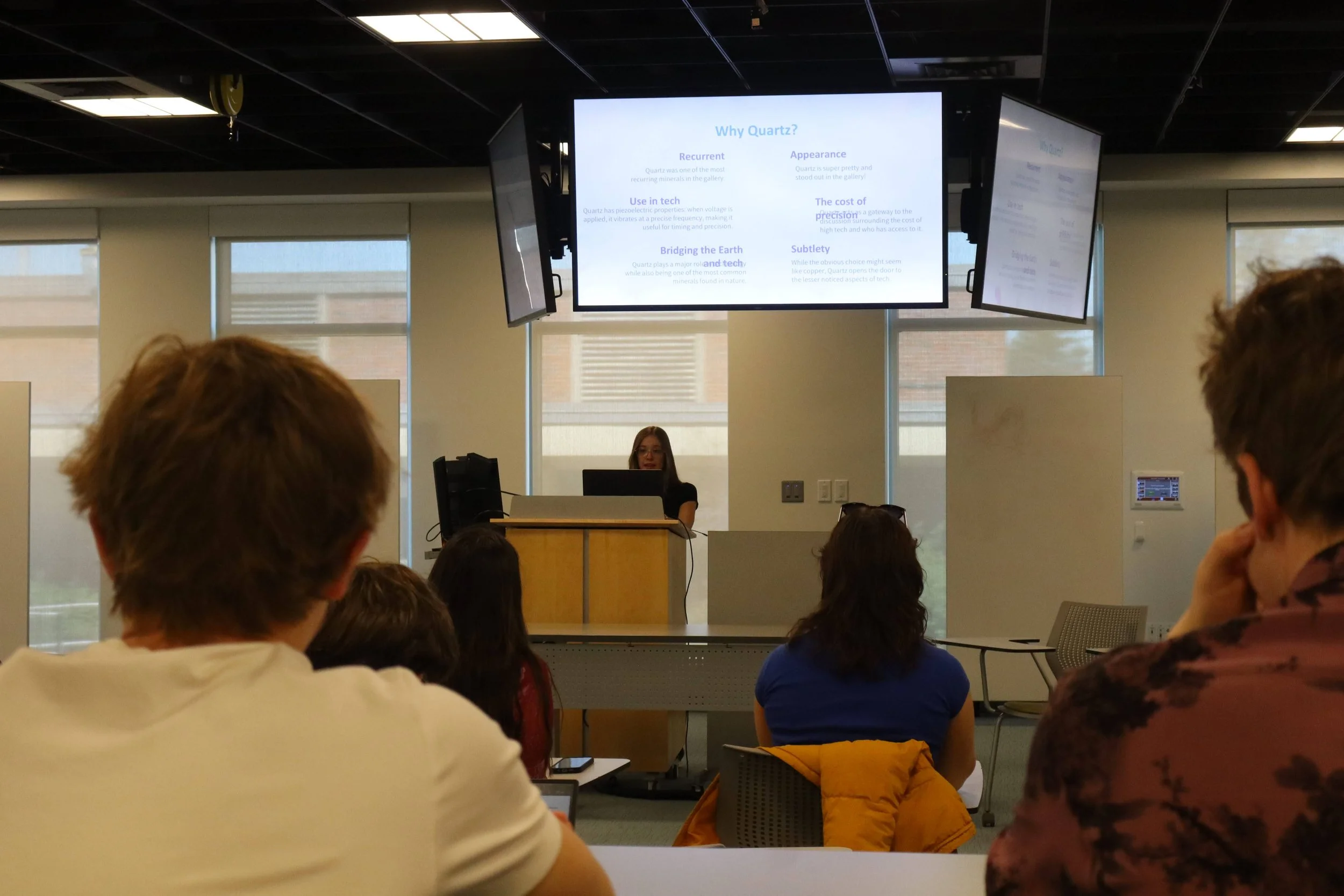
On Monday, April 27th, the TAP Undergraduate Researchers presented the research they have been working on during Spring 2026. TAP Undergraduate Researchers Lyla Barnett, Kimberly Vera, and Kai Martens-Wallace each presented their research to the undergraduate course, ENG 190N - Environment, Climate Change, and the Humanities. Students in the class, faculty, and TAP Graduate Interns participated in a lively discussion prompted by the presentations.
Exploring the Archive: Oral History
The Audrey R. Duckert Quabbin Valley Oral Historical Collection is a series of 53 audiocassettes. The tapes detail the flooding of the towns of Dana, Enfield, Greenwich, and Prescott in Western Massachusetts in order to create the Quabbin Reservoir. The Quabbin Reservoir is the primary water supply for Boston and the greater Boston area, and was created to address a growing water demand in the area. The reservoir supplies water for nearly 3 million people in Massachusetts.
Exploring the Archive: Minerals
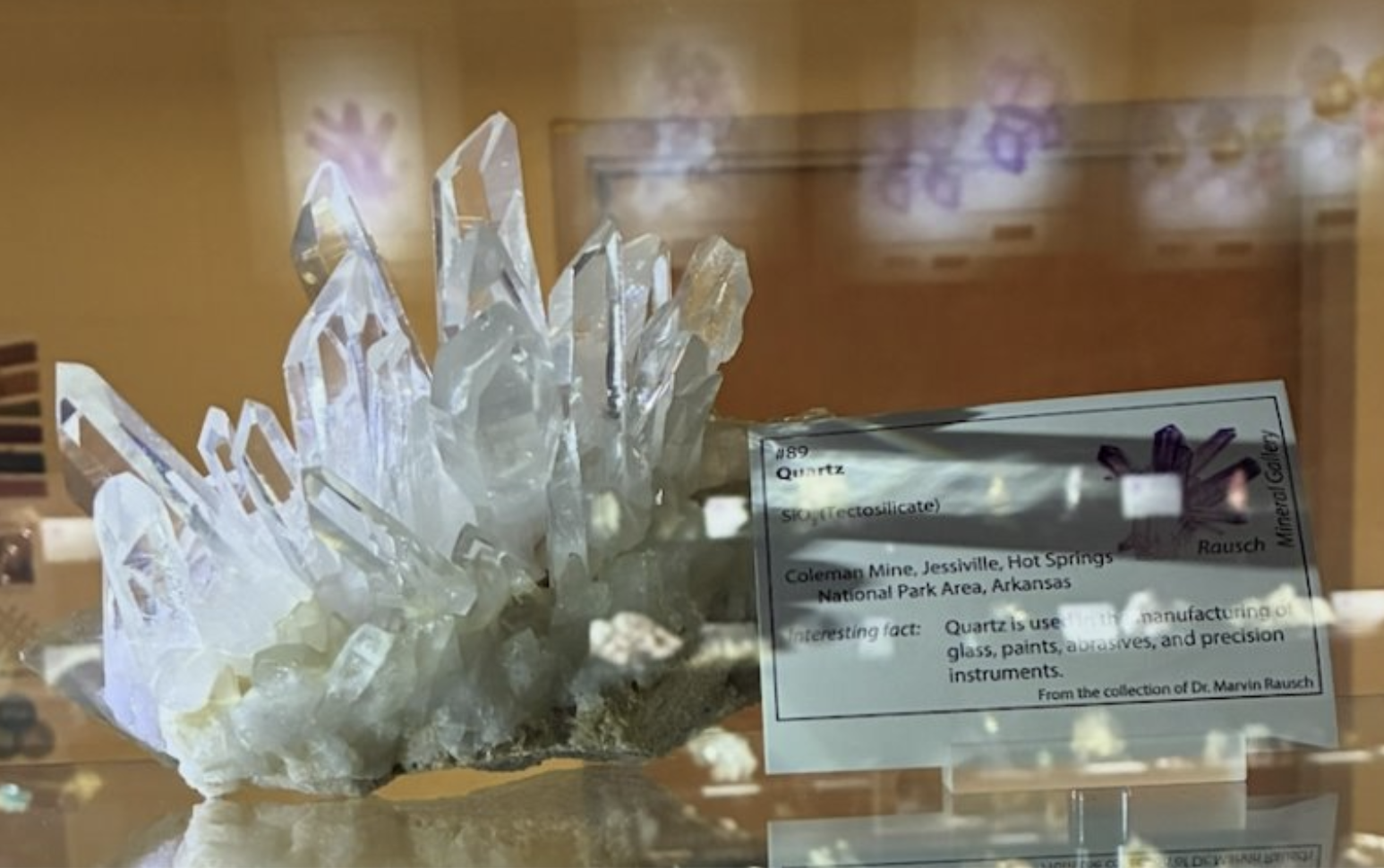
The Rausch Mineral Gallery, while intriguing and deeply enrapturing due to its vast collection of glittering ores, is not, on the surface, somewhere one would go to consider the relationship humanity shares with nature. However, when one thinks more deeply about those ores, the connection is unmistakable. The gallery contains a sample of quartz; its crystalline structure is in a tectosilicate formation, and its chemical compound is SiO2. Quartz is a key component of electronic technology’s timing and precision, since its properties connect to technological sensing and measurement systems. While this connection is relevant to today’s society, the correspondence between Earth’s minerals and humanity goes much deeper in some cultures. Looking at quartz this way also raises a larger question: have minerals always been treated as resources for extraction and control, or have other cultures understood and used them differently?
Exploring the Archive: Herbals and Herbalism
Ideas surrounding herbalism and cultivating from the environment in a sustainable way have been long in the collective consciousness.
Colin Hoag TAP Colloquium: Glasshouse Geographies: The Transnational Theory of Botanical Phantasmagoria
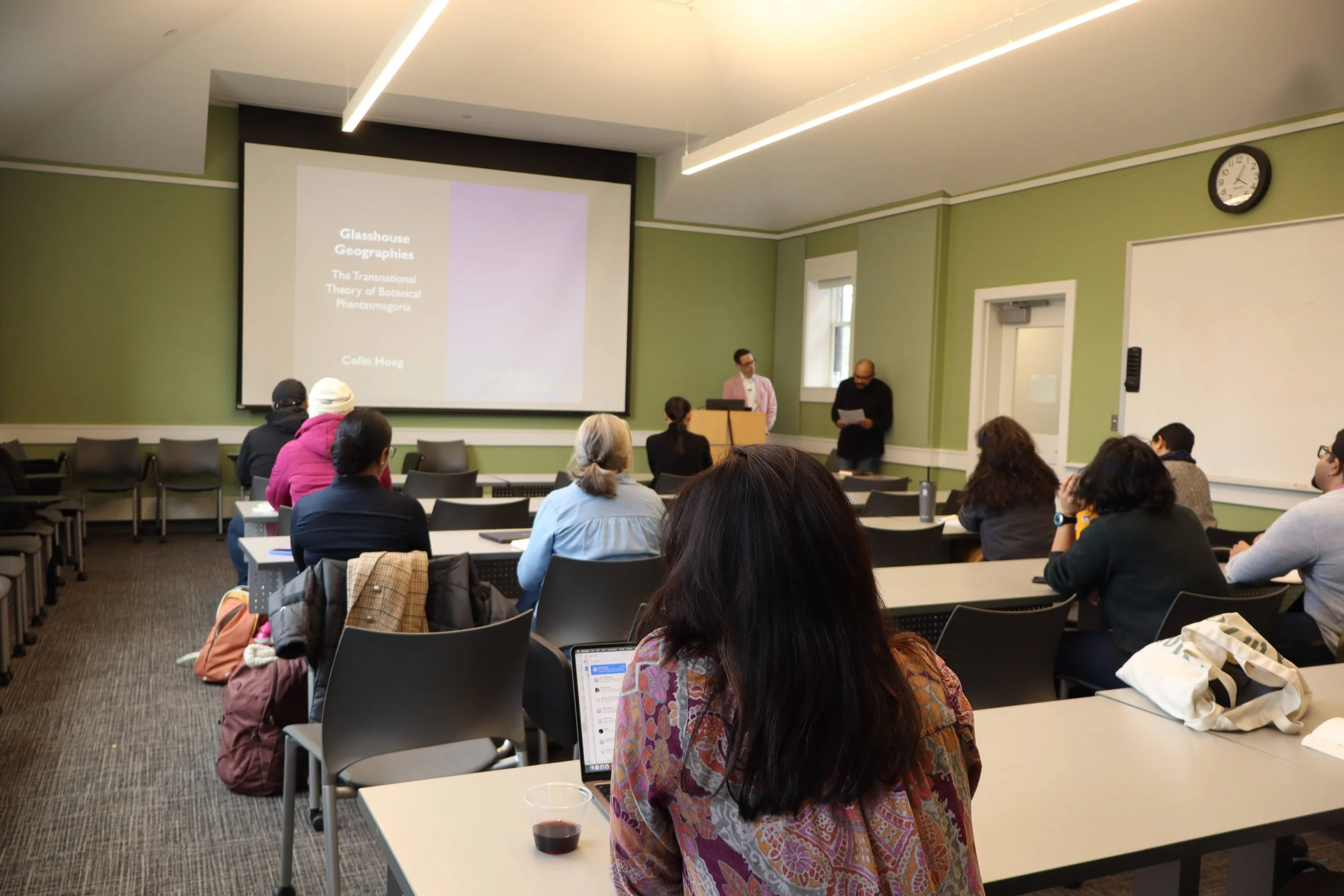
On Tuesday, April 7, 2026, the UMass Amherst English Department welcomed Colin Hoag to campus for a colloquium on his current work
Exploring the Kinney Center
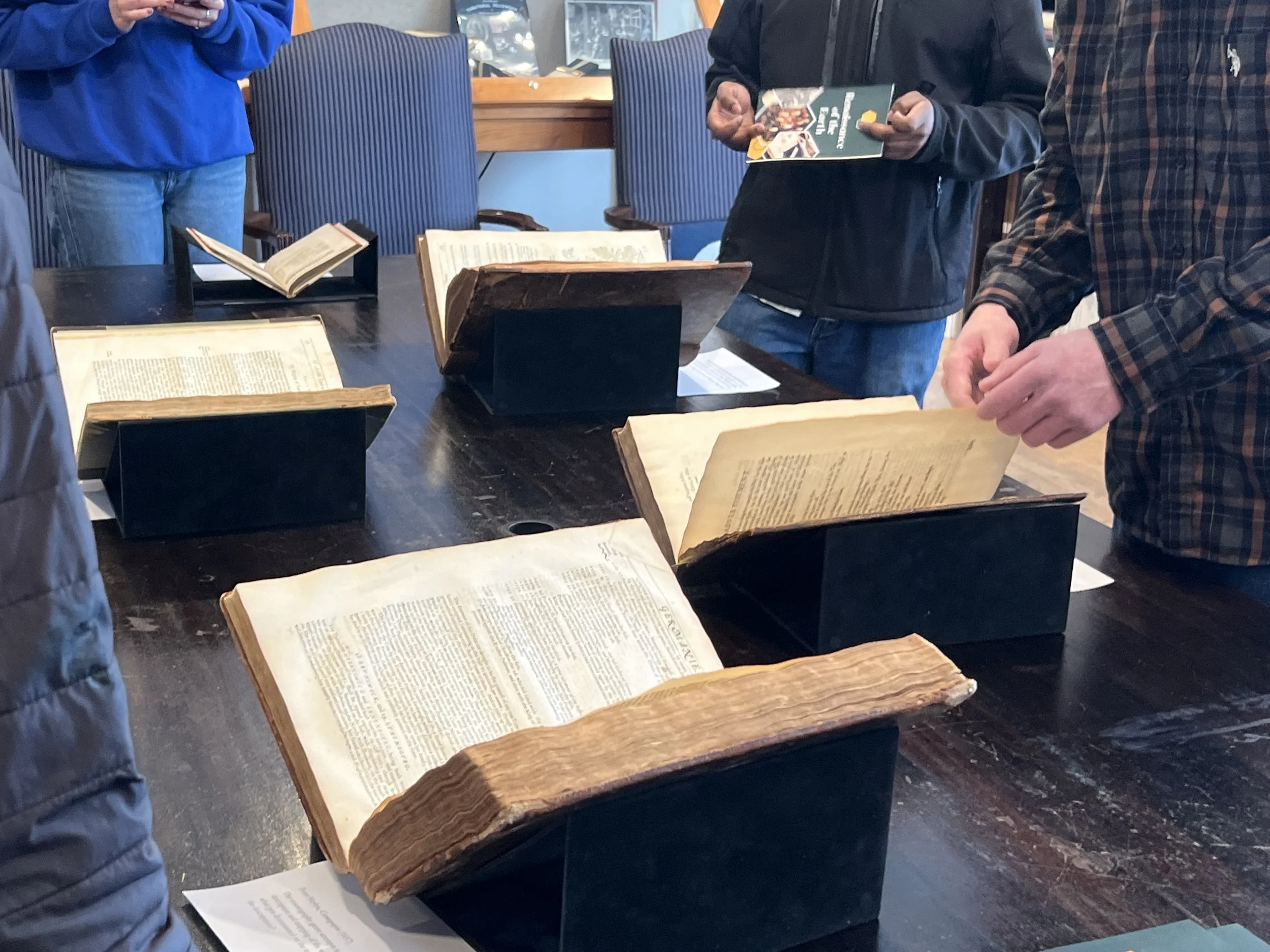
Students of UMass Amherst’s English 190N explored the collections of the Arthur F. Kinney Center for Interdisciplinary Renaissance Studies as part of their mission to learn how and why the humanities plays a crucial role in surrounding questions of ecology, environment, landscape, and weather.