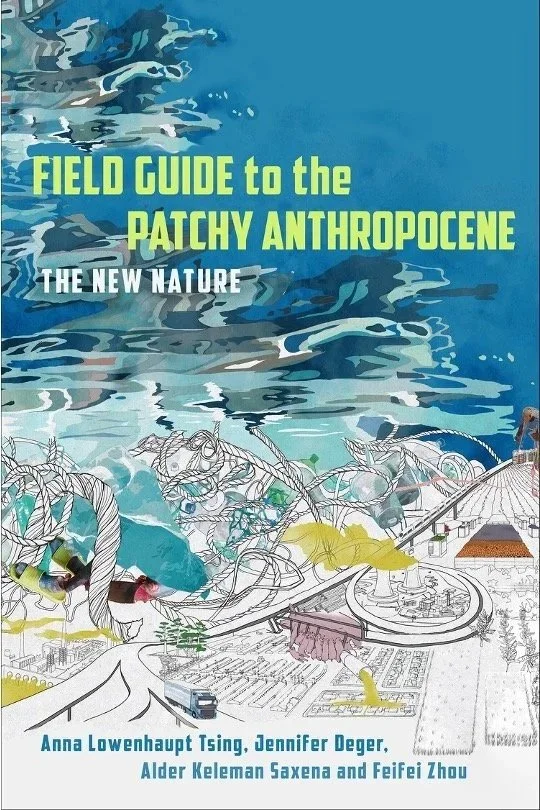
The Earth stands deconstructed as a financialized globe and a technological orb in the Anthropocene. It is the “planet” to be “saved” according to climate action narratives. TAP emerges from an understanding that hegemonic sustainability sciences, green capitalism, and industry-led energy transition narratives often bypass the cultural glue that historical conceptions and indigenous, pre-modern epistemologies of the earth have made the planet a safe, habitable, and thrivable commons.
-
It asks: how might we re-imagine the earth as the construction of cultural imaginaries instead? What political potentialities emerge when we deconstruct techno-futuristic visions of the earth and reimagine superintelligence as cultural wisdom: the earth as common wealth? To reconstruct lost world views requires humanistic interference in sustainability paradigms and humanistic engagement with the art(e)facts by which we come to know, understand, and inhabit the earth. TAP charts a way forward.
An artefact traditionally means something made by human hands — the opposite of naturally occurring phenomena or materials. The Anthropocene is the geological epoch defined by human making at planetary scale. So, the Anthropocene is, in a sense, the era when artefacts stopped being the exception and became the substrate on which human history unfolds. We could argue that humans now live inside an artefact, an anthropogenically modified Earth.
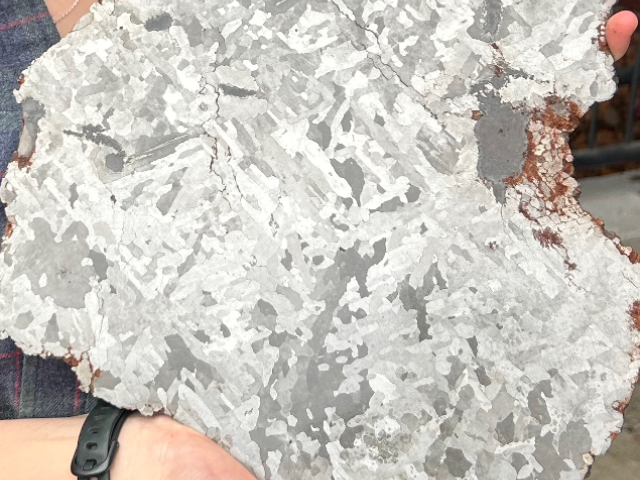
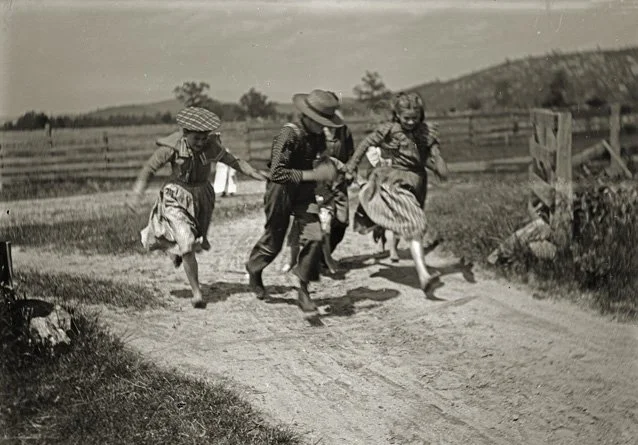

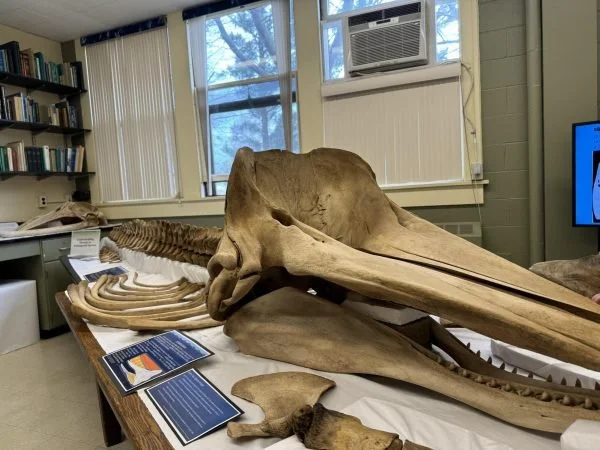
Classical archaeology treats artifacts as passive evidence of past human life. But in Anthropocene thinking, artifacts become active — microplastics in bloodstreams, CO₂ molecules trapping heat, pharmaceutical compounds reshaping river ecosystems. The artifact isn't just a record of human agency; it extends and mutates that agency across time and space far beyond intent.
Artifacts used to decay faster than geological processes. A bronze sword rusts; a clay pot crumbles. The Anthropocene inverts this: plastic polymers, synthetic chemicals, radioactive waste outlast almost everything we deliberately try to preserve. Our trash is more durable than our monuments. The half-life of plutonium-239 is 24,000 years. The persistence of that artifact mocks the idea of geological time as a great eraser of things humans once made.
Artifacts imply human creators and makers. But the Anthropocene implicates billions of people across generations, most of whom never chose to be geological actors. It also implicates systems — capitalism, colonialism, industrial metabolism — that no individual designed. Who is the author of the Anthropocene artifact?
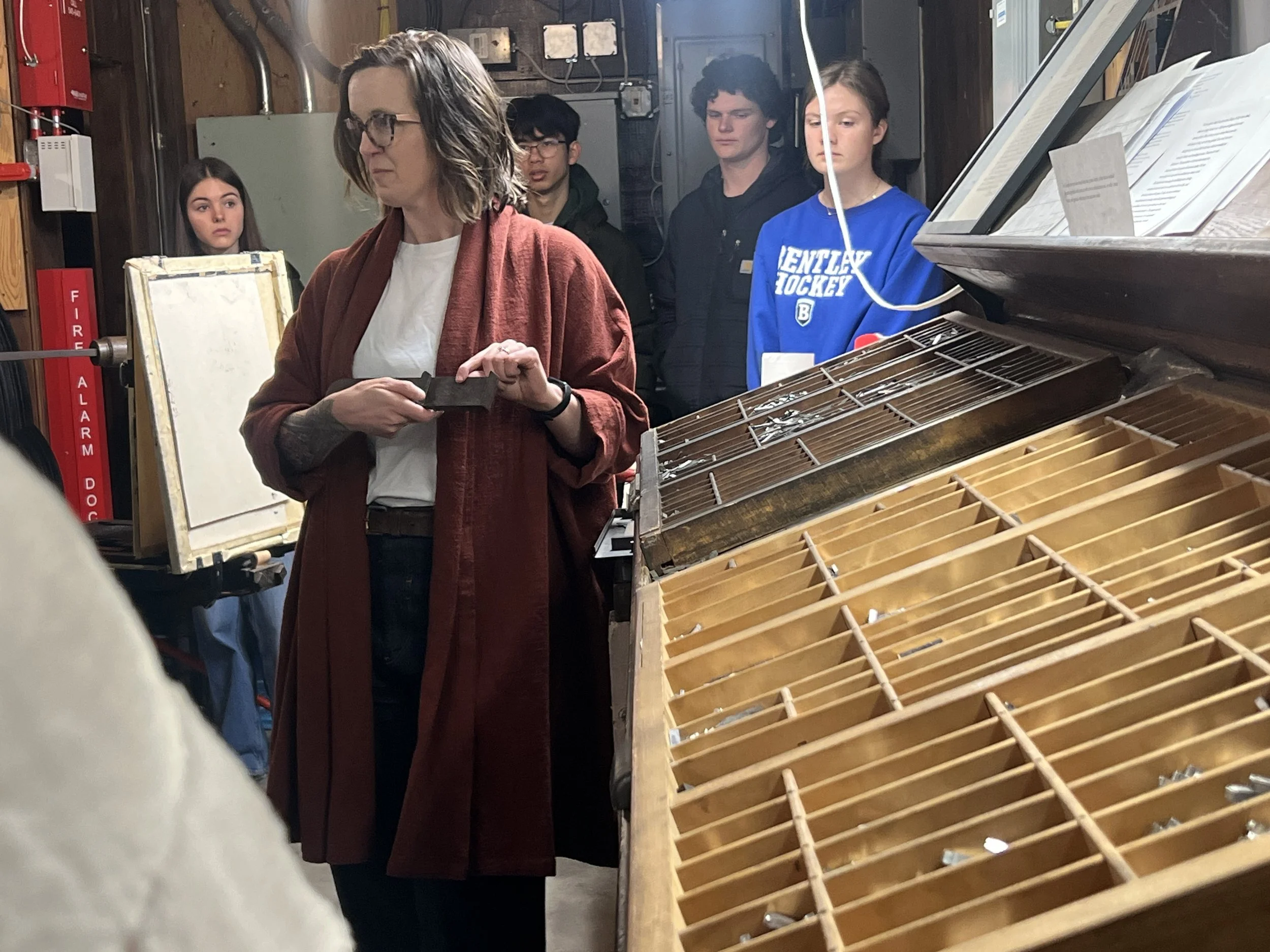
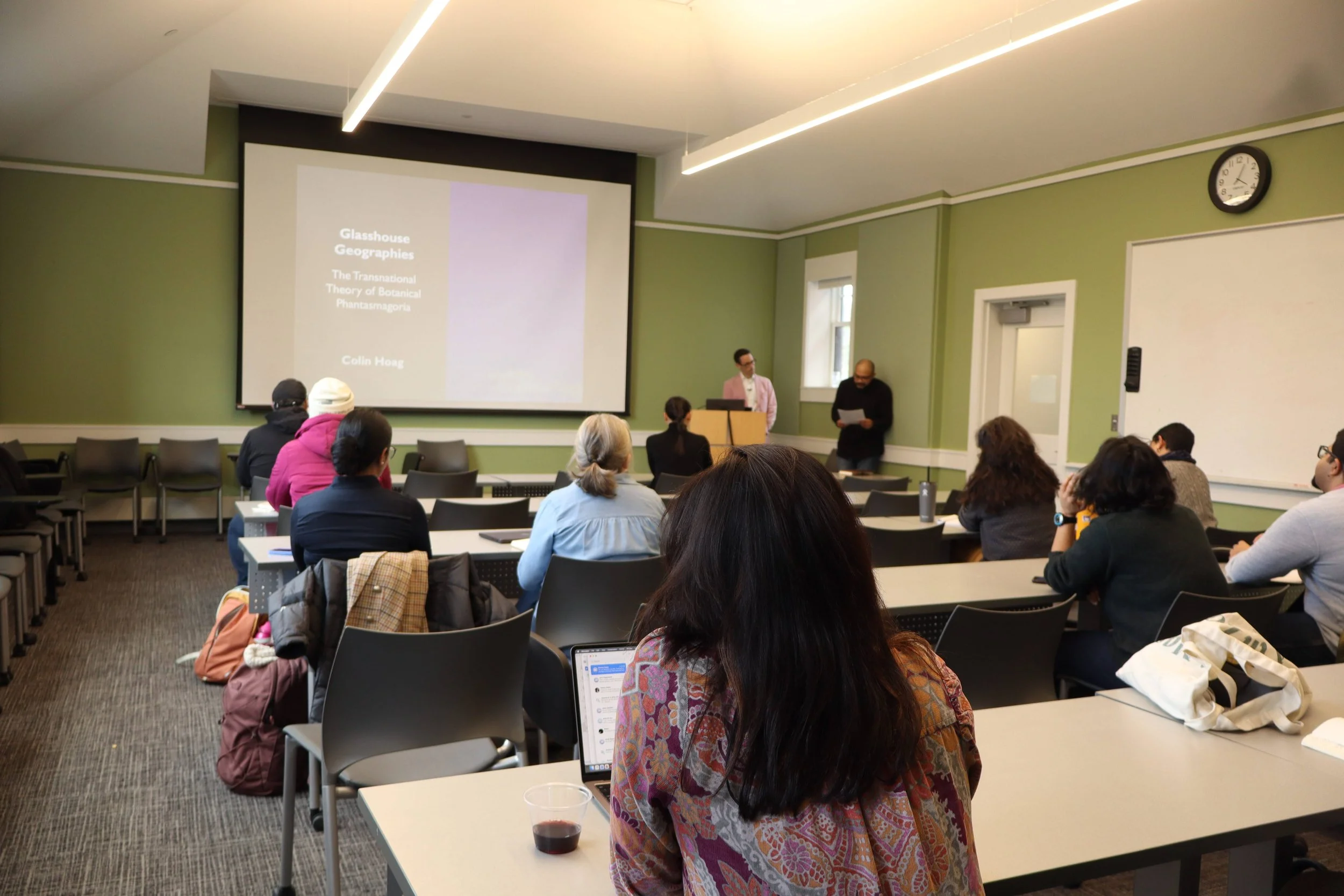
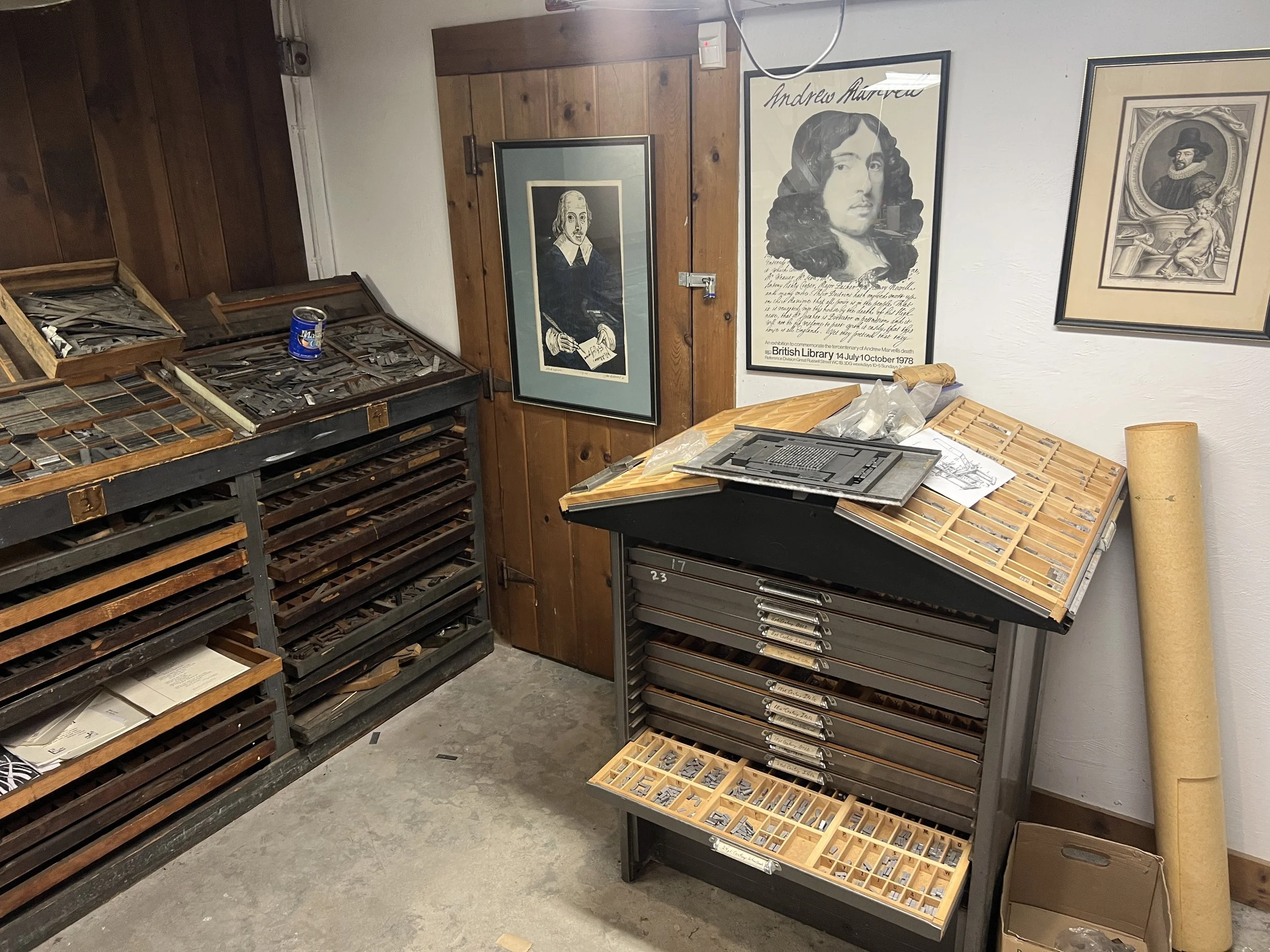
Archives
-
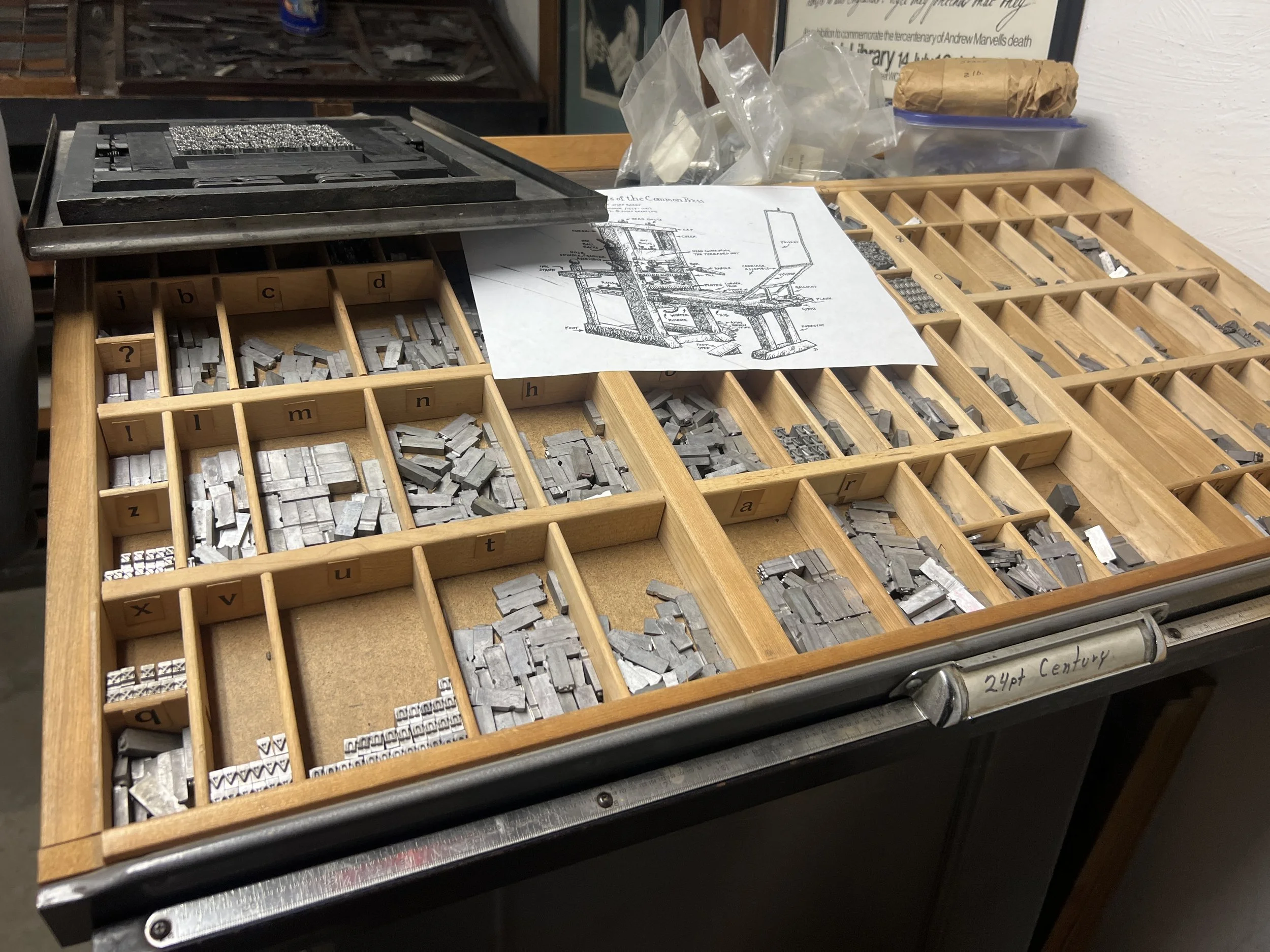
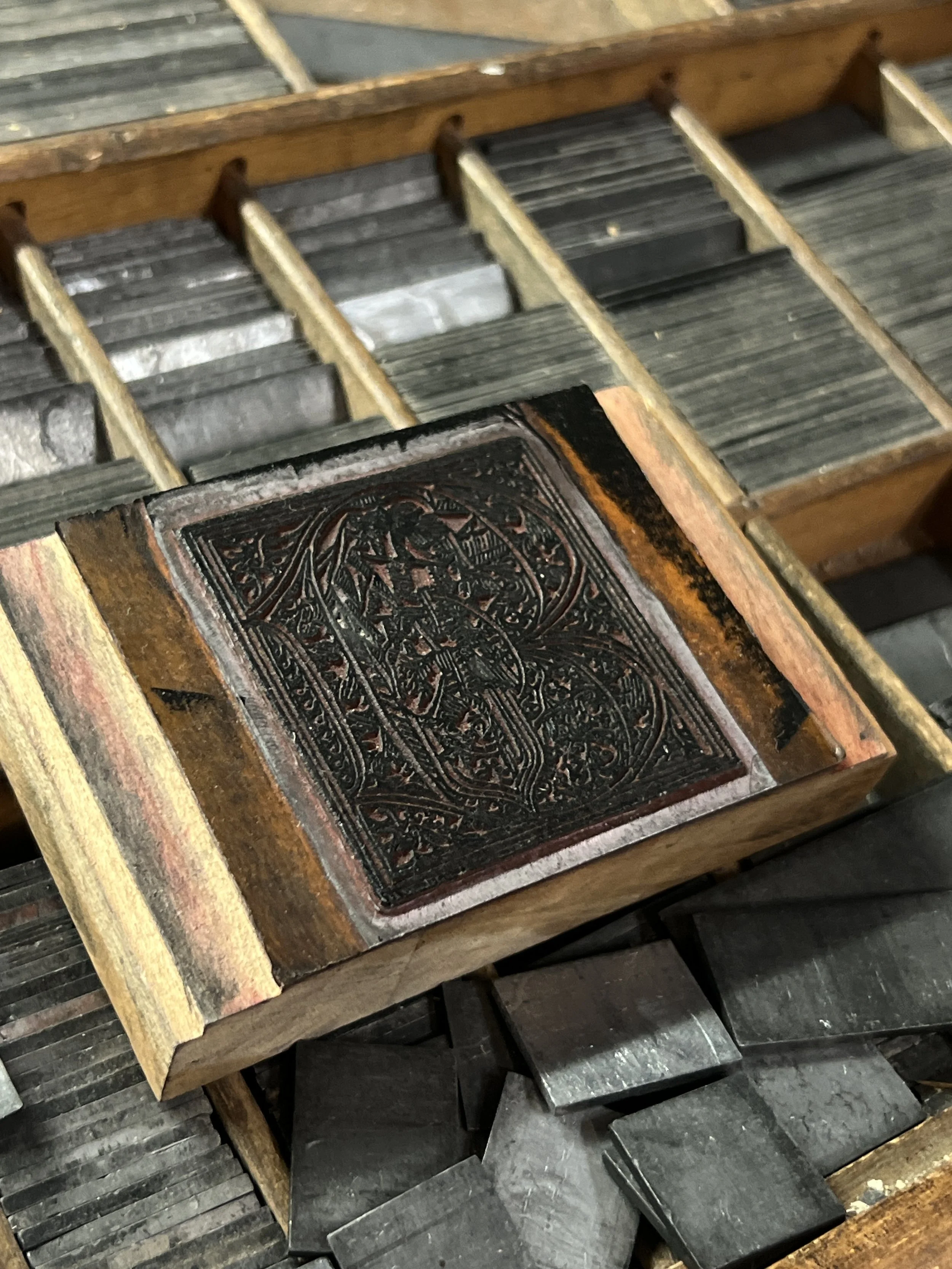
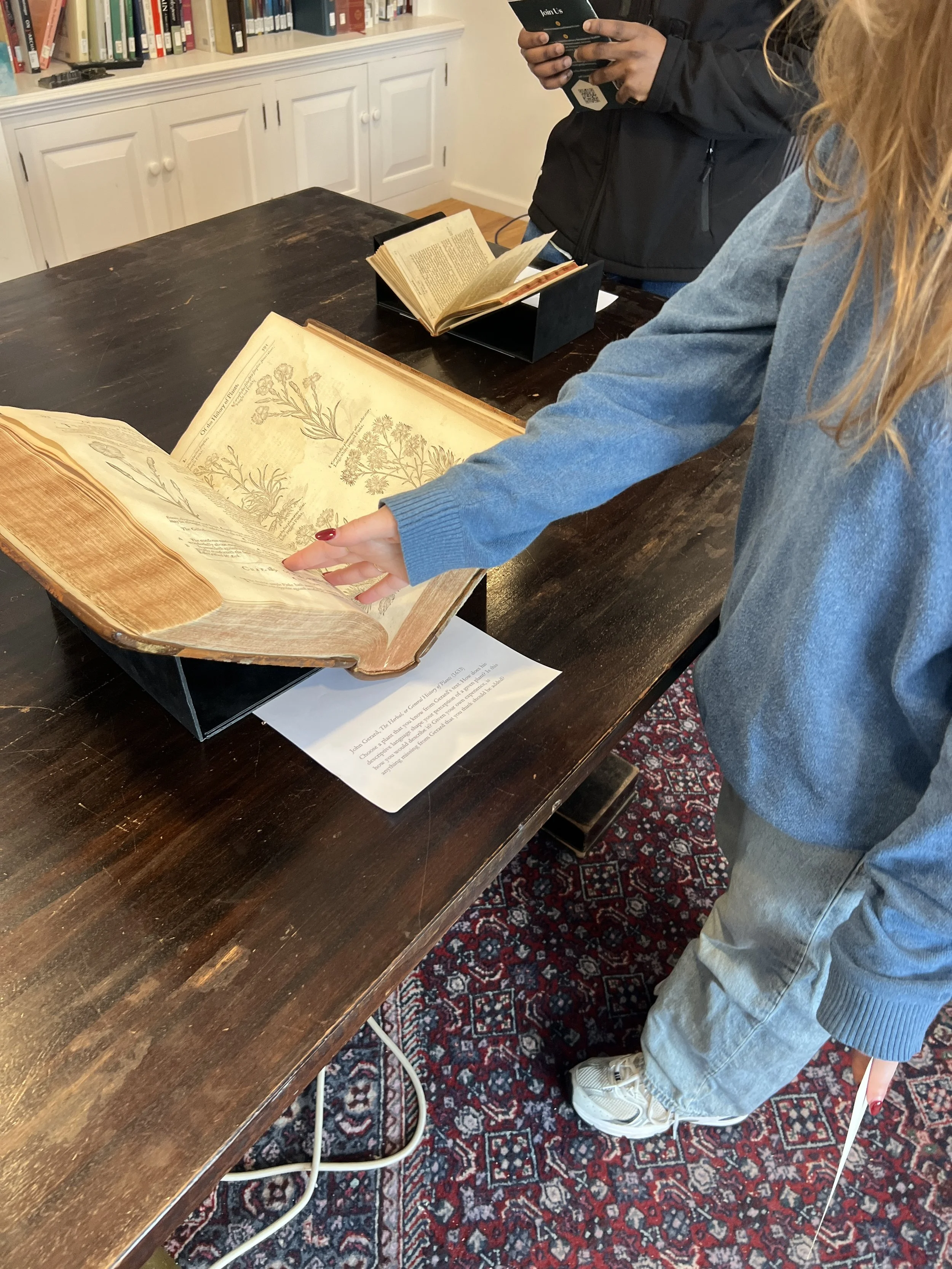
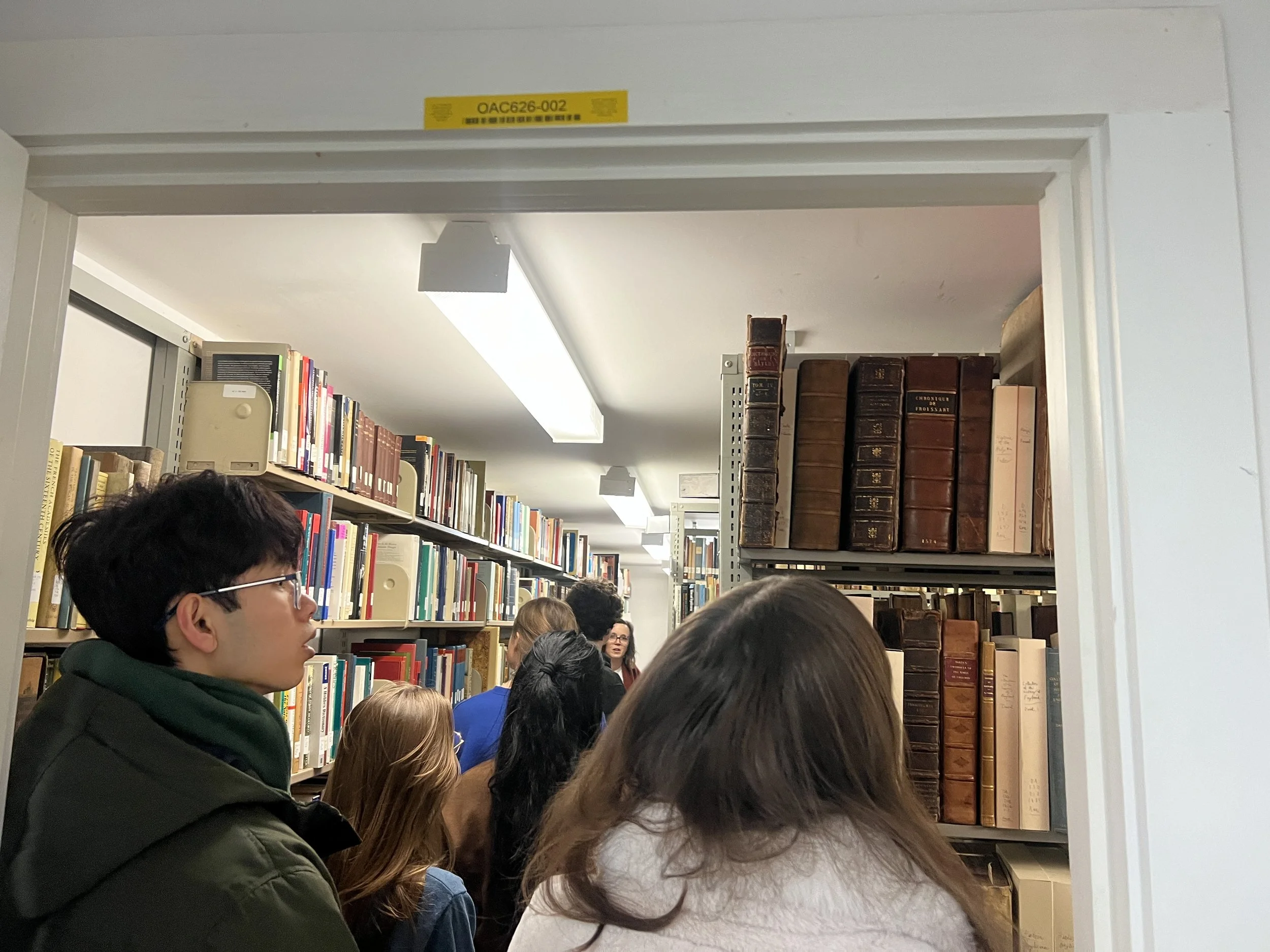
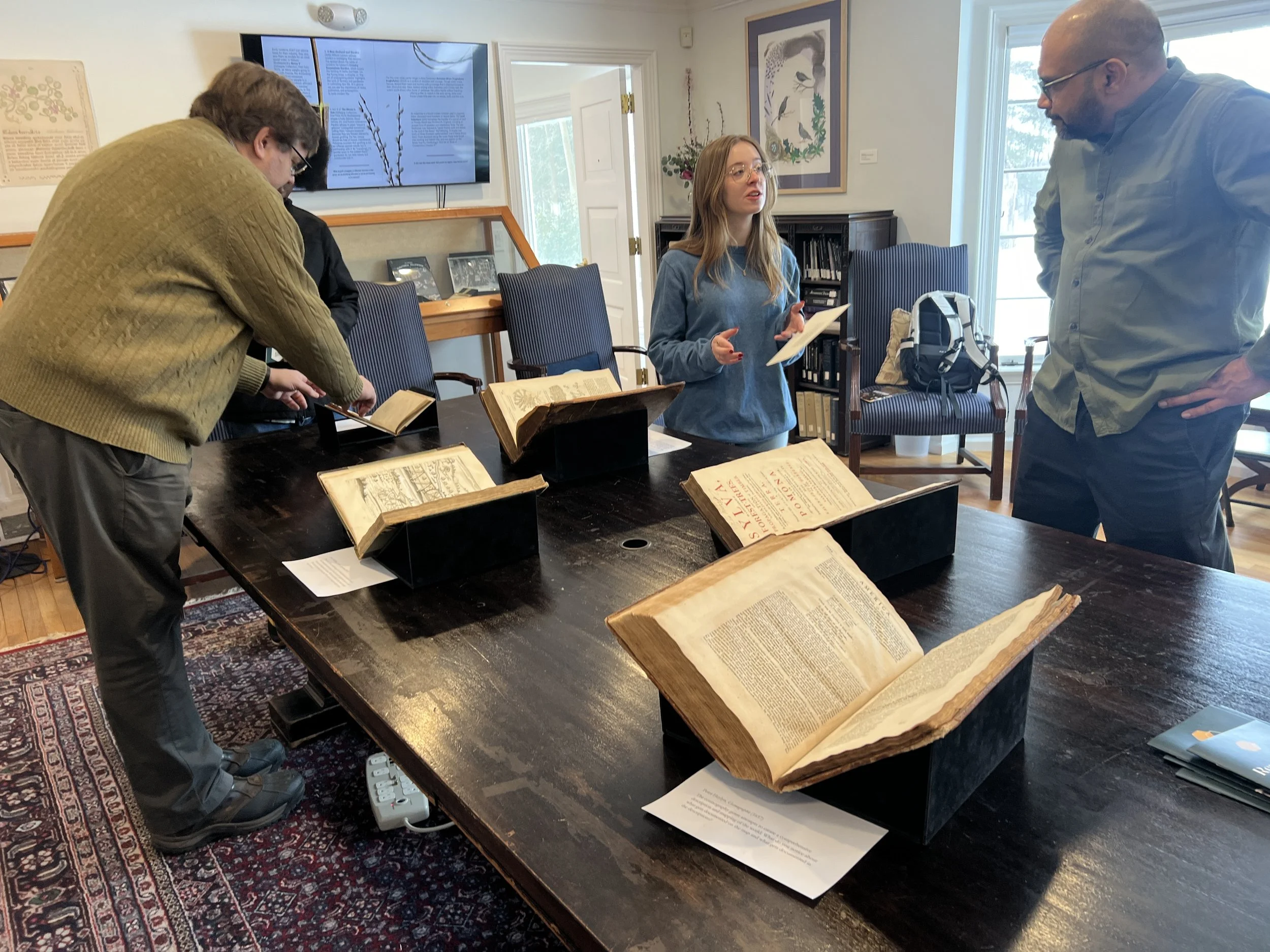
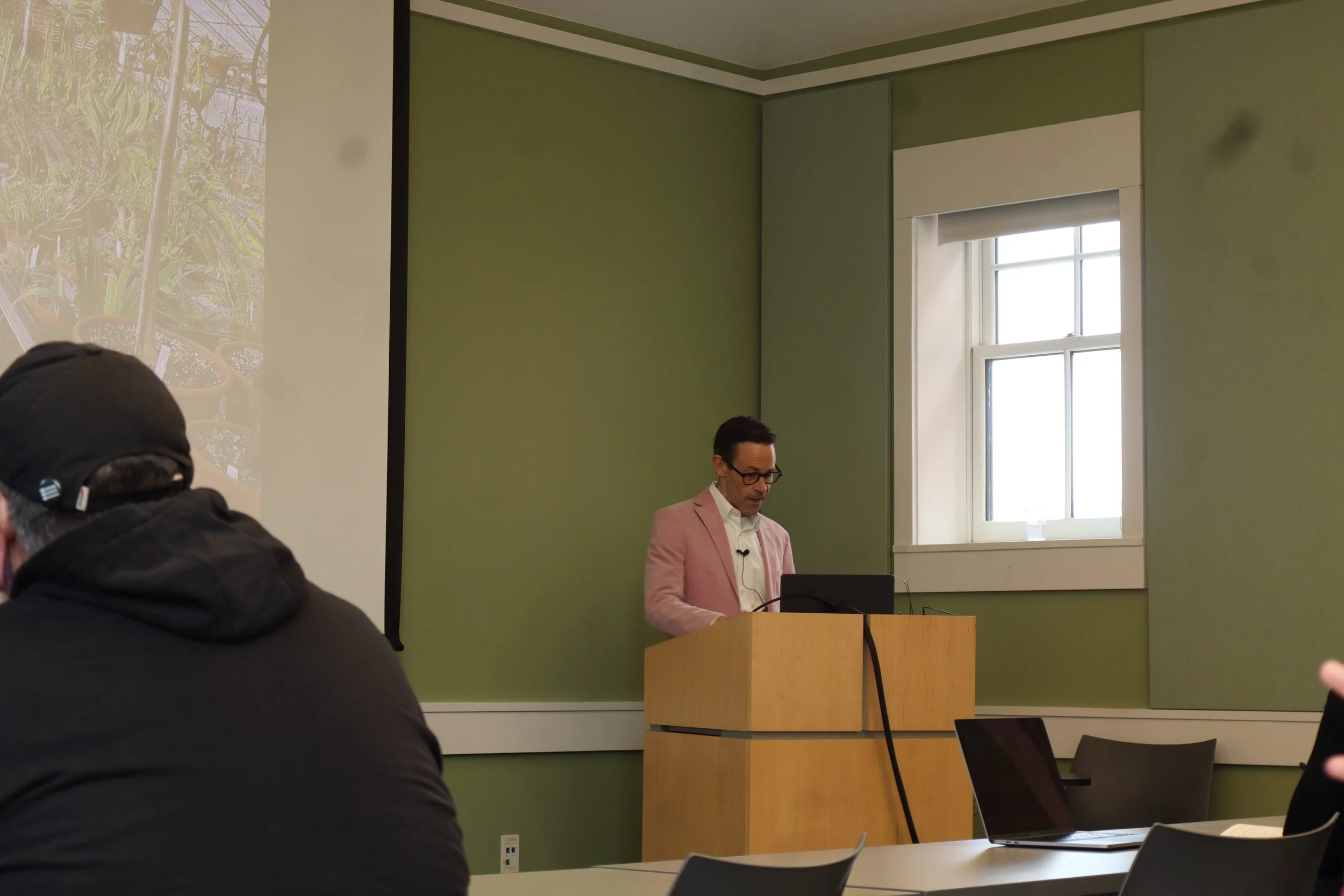
The Kinney Center for Interdisciplinary Renaissance Studies advances fresh research in the early modern humanities by cultivating cultures of collaboration. Their mission is to develop and promote multicultural, diverse, relevant, and timely programming that fosters the best of interdisciplinary engagement in the humanities. Both a research center and library, the Center is home to manuscripts, rare books, and monographs, sponsored lectures, seminars, conferences, community classes, theater, and concerts. Visiting professors, post-doctoral scholars, artists-in-residence, and researchers enrich the global network of their community.
-
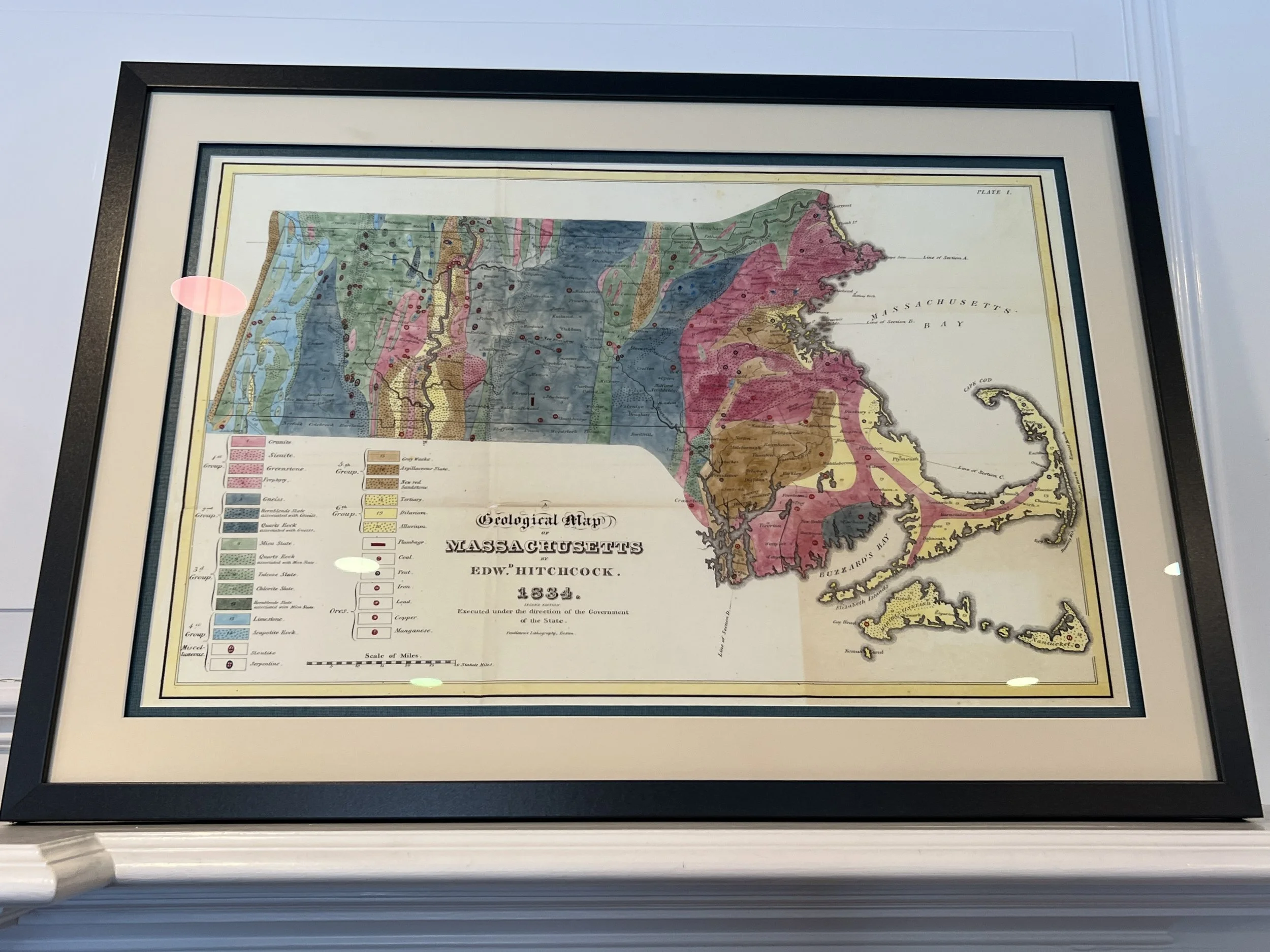
The Rausch Mineral Gallery is a one-room space for viewing the collection of over 250 minerals held by the University of Massachusetts Amherst.
-
The Robert S. Cox Special Collections & University Archives Research Center (SCUA) is a center for research into the history and impact of social change and the history and cultures of New England. Located in the DuBoise Library on the University of Massachusetts Amherst campus, SCUA houses approximately 40,000 rare books, hundreds of thousands of photographs, and nearly 45,000 linear feet of archives, including nationally significant manuscript collections and the official records of the University of Massachusetts Amherst.
-
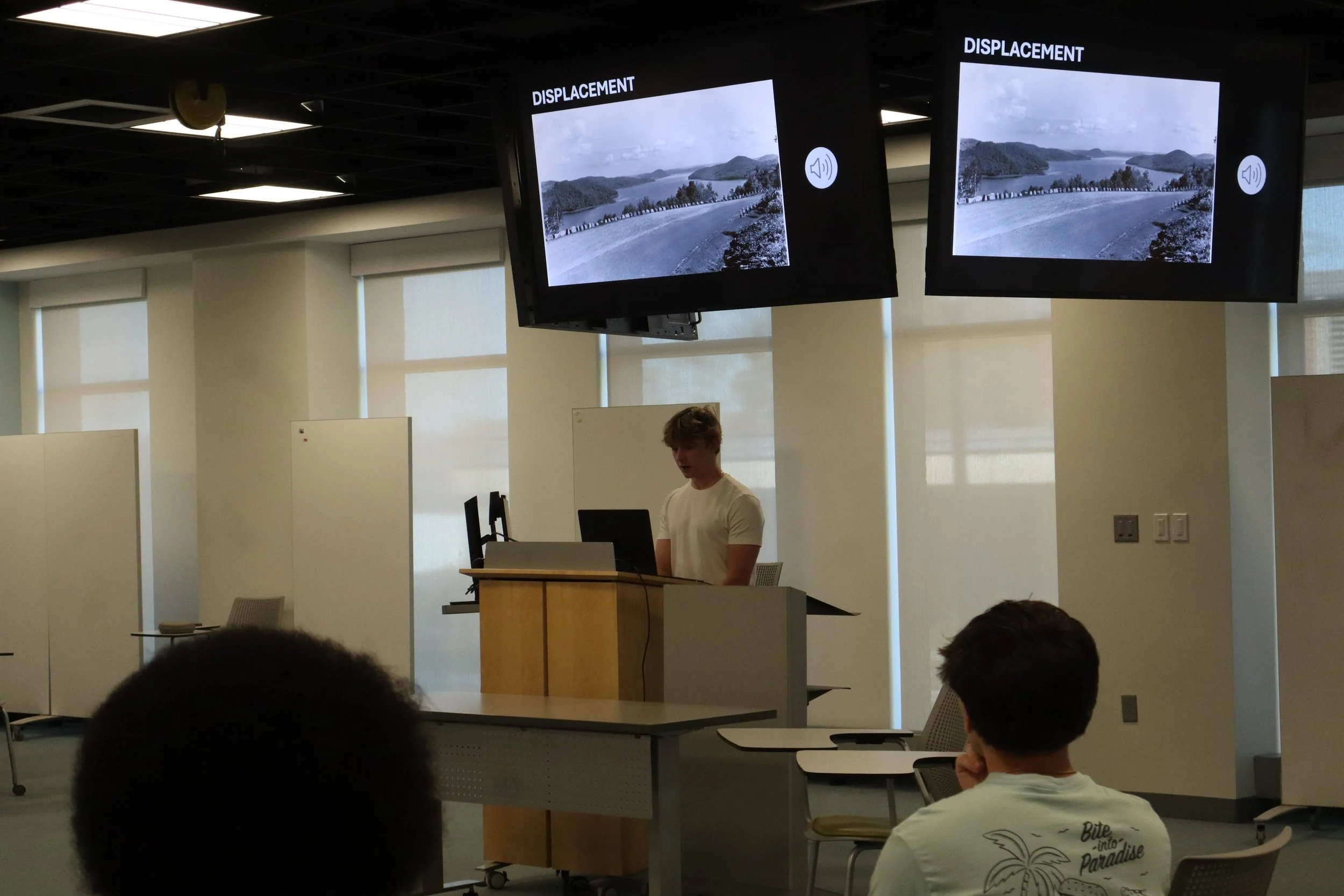
The Audrey R. Duckert Quabbin Valley Oral History Collection consists of 53 audiocassettes containing interviews with persons displaced when the Swift River Valley was flooded to create the Quabbin Reservoir.
-
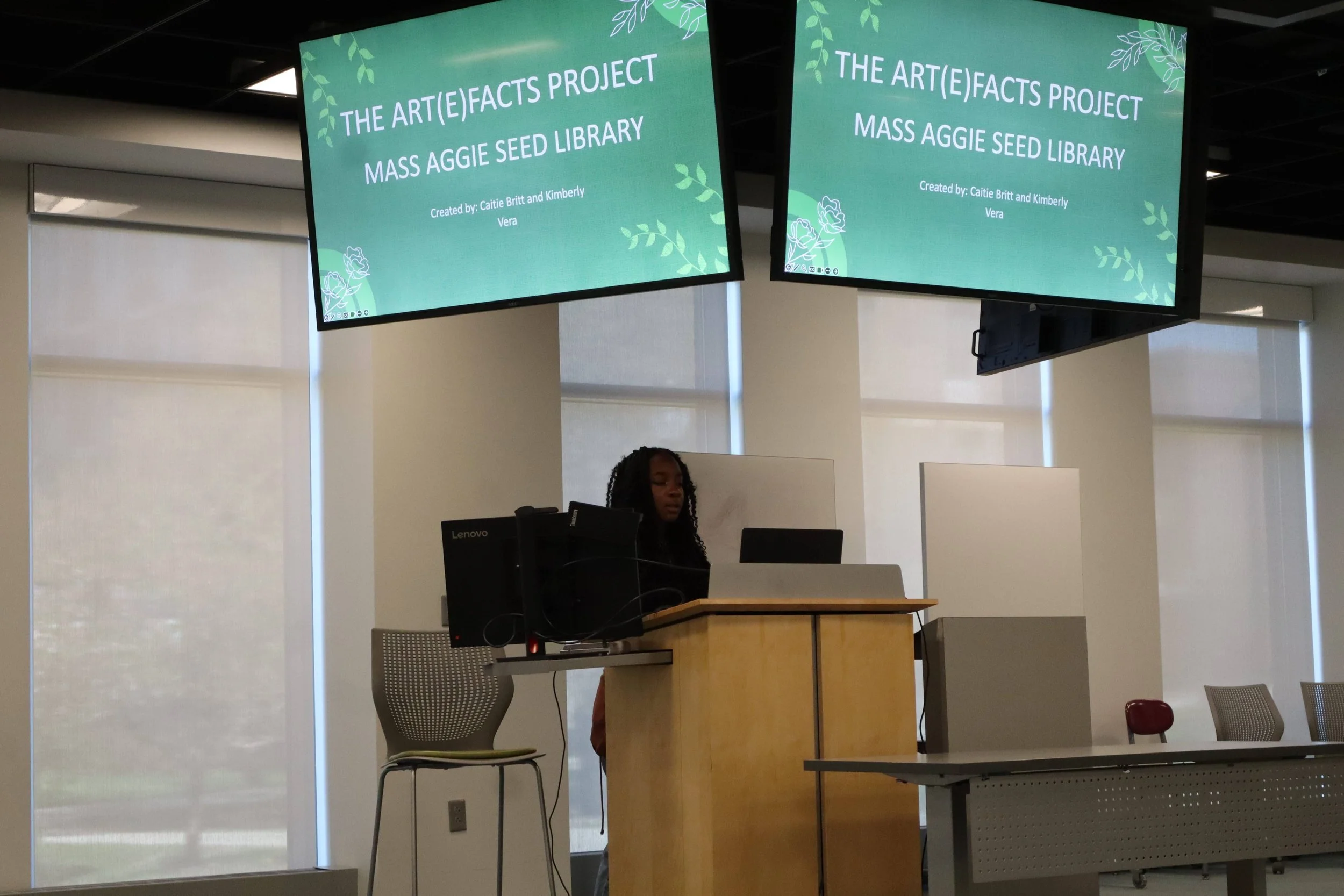
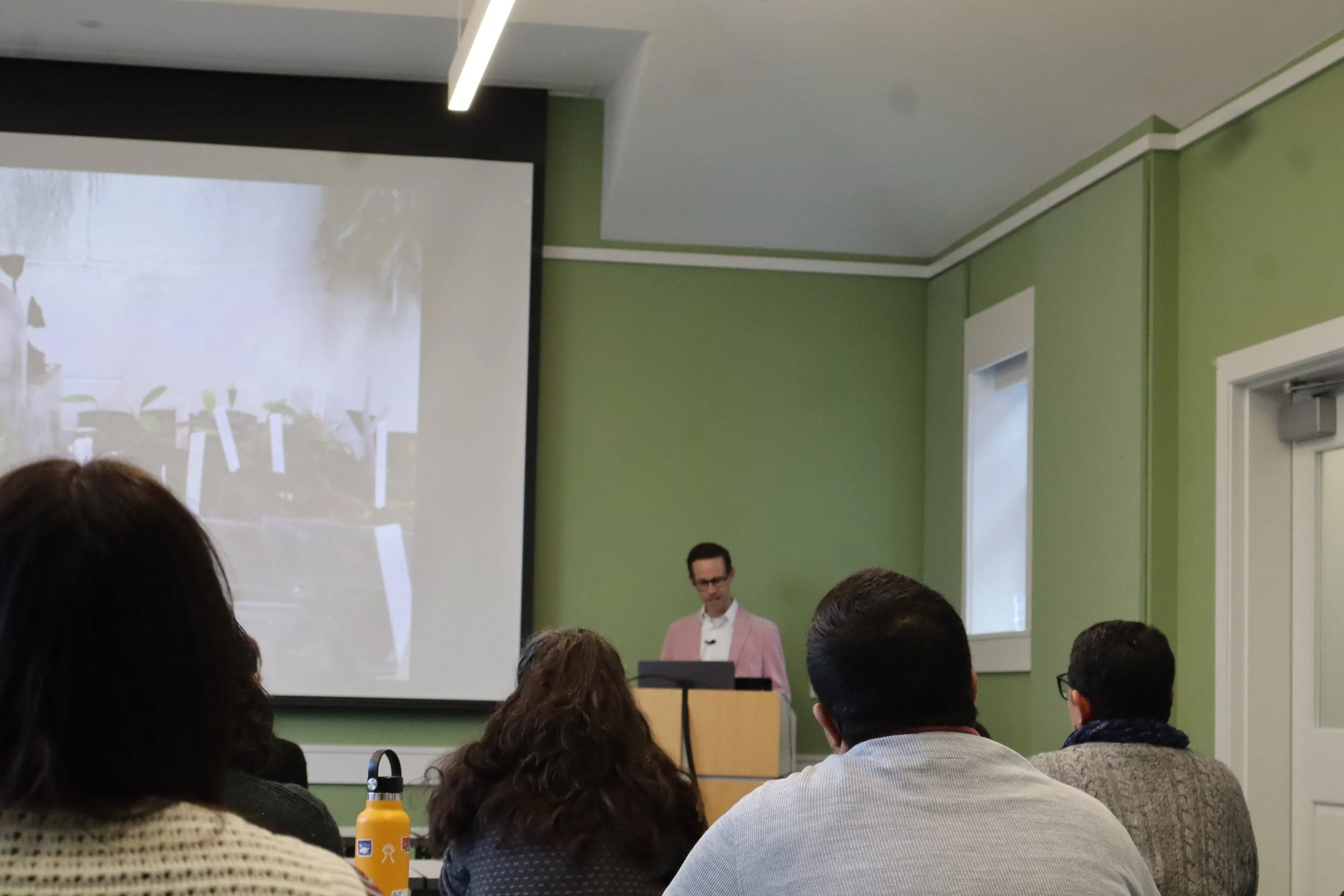
The Mass Aggie Seed Library, located within the University of Massachusetts Amherst Science & Engineering Library, is open for all to use on a self-service, non-mediated basis where you can check out and donate seeds. The Mass Aggie Seed Library also provides rotating exhibitions on the world of seeds.

SEEDS
SOUNDS
MANUSCRIPTS
MINERALS
Literature, Environmental History, Journalism, Cultural Anthropology, Environmental Narrative Scholarship, Geo-Sciences, Data Management, Data Analytics, Machine Learning, Artificial “Intelligence”
Environmental Humanities
Postcolonial & Decolonial Studies
Connect the Dots
Renaissance Studies
Books to Explore