Events
SEEDS, SOUNDS, MINERALS, MANUSCRIPTS
A seed sits at a peculiar boundary. It is biological, cultural, historical, and potentially future-bearing all at once. Is it an artefact, ie., human-made? Well, the seeds in the library have been selected, saved, named, communally traded, and institutionally housed — but they are also alive and will transform when planted. This makes seeds a different kind of object than a manuscript or a mineral, and thinking through that difference is genuinely productive for The Art(e)Facts broader argument about the commons.
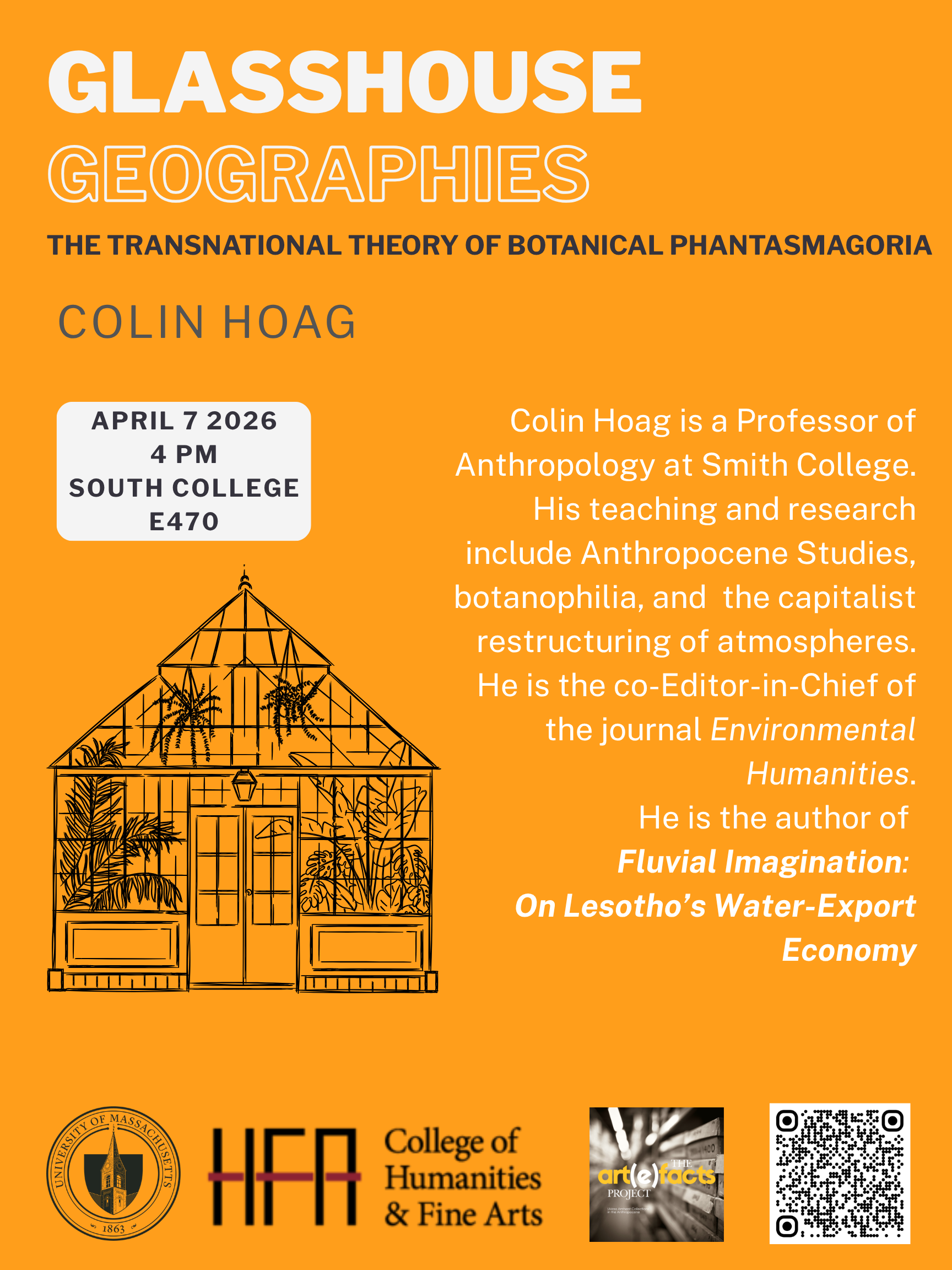
Glasshouse Geographies: The Transnational Theory of Botanical Phantasmagoria
Colin Hoag is a Professor of Anthropology at Smith College. His teaching and research include Anthropocene Studies, botanophilia, and the capitalist restructuring of atmospheres. He is the co-Editor-in-Chief of the journal Environmental Humanities. He is the author of Fluvial Imagination: On Lesotho’s Water-Export Economy.
Marvel at Seeds
Examine the Trees
Visualize the Forest
Speculate the Future
Presentation - Sunday 1 March 2026 @3pm
Science & Engineering Library
The accompanying presentation provides a deeper look at the microscopic world of seeds and highlights their longevity, explaining how archaeologists study seeds from hundreds or thousands of years ago to learn more about the role of plants in human societies of the past. In this presentation, Dr. Marston will discuss the archaeological methods used to recover and identify ancient seeds, and the role of modern seed collections in that process. Several images from the exhibit will be discussed in greater detail to explain the amazing features of these seeds visible microscopically. See more here
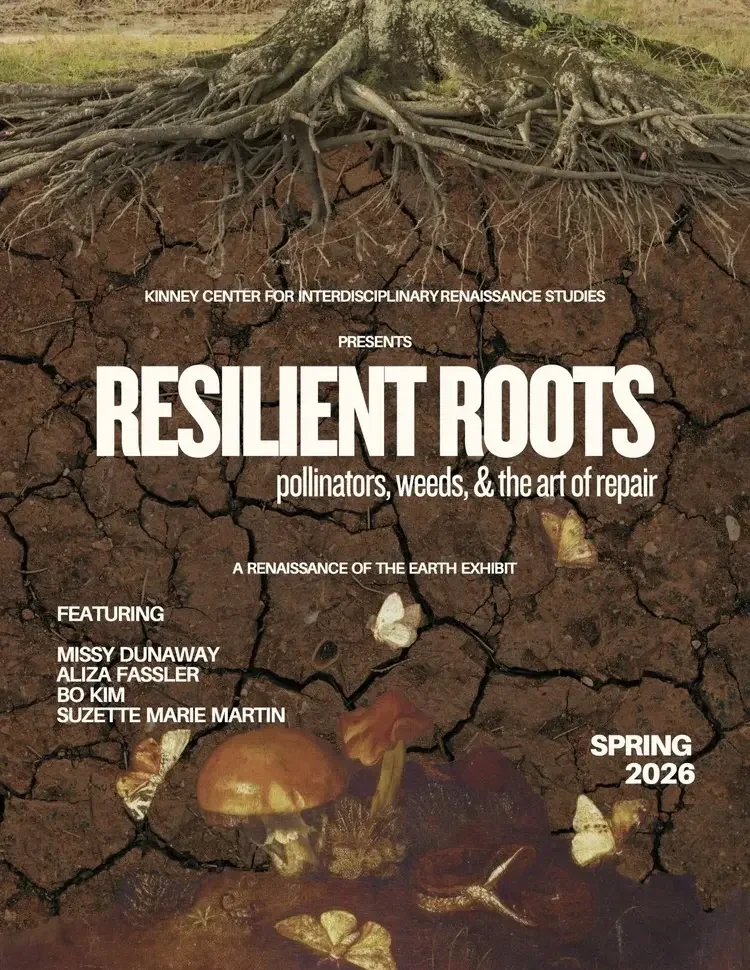
Opening Reception Resilient Roots: Pollinators, Weeds, & the Art of Repair
Saturday, February 28, 2026 — 1:00 PM 3:00 PM
Kinney Center for Interdisciplinary Renaissance Studies, 650 East Pleasant Street, Amherst, MA
This exhibit explores the powerful, often overlooked connections between the earth’s most persistent plants and the creatures that sustain them. This group show, featuring work from Artists in Residence and current RoE Fellows, highlights the vital role of pollinators—bees, butterflies, birds,—in nurturing ecosystems, while celebrating the resilience of “weeds” and medicinal plants that have adapted, persisted, and transformed across centuries. By juxtaposing botanical and pollinator specimens with original art and interactive experiences, the exhibit reveals how these persistent species (long categorized as nuisances) hold knowledge of survival, regeneration, and balance that resonates today, as ecosystems face escalating pressures from climate change and human intervention. “Resilient Roots” invites visitors to reconnect with the natural world and consider how insights from the early modern world—its plant lore, ecological observations, land management practices, and human/nonhuman relationships—can inspire new ways to repair and restore the fragile environments that sustain us all.
Featuring work by Missy Dunaway, Aliza Fassler, Bo Kim, and Suzette Marie Martin.