The Costs of Climate Change: Reflections from COP 29
Sam Oppedisano
December 13, 2024
In 2025, this project won the UMass Amherst Undergraduate Sustainability Research Award. Find more about this award here (opens external tab).
Introduction
Among the many regressive climate policies President Trump has implemented, the so-called Department of Government Efficiency’s elimination of USAID creates a massive gap for climate financing for populations in desperate need. The USAID raised $16.7 billion in climate financing in 2023 through public and private sources, and since public climate funding acts as a catalyst for private investment, this cut will impact a large portion of America’s financing for communities facing immediate disaster.
In this paper, I will argue that our financialized system of addressing climate fails to empower populations in greatest need and fails to address economic, infrastructural, and ecological inequities from colonialism. I will explore how institutions like the carbon market, leveraged climate finance, and home insurance affect millions of people and how economic or colonial status determines one’s exposure to climate related risk and damage.
Across the global south, climate damage and natural disasters threaten communities like the Wayuu People in Northern Columbia, where a combination of rapid droughts and floods and neoliberal economic policies have forced many to migrate away from their traditional homes. The incomprehensible human suffering in the global south, especially in indigenous communities, demands that we reexamine how our current instruments for climate finance function and perpetuate inequality.
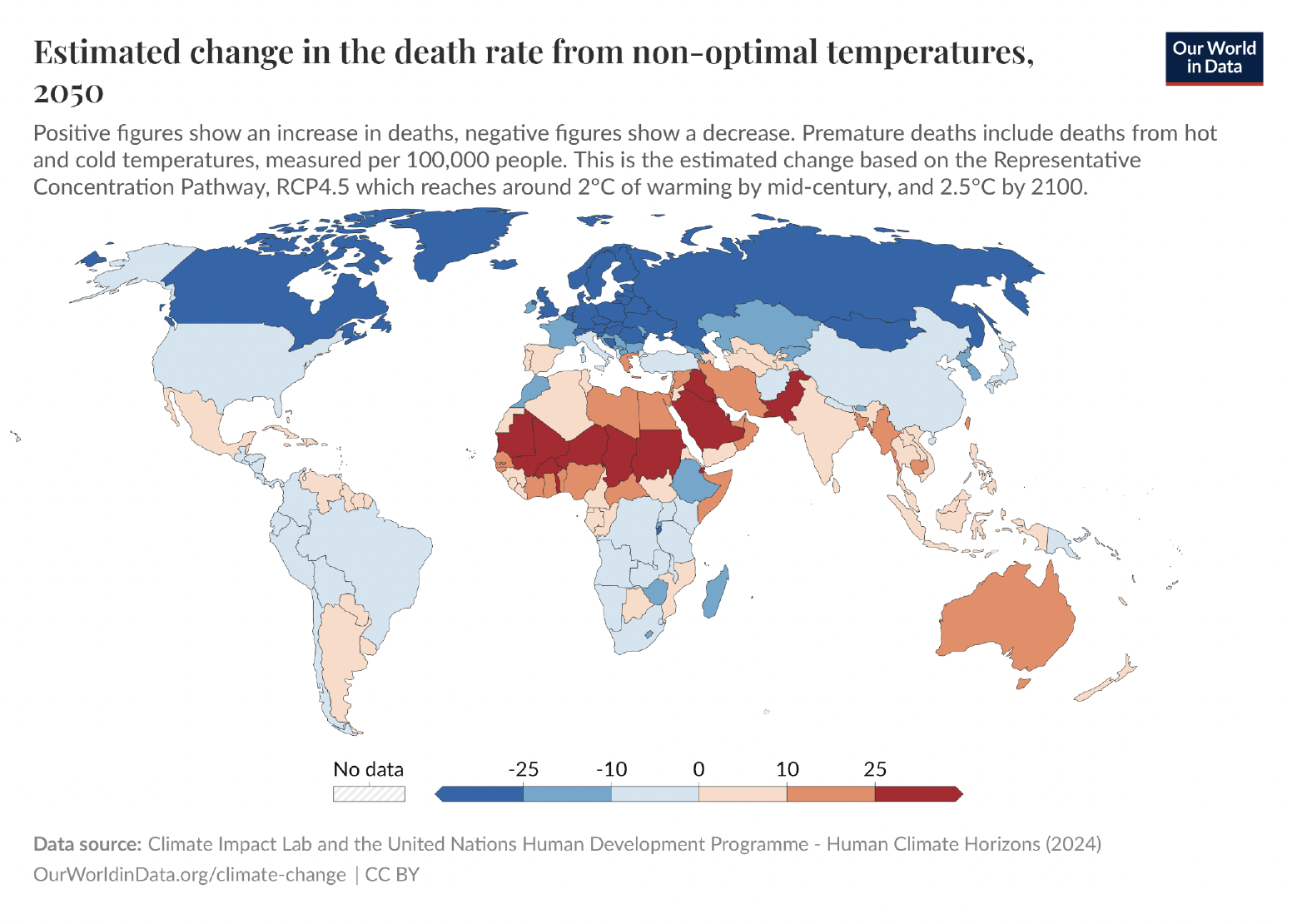
Figure 1
International Climate Finance
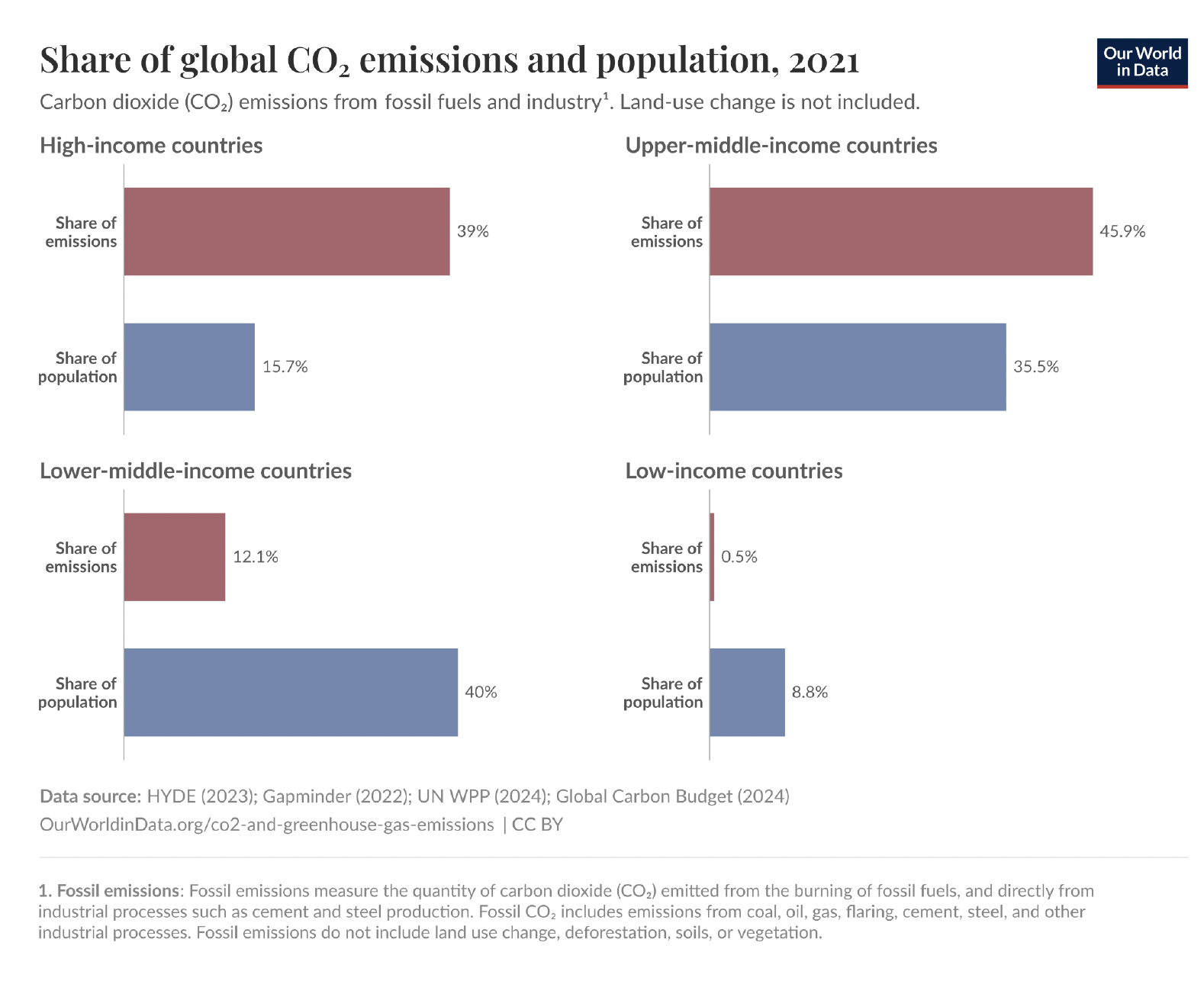
The 2024 United Nations Climate Conference ended on November 22nd in Baku, Azerbaijan with a promise for upper income countries to send $300 billion in climate response funds a year to low-income countries. According to projections from a November 4th UN trade and development committee report, developing countries would require $1.1 trillion in climate financing by 2025. Even though this new $300 billion figure marks an increase from the 100 billion dollars target set in 2009, many poorer countries condemned the measure as inadequate to address the crisis of climate change. Marshall Islands Climate Envoy Tina Stege said, “We are leaving with a small portion of the funding climate-vulnerable countries urgently need.”
During the summit, Donald Trump’s inauguration and immediate withdrawal from the Paris Agreement cast a shadow over the fundraising goals of COP29 because other high income countries reasonably expected Trump’s administration to refuse any payments towards the UN’s goal. Recently, Top US Climate Scientists have missed UN panels, raising concerns of how Trump’s mass firings will influence US presence in fighting climate change.
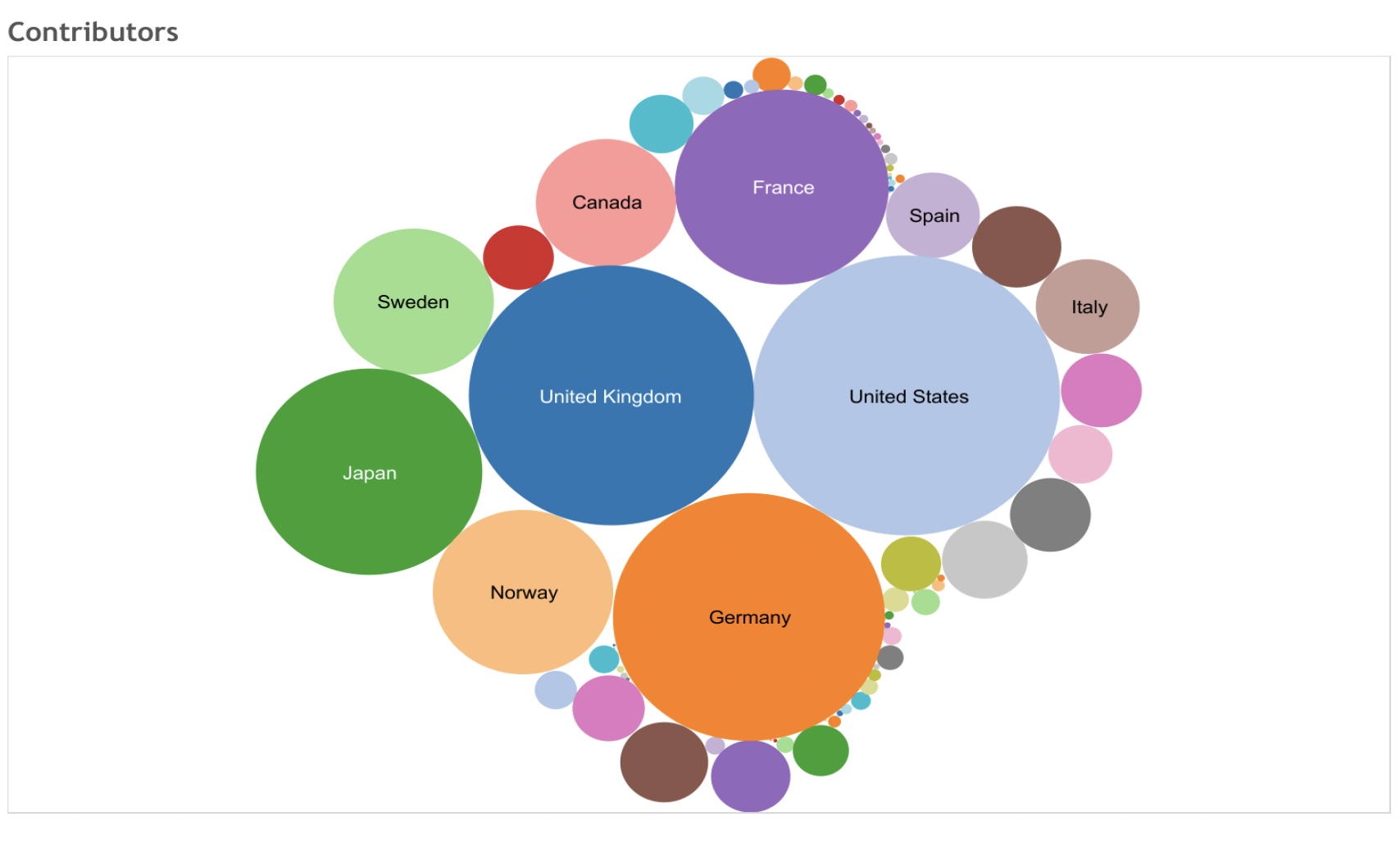
Figure 1.2: Climate finance contributions by country: climatefundsupdate.org
https://climatefundsupdate.org/data-dashboard/#1541245664327-538690dc-b9a8
During COP 29, wealthy nations sought to channel funds from both public and private sources to achieve $300 billion in annual climate funding by 2035, but the aftermath of the conference leaves tremendous uncertainty of whether low income countries will receive necessary funding to fight off the worst impacts of climate change in the short and medium terms. Such a precarious arrangement necessitates thorough evaluation of how our current system of climate financing distributes cost and risk.
Carbon offsets are a major new part of climate finance and one which was relevant to the decisions from COP29. Carbon credits are bought and sold by countries, companies, and individuals, where the party releasing emissions pays another party for reducing carbon. Article 6 of the Paris Agreement formally recognizes carbon markets under the UN and provides guidelines for how governments might regulate them. Crucially, these agreements don’t provide concrete oversight or regulation for how these transactions are conducted, leaving corporations unaccountable for the truthfulness of their sustainability claims.
Offset projects are measured by how many tonnes of carbon are either removed or prevented from entering the atmosphere. Common projects are renewable energy, waste management, and forest reducing emissions from deforestation and forest degradation (REDD+). The latter, forest conservation initiatives, are the most prevalent form of offset project, and they are also the hardest to measure. It is impossible to determine the difference in forest cover because of a particular offset purchase and initiative (West et al. 1), and unlike other projects, forests will repopulate and consume carbon dioxide without outside intervention. It is for this reason that (REDD+) deserves particular attention to understand the dynamics and effectiveness of the carbon offset market as a whole.
Corporate claims regarding climate neutrality are often intentionally vague and avoid long term commitments for sustainability. When corporations use carbon offsets to claim neutrality, they are marking their current products as carbon neutral, even though projects such as REDD+ take hundreds of years to absorb the carbon which firms currently emit (Trowloon et al., Hanieh). There is a substantial concern that carbon credit brokers could overrepresent the impact of emission reduction projects. Thalis et al. found out of 26 REDD+ they examined, only 8 had substantially reduced deforestation compared to control groups. Lack of oversight creates an incentive structure where the efficient sale of carbon credits often corrupts the integrity of projects’ emissions reduction.
Carbon Brief's compilation found that 70 percent of REDD+ initiatives had negative impacts on indigenous communities, with the largest portion in Latin America. As was discussed in COP 29, indigenous communities play a crucial role in environmental stewardship. 45% of the remaining Amazon is composed of indigenous territory, and all across the global south, poorly regulated REDD+ projects threaten the guardianship indigenous people have practiced. A project named CIMA initiated a REDD+ project in the Peruvian Amazon where members of the Kichwa tribe traditionally hunted. After its establishment, park authorities disrupted Kichwa villages, agriculture, and hunting, and the AP found in 2023 that the CIMA sold 28 million carbon credits sold to companies like Shell and TotalEnergies based on an overestimation of their net impact on deforestation; average canopy loss more than doubled from the years before the project’s foundation. Aside from falling short of carbon reduction goals, such projects perpetuate colonial power dynamics because they derive value from indigenous lands and assume control over their maintenance.
Countries and state owned enterprises are also able to purchase offsets, and they can use them to reduce their emissions to align with goals they have set. For this reason, many gulf states have incorporated offsetting into their short emission reduction plans, and the UAE has announced plans to invest $450 million in African based offsets. In 2022, Ahmed Dalmook Al Maktoum from the ruling family of Dubai announced the launch of Blue Carbon with the goal of investment in natural emissions reduction.
In 2023, Blue Carbon secured a deal with Zimbabwe to lease 10% of its total land for carbon credits. This followed a recent amendment to the country’s carbon law which permitted projects where developers keep up to 70% of profits. Blue Carbon has several memoranda for similar deals in countries including Tanzania, Zambia, and Kenya for a total of 60 million acres under management. While the distribution of sales revenue between the projects and the host countries varies from case to case, countries with high climate vulnerability are often forced to accept small fractions of revenue in order to remain competitive. Without international policy to govern these projects, poorer countries lack negotiating leverage to draw further value from developments on their land. On a local level, these new projects jeopardize indigenous rights without meaningful evidence that they reduce emissions at the same level of other mitigation techniques. Blue Carbon’s association with the fossil fuel industry is problematic because the power imbalance between the developer and host country allows for it and similar initiatives to retain a large portion of the offset revenue, effectively discounting the offset for the buyer.
The financialization of carbon reduction through carbon credits allows for companies to market abstract and often inefficacious emissions reductions without regulation. The model under which REDD+ initiatives operate allows Western Multinationals and the fossil fuel industry to extend financial control over crucial natural resources in regions which have historically generated much of their wealth. Under such a model, the difference between deforestation and climate offsetting is only between cost of goods sold and marketing expense. If enough firms follow Shell in shifting their marketing strategy away from climate neutrality, how certainly will the Peruvian Amazon gracefully return to the care of the Kichwa? If the US pulls out of the Paris Agreement once again, how likely are other large emitters like the Gulf states to scale down their already dubious offset plans? The existing system for carbon offsets provides little security for the protection of earth’s most vital sources of climate mitigation and insufficient incentive to develop the needed amount of additional climate mitigation. With the majority of all human-caused carbon emissions released in the last 30 years, the potential of institutions like the carbon market ought to be viewed in light of the historical beneficiaries and victims of neoliberal development economics. It is one of many market based “solutions” which fail to distribute resources for the short and medium term impacts of the climate crisis, leaving global south populations which already struggled under global wealth inequality and the legacy of imperialism vulnerable to rapid climate change. In this way, carbon offset projects can actually exert neocolonial control over the areas they are purporting to help by exporting control of land and natural resources to wealthy nations and multinationals, often at the expense of indigenous rights.
Direct private sector investment has been cited as a necessary component of climate financing, and the UN’s goal of 1.3 trillion in climate finance is contingent on a massive shift in that direction. The example of rainforest carbon offsets demonstrates the need for examining climate financing beyond the dollar value, and in particular, the difference between Climate Mitigation and Adaptation is of particular importance in understanding the allocation of climate funding. Climate mitigation is the practice of reducing further carbon emission into the atmosphere, including projects such as renewable energy and carbon sequestration. Climate adaptation seeks to equip communities with the infrastructure needed to resist the physical impacts of environmental degradation. Developing countries are the primary recipients of adaptation, and they don’t receive enough investment to cover their approximate financial need of $387 billion annually. Only $63 billion, or five percent of global climate financing goes into adaptation, and this 11 digit deficit underlies a perverse incentive structure for distributing climate funds. Since enterprises like green tech and sustainable energy are perceived as safer and more profitable than projects to help communities in dire need, climate adaptation often goes chronically underfunded.
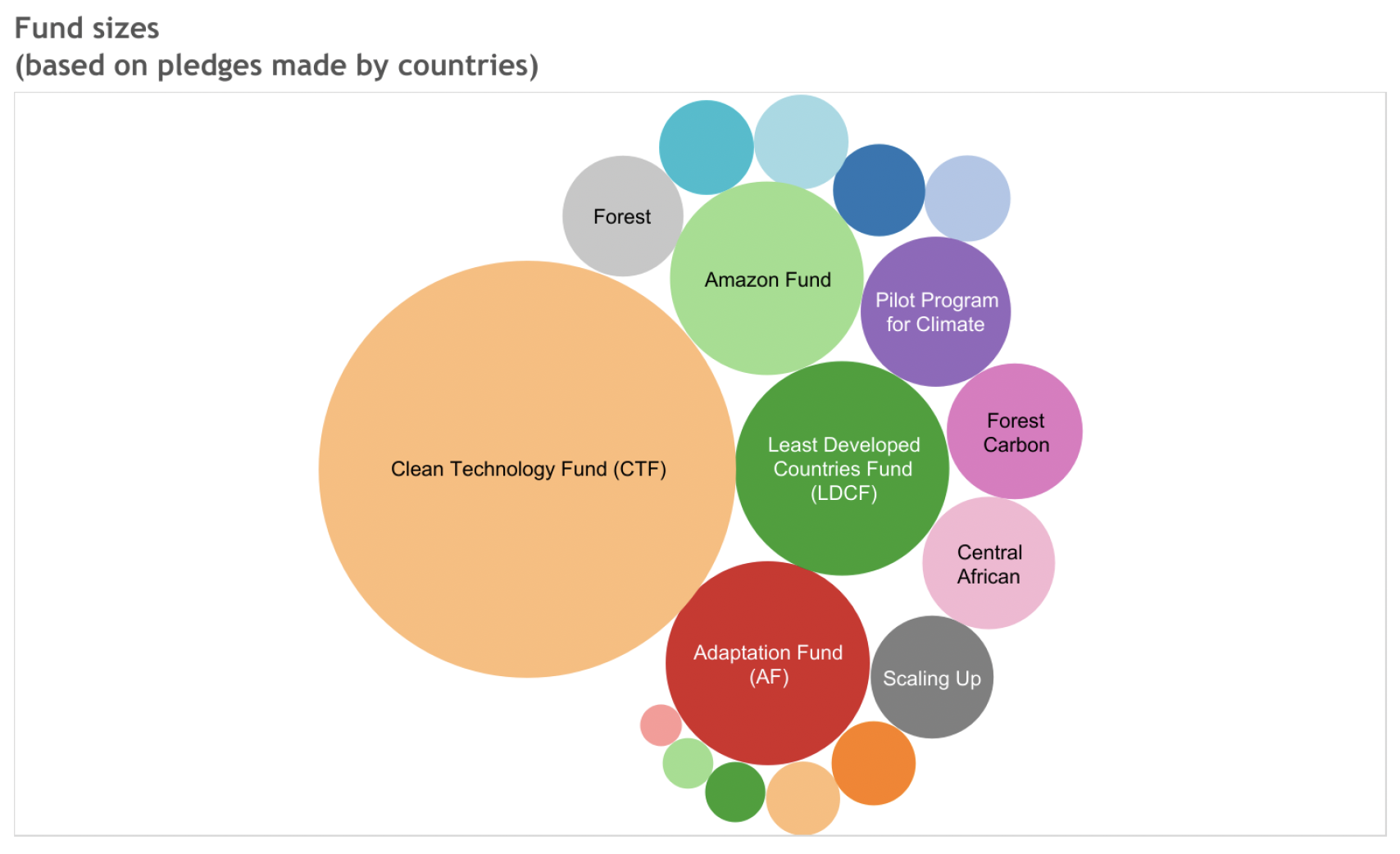
Figure 3 Source: https://climatefundsupdate.org/data-dashboard/
One central problem of adaptation finance is that the material and climate conditions which destabilize communities also tend to deter investment. Despite their generally lower need, urban areas are far more likely to receive adaptation finance than rural areas because they have more influence to attract investors (Venner et al. 51). Geographic biases of this kind contribute to additional barriers for vulnerable communities to receive what little adaptation funding is available.
Adaptation in particular is often financed by debt, which creates a sharp financial burden for those countries and governments already struggling to provide for their citizenry. In 2016-2020, 62% of adaptation was financed through debt, and Sub-Saharan Africa’s debt totaled 700 billion dollars in 2020 (Centre for Science and Environment, 8), paying 18 times more in debt repayments than received from climate finance. Only ten percent of total funding in that period were grants. In this way, debt based climate finance can actually impoverish the countries it intends to help, and there are no specific clarifications in the Paris agreement for the form climate financing should take (Venner, 49). Much of the US’s contributions to climate financing is debt issued at market value (Center for Science and the environment, 3), and even though they have contributed only 14% of Africa’s total climate funding, Western Financial institutions hold most of the outstanding debt, three times more than China. The crisis of funding for adaptation finance reveals how global wealth inequality and colonial power imbalances continue. Affected countries lack all negotiating leverage, and private investors are allowed to prioritize their own financial risk over the risk of immediate environmental and communal destruction.
Under this dynamic, Western investors can generate returns from climate vulnerability without incurring opportunity cost and without any liability for the financial and material outcomes of the countries they loan to. Even firms like Altérra, which holds the title of the largest climate investment fund and which raised more than a third of climate finance in COP28, are not wholly devoted to sustainable investment. Owned by a member of the ruling Nahyan family of the UAE, Altérra is partnered with BlackRock and invested in its Global Infrastructure Fund IV, which recently acquired a portion of the 475 km Portland Natural Gas Pipeline. It is in this way that asset managers are truly neutral on the issue of carbon and adaptation, and they are unwilling to incur additional risk purely to support the most vulnerable populations around the world. The fossil fuel industry has no financial liability for the impact of their operations on stakeholders around the world and outsources the real cost of their actions.
For this reason, the majority of climate finance historically has come from the public sector and multilateral development institutions. For example, in 2022, the world bank provided 56 percent of all climate funds, $31 billion in total (Center for Science and the Environment, 4). It provides loans below commercial rates to middle income countries and acts as a lender of last resort to provide interest free loans to the poorest countries. In Bangladesh, the World Bank supported building storm shelters which also function as schools, and such systems for disaster management have helped soften the impact of cyclones.
While these reduced interest rates can limit the risk of debt crises, the world bank is able to offer bonds of this kind because of subsidy and investment by its member states. The US holds the largest share of 16.64% with $52.9 billion in callable capital. For this reason, the below-market bonds that the World Bank offers are a function of taxpayer money from member states. Because asset managers and fossil fuel conglomerates refuse to sacrifice profits to pay the real costs of climate change, a portion of that cost is socialized in high-income countries through donor contributions. As we have seen with the recent elimination of USAID, there is no enforcement mechanism to ensure the flow of adaptation finance where it is needed most. The tragedy of COP29 and existing climate finance infrastructure lies not only in the shameful failure of Western countries to meet the occasion, but the structural injustice that nations and corporations responsible for emissions have no real stake or responsibility for the material suffering they have caused around the world.
Climate Risk and Insurance
Western Nations’ hesitancy to commit to climate contributions would seem to suggest that people in high-income countries have yet to experience quality of life changes that would spur urgency. Even though Americans aren’t generally driven to relocate because of the material impacts of climate change, accelerating natural disasters are bringing Americans into closer contact with the impacts of climate change. According to a report from Insuring Our Future, at least 30% of weather-related insurance claims filed in the past 20 years were caused by climate change. These claims resulted in payments over $600 billion dollars, bringing climate related losses up to $10.6 billion for top insurance companies. This rapidly increasing cost is fast approaching the total direct premiums that the same firms received from fossil fuel. The insurance industry has continued to underwrite fossil fuel investments, and even though they contribute financially to worsening the environment, they use strategies such as premium hikes, denying coverage, and reinsurance to mitigate their losses. As insurance companies come to terms with the increased risk of climate-fueled disasters, average American Citizens will inherit a major chunk of the cost.
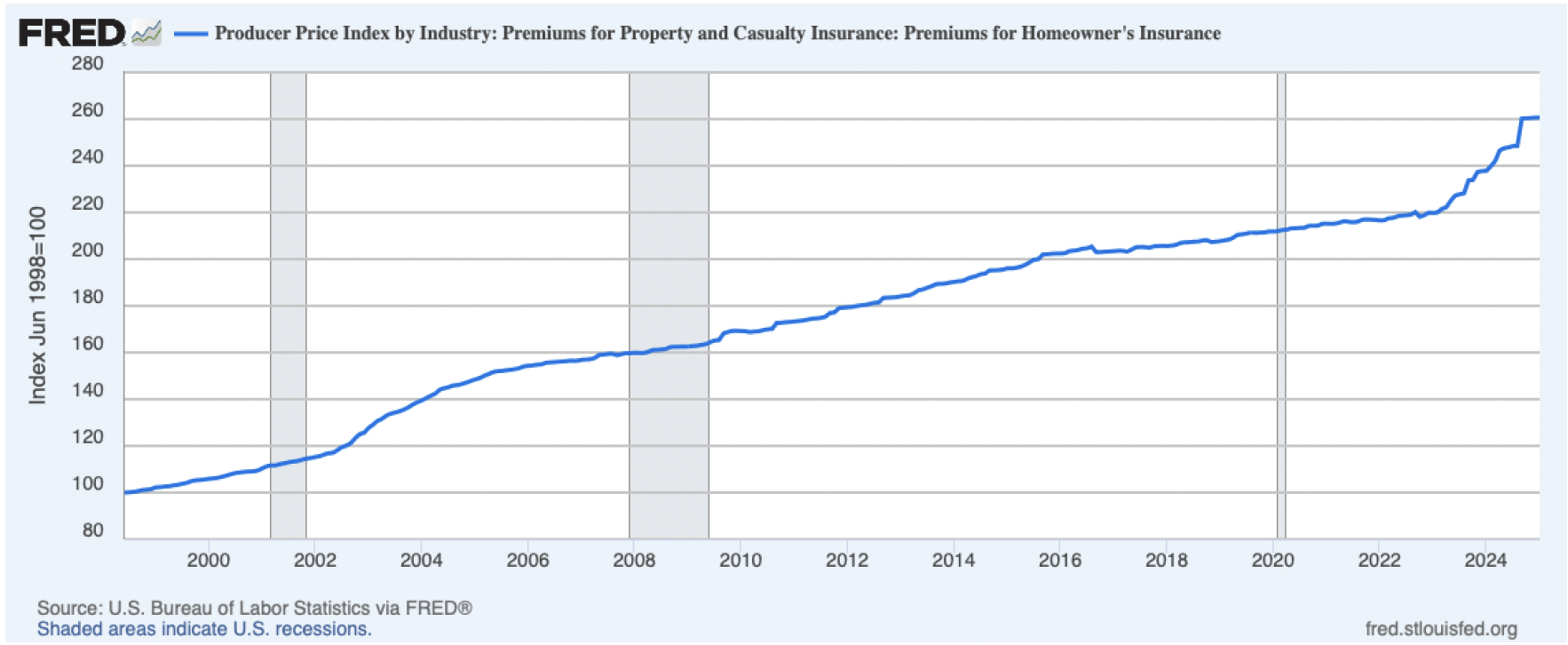
In 2024, Hurricanes Helen and Milton resulted in combined losses of over $80 billion, and in recent years, the insurance industry instituted a number of structural changes to maintain their profitability. Average homeowner’s insurance quotes decreased to .77 in 2023 as a result of environmental concerns, while premiums have drastically outpaced growth in coverage. Since the 1990s, insurance has served as a barometer for the risk of climate related disaster (Collier et al. 3). The recent rise in insurance premiums marks a paradigm shift for how climate is priced into Americans’ lives. In his 1992 work, Risk Society, German Sociologist Ulrick Beck introduced the theories of first and second modernity to compare the traditional landscape of insurance and financialized risk to a society where risk is not predictable. Since the insurance industry is built off of the consistent predictability of costly events in people’s lives, permanently increasing rates of natural disaster fundamentally alters the offerings that insurance companies can provide profitably. The insurance industry is responsible for distributing some of the cost of climate change, increasing premiums and decreasing coverage in this way represents an assignment of general responsibility for disasters to their policyholders (Collier et al. 10). In the same way that asset managers are unwilling to incur additional risk or cost in order to concentrate on sustainable investment, insurance firms have failed to maintain the level of coverage that millions of Americans in climate vulnerable areas have relied on.
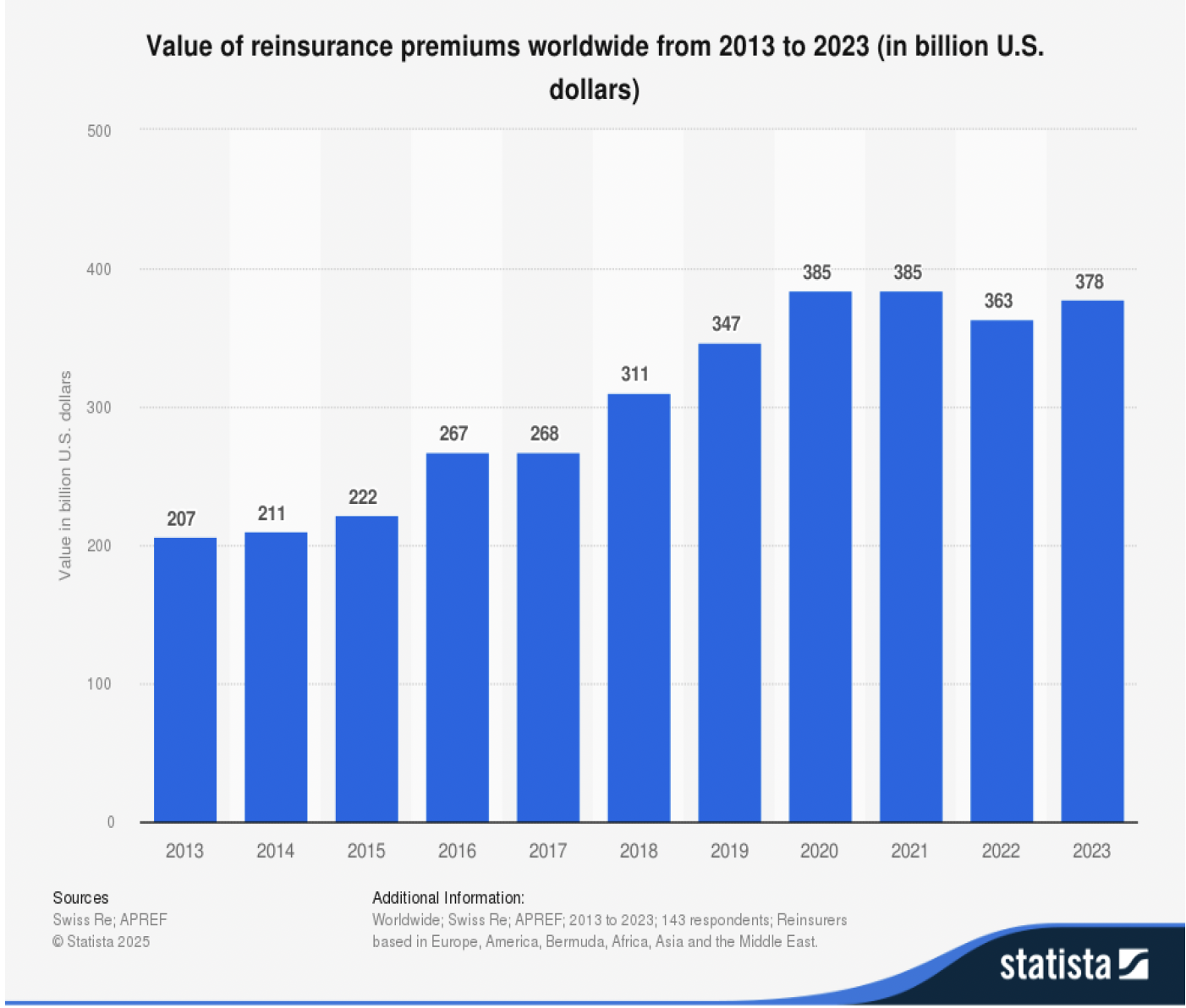
Reinsurance’s reaction to climate accounts is an essential aspect of rising insurance costs. Since reinsurance firms provide coverage for insurance companies when they incur massive payable claims, increasingly frequent natural disasters prompt reinsurers to raise their premiums accordingly. Keys et al. estimate that two-thirds of premium increases occur because of exposure to reinsurance, and even among areas with high disaster risk, zip codes with higher exposure to reinsurance experienced the sharpest increase (Keys et al. 3-4).
The insurance crisis and rising premiums are contributing to sharp decline in the value of Florida homes with high exposure to hurricanes and flooding. While Americans are generally better equipped than many in the global south to deal directly with environmental degradation, the combined financial cost of an insurance crisis and falling home value is impacting the lives of millions in climate vulnerable areas. Homeowners are also significantly more likely to default on mortgages in climate affected areas with insurance insolvency (Ge et al. 6).
Aside from the risk of increased payouts, Florida’s state guidelines limit private insurance in how much they can raise premiums each year. In Florida, many of the largest insurance companies are cutting policies for huge portions of their customer base. New regulations from Progressive in 2024 and from Farmers Insurance each cut about 100,000 policies, representing 50% and 30% of the firms’ Florida customer base, respectively.
Citizens Property insurance was created in 2002 as a state-run non-profit insurance fund. As a non-profit, Citizens has greater ability to extend coverage during disasters, and it can avoid insolvency by instituting surcharges on their policyholders. Originally founded as an insurer of last resort for Floridians, and it has since grown into the state’s largest home provider, and it plays a central role in distributing the costs of hurricane damage. Its policy holdings peaked in September 2023 with a total of 1.4 million and have since fallen below 1 million. The company is trying to implement a 14% premium increase as part of a larger effort to revert Citizens as an insurer of last resort.
While the hopes of recovery for the Florida insurance market indicate the potential for reciprocal models for insurance, the crippling costs caused by the recent insurance crisis warrant concern how poor social infrastructure can amplify the effects of disaster beyond their physical effects. Institutions like private insurance are not prepared to protect people if climate catastrophe induces a risk landscape similar to the one outlined by Beck’s Second Modernity. In Florida, the public sector alternative was able to provide some temporary relief by offloading costs to Floridians, but all Americans deserve an insurance system less volatile and harmful than the environmental disasters which will continue to affect a larger portion of the country.
Likewise– those living in the most climate vulnerable regions of the world, whose countries suffered impoverishment and exploitation from the colonial and industrial processes which caused the current crisis, encounter even greater costs to adapt to rapidly changing habitats. Market based distributions of climate risk and cost, such as home insurance and the carbon market similarly offload costs from institutions with direct responsibility for pollution and ecological disaster and towards millions of people with little or no direct culpability.
Representation in Fiction
A fundamental obstacle to forming equitable climate policy is imagination. Just as industrial societies historically failed to fully imagine the material impacts of carbon emissions, it is difficult now for our society to fully understand the financialized risk that worsening climate conditions hold. Literature can help us to understand both the material and financial aspects of a changing environment.
Released in 2013, the novel Nathaniel Rich’s Odds Against Tomorrow treads interesting new ground in the nascent genre of climate fiction. It parallels existing systems of insurance and risk consulting to imagine how American society and business might react to a future with cataclysmic climate induced catastrophes.
Rich follows Mitchel Zukor, a disaster-obsessed mathematical genius, as he contends with the possibility of catastrophe in abstract financial terms as a risk consultant, and concretely as he narrowly escapes a category five hurricane which strikes New York and floods Manhattan.
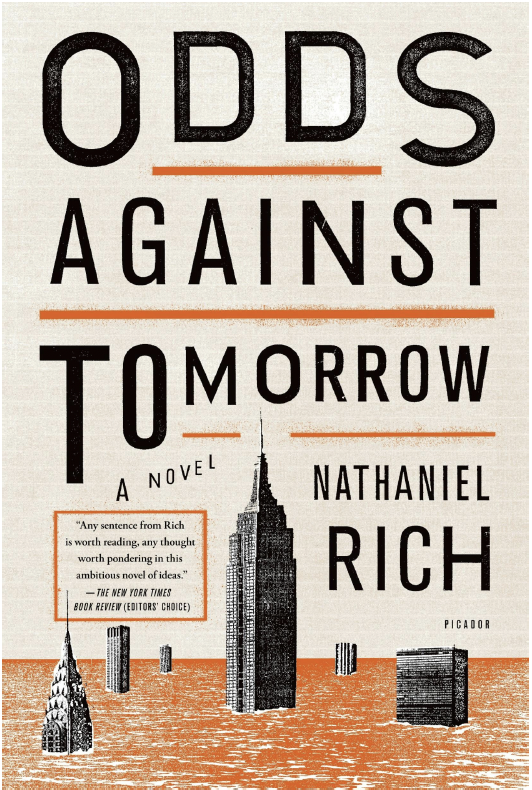
Figure 7
The narrative begins when an earthquake devastates Seattle and poorly built skyscrapers collapse on civilians. Rich focuses on the panic among business leaders when “class action lawsuits (...) alleged that the corporations that held offices in downtown Seattle had needlessly endangered their employees’ lives”(13).
Mitchell, who possesses incredible mathematical abilities and a deep dread for worst case scenarios, comes to work at FutureWorld, a predictive consulting company with the slogan “What will the future cost you?” Rich details their operations to comment on how parts of the financial industry distribute disaster risk. Upon first meeting Mitchell, Charnoble, the founder of FutureWorld, explains a legal loophole which provides immunity for their clients, and he claims, “We protect our clients against risk, and we protect them from lawsuits. The statute protects us. And the good senator from the Twenty Fifth District will not have to worry about fundraising this year”(28). Outside of the specific legal example, FutureWorld represents a power imbalance where corporations are unaccountable for so-called “externalities” that affect the communities they operate in.
After the category 5 Hurricane Tammy floods New York, FutureWorld’s clients profit tremendously from having taken Mitchell’s recommended precautions while thousands of New Yorkers drown in collapsing buildings and in central stations. While the public hails Mitchel as a prophet, Rich uses these unequal outcomes to comment on the unequal access to risk assessment. That experts such as Mitchell worked exclusively with large corporations looking to reduce their potential losses reflects an unsafe risk landscape for working people. In Rich’s story, as in the broad landscape of climate finance, market based systems for risk mitigation syphon the disproportionate financial and human cost to those without the ability to pay. In the aftermath of the hurricane, Rich details the immediate adaptation efforts and emphasizes the class disparity. He writes that while “neighborhoods in the outer boroughs were turning into swamp, the water in lower Manhattan was dropping rapidly”(245). This mirrors the real world problem of unequal adaptation funding for urban and rural areas.
Climate fiction, especially in focusing on effects of economic inequality as Odds Against Tomorrow, illustrates the nature of the risk that future generations may be exposed to around the world if climate conditions continue to worsen, and they can help us to more fully comprehend the true costliness that inefficient systems for climate finance can impose when natural disaster strikes.
Conclusion
In works like Odds Against Tomorrow, we can vaguely comprehend the magnitude of climate disaster if it continues to escalate, but the visions of climate apocalypse appear almost hyperbolic and fantastical to our cultural context. However, in many small island developing states like the Marshall Islands, huge portions of the population have been forced to migrate either internally or externally to find work and safety due to man made climate change. To those indigenous cultures, climate apocalypse is happening now, and here, in the richest nation in the world, vital aid is being cut in the name of “efficiency.” This attitude underlines the central problem with effectively distributing climate finance. The risks and costs incurred by wealthy governments, oil companies, and other multinationals often outweigh their responsibility for amending the climate degradation they caused. The most urgent climate finance, adaptation for communities on the front lines of environmental damage, is generally riskier and less profitable compared to other green tech and mitigation enterprises. If Western Governments do not realize their concrete responsibility to assist communities that they have historically impoverished through imperialism, climate change will inflict brutal damage along the lines of those colonial inequalities.
Works Cited
Centre for Science and Environment. "Climate Finance." COP27: Agenda and Expectations, 2022, pp. 57–70. JSTOR, http://www.jstor.org/stable/resrep44701.7.
Collier, Stephen J., Rebecca Elliott, and Turo-Kimmo Lehtonen. "Climate Change and Insurance." Economy and Society, vol. 50, no. 2, 2021, pp. 158–172, doi:10.1080/03085147.2021.1903771.
Ge, Shiyu, Sarah Johnson, and Noam Tzur-Ilan. "Climate Risk, Insurance Premiums, and the Effects on Mortgages." SSRN, 18 Oct. 2024, doi:10.2139/ssrn.4992281.
Rich, Nathaniel. Odds Against Tomorrow. Farrar, Straus and Giroux, 2013.
Trouwloon, Daniel, Charlotte Streck, Thais Chagas, and Gabriel Martinus. "Understanding the Use of Carbon Credits by Companies: A Review of the Defining Elements of Corporate Climate Claims." Global Challenges, vol. 7, 2023, doi:10.1002/gch2.202200158.
Venner, Krista, Maria García-Lamarca, and Marta Olazabal. "The Multi-Scalar Inequities of Climate Adaptation Finance: A Critical Review." Current Climate Change Reports, 2024, doi:10.1007/s40641-024-00195-7.
West, Thales A. P., et al. "Action Needed to Make Carbon Offsets from Forest Conservation Work for Climate Change Mitigation." Science, vol. 381, 2023, pp. 873–877, doi:10.1126/science.ade3535.
Articles Referenced in Chronological Order
"New Climate Finance Goal on the Horizon: How Can Developing Countries Benefit?" UNCTAD, https://unctad.org/news/new-climate-finance-goal-horizon-how-can-developing-countries-benefit.
“Climate Finance Looks to Plug US-Shaped Hole: Governments Will Look to the Private Sector to Increase Climate Finance as the US Withdraws.” The Banker, www.thebanker.com/content/c932fa25-6c4b-4341-8da8-9afb88793b0c.
“COP29: The Economic Case for a New Common Quantified Goal of Climate Finance (NCQG) at Scale.” E-axes Forum,, e-axes.org/research/cop29-the-economic-case-for-a-new-common-quantified-goal-of-climate-finance-ncqg-at-scale/.
"Wealthy Countries Back Raising COP29 Climate Deal to $300 Billion, Sources Say." Reuters, 23 Nov. 2024, https://www.reuters.com/sustainability/sustainable-finance-reporting/wealthy-countries-back-raising-cop29-climate-deal-300-billion-sources-say-2024-11-23/.
"U.N. Reaches $300 Billion Climate Financing Deal as Trump Waits in the Wings." The Wall Street Journal, https://www.wsj.com/world/u-n-reaches-300-billion-climate-financing-deal-as-trump-waits-in-the-wings-656ed18e.
"Explainer: COP29 Climate Finance Deal." AP News, https://apnews.com/article/climate-cop29-finance-deal-explainer-52d39dd252ffcc4d4b8d1a9a68e375e4.
"Historic Article 6 Decision at COP29: A Reasoned Solution After Much Debate." Environmental Defense Fund, https://www.edf.org/media/historic-article-6-decision-cop29-after-much-debate-reasoned-solution.
Dunne, Daisy, and Yanine Quiroz. "Mapped: The State of Global Carbon Offset Markets in 2023." Carbon Brief, 25 Sept. 2023, https://interactive.carbonbrief.org/carbon-offsets-2023/mapped.html.
"COP29 Adopts Baku Workplan to Elevate Voices of Indigenous Peoples and Local Communities in Climate." UNFCCC, https://unfccc.int/news/cop29-adopts-baku-workplan-to-elevate-voices-of-indigenous-peoples-and-local-communities-in-climate.
"Nearly Half the Amazon’s Intact Forest on Indigenous-Held Lands." Mongabay, https://news.mongabay.com/2021/03/nearly-half-the-amazons-intact-forest-on-indigenous-held-lands-report/.
"Business and Climate in Peru: Forests Under Threat." AP News, https://apnews.com/article/business-peru-forests-climate-and-environment-2c6cddb1707a12c31c14d9a226699068.
"The Climate Finance Racket." The New York Review of Books, https://www.nybooks.com/online/2024/11/11/the-climate-finance-racket/.
"Blue Carbon and Climate Finance in Africa." Trade Arabia, https://www.tradearabia.com/news/OGN_401818.html.
"Dubai Firm Inks $1.5 Billion Carbon Credit Deal with Zimbabwe." Carbon Credits, https://carboncredits.com/dubais-firm-inks-1-5b-carbon-credit-deal-with-zimbabwe/.
"Zimbabwe Allows Developers to Keep More Profits from Carbon Credits." Carbon Credits, https://carboncredits.com/zimbabwe-allows-developers-to-keep-more-profits-from-carbon-credits/.
"Land Grabs for Carbon." The Breakthrough Journal, https://thebreakthrough.org/journal/no-20-spring-2024/land-grabs-for-carbon.
"Shell Silently Abandoned Its $100 Million a Year Plan to Offset CO2 Emissions." Bloomberg, https://www.bloomberg.com/news/features/2023-08-31/shell-silently-abandoned-its-100-million-a-year-plan-to-offset-co2-emissions?sref=T4zDKGrK&embedded-checkout=true.
"More than Half of All CO2 Emissions Since 1751 Emitted in the Last 30 Years." Institute for European Environmental Policy, https://ieep.eu/news/more-than-half-of-all-co2-emissions-since-1751-emitted-in-the-last-30-years/
"COP29 Outcomes and Next Steps." World Resources Institute, https://www.wri.org/insights/cop29-outcomes-next-steps#:~:text=Recognizing%20the%20need%20for%20further,poorest%20and%20most%20vulnerable%20countries.
Adaptation Gap Report 2023. United Nations Environment Programme, https://www.unep.org/resources/adaptation-gap-report-2023.
"Global Landscape of Climate Finance 2024." Climate Policy Initiative, https://www.climatepolicyinitiative.org/publication/global-landscape-of-climate-finance-2024/.
"Raising Ambition: Climate Finance." United Nations, https://www.un.org/en/climatechange/raising-ambition/climate-finance#:~:text=In%202019%2D2020%2C%20over%2060,finance%20was%20only%20$36%20billion.
“UAE’s Alterra Invests in Fund Backing Fossil Gas Despite Climate Solutions Pledge." Climate Change News, https://www.climatechangenews.com/2024/07/24/uaes-alterra-invests-in-fund-backing-fossil-gas-despite-climate-solutions-pledge/.
"Resilient Communities, Stronger Economies." World Bank, https://www.worldbank.org/en/news/immersive-story/2024/10/31/resilient-communities-stronger-economies?intcid=ecr_hp_sidekickA_2024-11-07-AdaptationImmersive#group-section-Development-is-key-to-Adaptation-eVxCnGrMFg.
"Donor Commitments and the Paris Agreement." Congressional Research Service, https://crsreports.congress.gov/product/pdf/IF/IF11361#:~:text=Donor%20Commitments&text=has%20the%20largest%20financial%20commitment,in%20capital%20is%20$3.7%20billion.&text=drawn%20on%20its%20callable%20capital,the%20total%20($60%20billion).
"Is Climate Change Increasing the Risk of Disasters?" World Wildlife Fund, https://www.worldwildlife.org/stories/is-climate-change-increasing-the-risk-of-disasters.
"Scorecard 2024: Insurers' Climate Losses." Global Insure Our Future, https://global.insure-our-future.com/scorecard-2024-insurers-climate-losses/.
"Hurricane Milton’s Losses of $80 Billion Rank as One of the Largest in U.S. History." CNN, https://www.cnn.com/2024/10/17/business/hurricane-milton-losses/index.html#:~:text=Hurricane%20Milton's%20losses%20of%20up,in%20US%20history%20%7C%20CNN%20Business.
"Mid-Year Home Insurance Trends 2024." Matic, https://matic.com/blog/mid-year-home-insurance-trends-2024/#:~:text=It's%20reported%20that%202023%20saw%2028%20billion%2Ddollar,surpassing%20the%20previous%20record%20set%20in%202020.
"Property Insurance and Disaster Risk." Insurance Business Magazine, https://www.insurancebusinessmag.com/us/news/property/progressive-issues-nonrenewal-notices-in-florida-482967.aspx.
"Florida Homeowners Insurance Market Shows Signs of Recovery." Insurance Business Magazine, https://www.insurancebusinessmag.com/us/news/property/florida-homeowners-insurance-market-shows-signs-of-recovery-513363.aspx.
"Farmers Insurance Leaving Florida Market." Pensacola News Journal, https://www.pnj.com/story/money/2023/07/11/farmers-insurance-leaving-florida-market/70403832007/.
"Policies in Force." Citizens Property Insurance, https://www.citizensfla.com/policies-in-force.
"Over 400,000 Moved Off Citizens Property Insurance as Take-Outs Continue." ABC Action News, https://www.abcactionnews.com/news/region-pasco/over-400-000-moved-off-citizens-property-insurance-as-take-outs-continue.
"State Approves Citizens Insurance 14% Rate Hike." ABC Action News, https://www.abcactionnews.com/news/region-hillsborough/have-some-mercy-will-state-approve-citizens-insurance-14-rate-hike#:~:text=According%20to%20the%20rate%20hike,of%20its%201.2%20million%20policyholders.
“The World's First Climate Change Refugees.” CNN, www.cnn.com/2021/07/08/us/pacific-islands-climate-change-refugees/index.html.